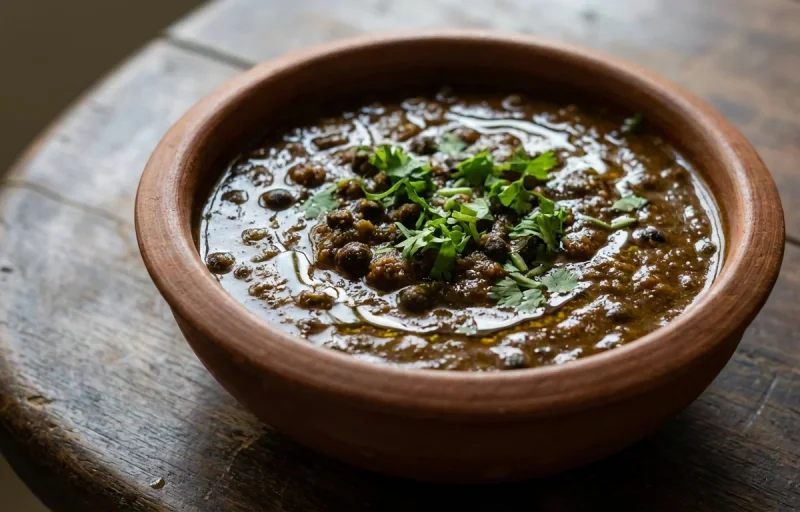
Vegetable1 recipes
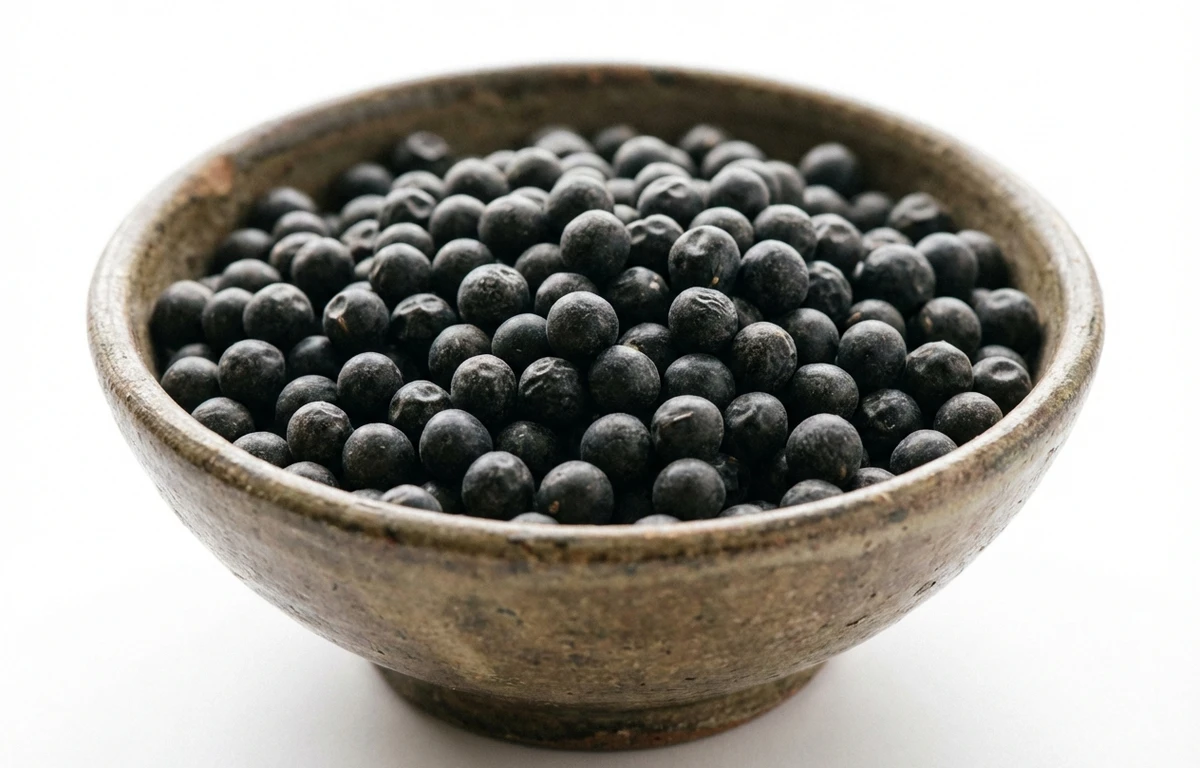
black peas.
VegetarianVeganGluten-freeDairy-freeNut-freePeanut-freeSoy-freeEgg-freeShellfish-freeHoney-freeAlcohol-free
ALSO KNOWN AS
kala vatanacarlin peasmaple peaskala matar
SERVING
CALORIES
341
PROTEIN
24.6g
CARBS
60.3g
FAT
1.5g
FIBER
15.3g
NUTRITION PROFILE · per 100 g
Everything in this ingredient.
MACRONUTRIENTS
Calories341kcal—
Protein24.6g49%
Carbohydrates60.3g22%
Fiber15.3g55%
Sugar2.0g4%
Total fat1.5g2%
Saturated fat0.20g1%
Trans fat0g—
Cholesterol0mg0%
Water9.9g—
MINERALS
Sodium10mg0%
Potassium900mg19%
Calcium50mg4%
Iron4.5mg25%
Magnesium184mg44%
Phosphorus424mg34%
Zinc3.4mg30%
Copper0.84mg93%
Manganese0.99mg43%
Selenium8.2µg15%
VITAMINS
Vitamin A0µg0%
Vitamin C1.0mg1%
Vitamin D0µg0%
Vitamin E0.09mg1%
Vitamin K8.2µg7%
Thiamin (B1)0.51mg43%
Riboflavin (B2)0.21mg16%
Niacin (B3)2.1mg13%
Pantothenic acid (B5)0.82mg16%
Vitamin B60.28mg16%
Folate (B9)633µg158%
Vitamin B120µg0%
%DV based on a 2,000 cal diet. Source: USDA FoodData Central. A dash in the %DV column means there’s no established Daily Value for that nutrient.
MEASUREMENT CONVERSIONS
How much is what.
1 cup175g
1 tablespoon11g
1 teaspoon3.5g
1 ml0.7g
1 liter733.3g
HEALTH BENEFITS
Why eat it.
- ✓High in dietary fiber, which supports digestive health and helps regulate blood sugar levels.
- ✓Excellent source of plant-based protein, essential for muscle repair and building body tissues.
- ✓Rich in essential minerals such as iron, manganese, and folate, which are vital for energy production, bone health, and cell growth.
- ✓May contribute to heart health by helping to lower cholesterol levels due to their soluble fiber content.
COOKING TIPS
In the kitchen.
- 1For best results and reduced cooking time, soak dried black peas in cold water for at least 8 hours or overnight before cooking.
- 2Simmer gently in fresh water or broth until tender. Avoid adding salt or acidic ingredients like tomatoes or vinegar until the peas are nearly cooked, as this can make them tough.
- 3Black peas have an earthy flavor that pairs well with smoked meats, onions, garlic, bay leaves, and herbs like thyme and sage.
- 4A traditional way to serve them, particularly in the UK, is boiled until soft and served hot with malt vinegar and salt.
STORAGE
Keep it fresh.
- Store dried black peas in an airtight container in a cool, dark, and dry place, such as a pantry, for up to 12 months.
- Once cooked, store black peas in a sealed container in the refrigerator for up to 5 days or freeze for up to 6 months.
FAQ
Frequently asked questions.
Are black peas healthy?
Yes, black peas are highly nutritious. They are an excellent source of plant-based protein (24.6g per 100g) and dietary fiber, which supports digestive health, regulates blood sugar, and promotes heart health by lowering cholesterol.
How much protein and calories are in black peas?
A 100g serving of dried black peas contains approximately 341 calories and 24.6g of protein. They are also high in complex carbohydrates (60.3g) and very low in fat (1.5g), making them a dense source of energy and nutrients.
Are black peas gluten-free?
Yes, black peas are naturally gluten-free. They are a safe and healthy option for individuals with celiac disease or non-celiac gluten sensitivity looking for a nutrient-dense carbohydrate source.
Are black peas keto-friendly?
No, black peas are generally not considered keto-friendly. With 60.3g of carbohydrates per 100g, they are too high in starch to fit within the strict daily carb limits of a ketogenic diet.
How do you cook dried black peas?
To cook dried black peas, soak them in water overnight to improve digestibility and reduce cooking time. After soaking, drain and boil them in fresh water for 45 to 60 minutes, or until they reach your desired level of tenderness.
What do black peas taste like?
Black peas have a deep, earthy flavor with a slightly nutty undertone. Their texture is firm on the outside but becomes creamy when fully cooked, making them ideal for hearty stews and traditional snacks.
Can I substitute black peas with other legumes?
Yes, you can substitute black peas with black beans, pinto beans, or chickpeas in most recipes. While the flavor will vary slightly, these alternatives provide a similar texture and nutritional profile.
How should I store dried black peas?
Dried black peas should be stored in an airtight container in a cool, dry, and dark location like a pantry. When kept away from moisture and heat, they can last for up to two years without losing significant nutritional value.
Do black peas need to be soaked before cooking?
Soaking is highly recommended for black peas. It helps break down oligosaccharides that can cause digestive discomfort and significantly shortens the boiling time required to make them tender.
What are the specific mineral benefits of black peas?
Black peas are rich in iron, manganese, and folate. These minerals are vital for energy production, maintaining strong bone health, and supporting healthy cell growth and red blood cell formation.
RECIPES
Cook with black peas.
1 recipes · sorted by what’s quick