Loading...

Per 100g
Nutrition data source: USDA FoodData Central
Common measurement equivalents in grams

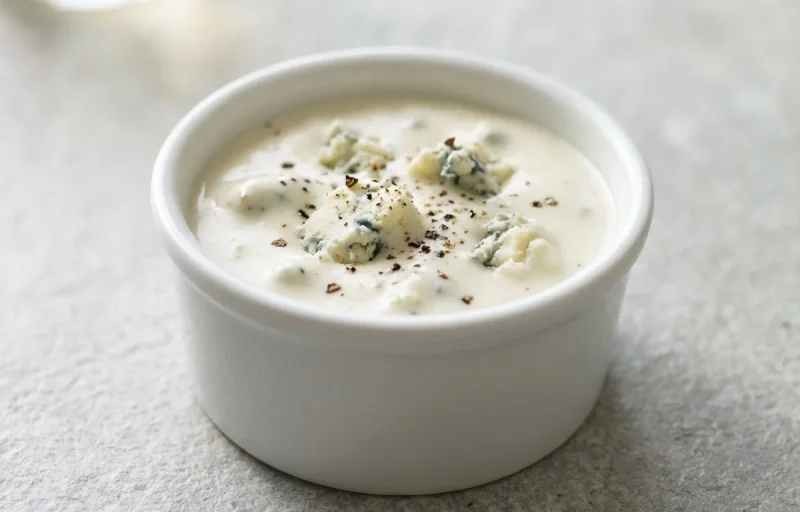
A rich and creamy dressing packed with tangy blue cheese crumbles. Perfect for salads, wings, or as a dip for fresh vegetables. Ready in just 10 minutes!

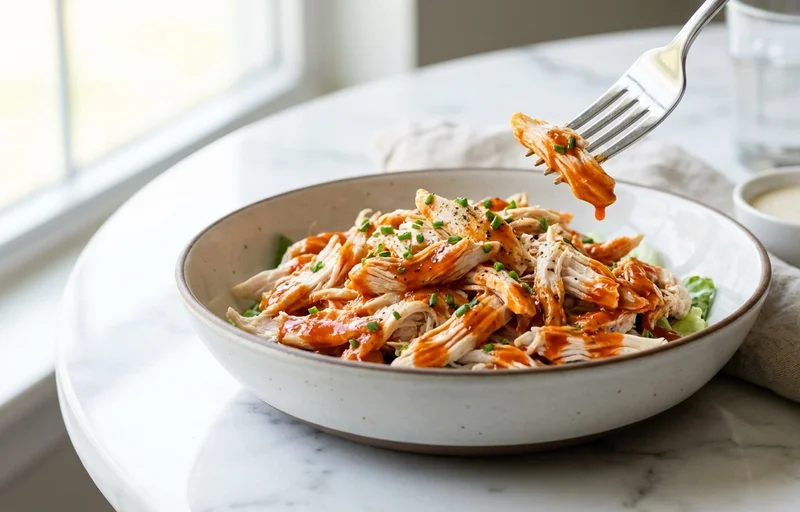
Crispy fried chicken wings tossed in a tangy, spicy butter sauce. This classic American appetizer is a game-day favorite, perfect with a side of blue cheese dressing and celery sticks.
Blue cheese dressing offers some health benefits, including calcium for bone health and Vitamin K2 for cardiovascular support. However, it is very high in calories and fat, so it should be consumed in moderation as part of a balanced diet.
Blue cheese dressing is calorie-dense, containing approximately 484 calories and 51.1g of fat per 100g. Most of the fat content comes from the oil, mayonnaise, and dairy bases used in the recipe.
Yes, blue cheese dressing is excellent for a keto diet. With 51.1g of fat and only 4.77g of carbohydrates per 100g, it fits the high-fat, low-carb macros required for ketosis.
No, traditional blue cheese dressing is not vegan. It contains several animal-derived ingredients, including blue cheese, buttermilk, sour cream, and often egg yolks found in the mayonnaise base.
Most blue cheese dressings are naturally gluten-free, but some commercial brands may use thickeners or flavorings derived from wheat. Always check the ingredient label to ensure there are no hidden gluten sources.
It has a rich, creamy, and thick consistency with a bold, pungent, and salty flavor profile. The dressing is characterized by the distinct tang of fermented blue cheese and the acidity of buttermilk or vinegar.
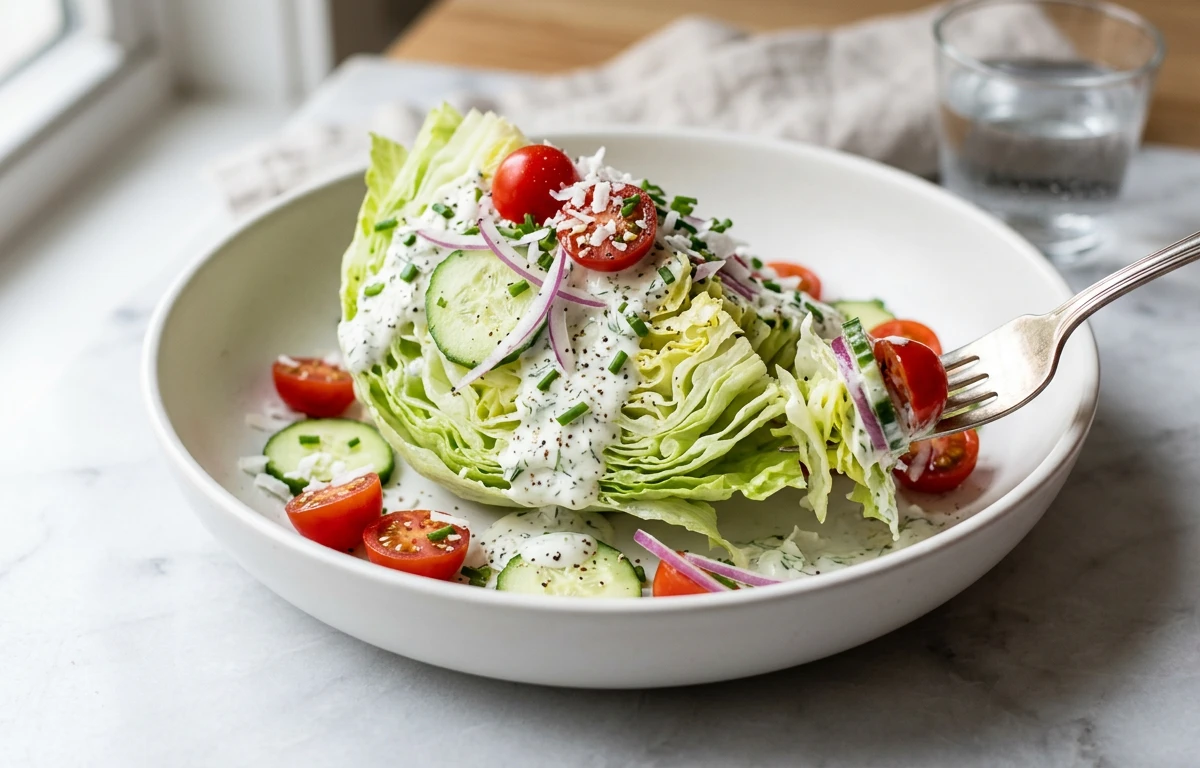
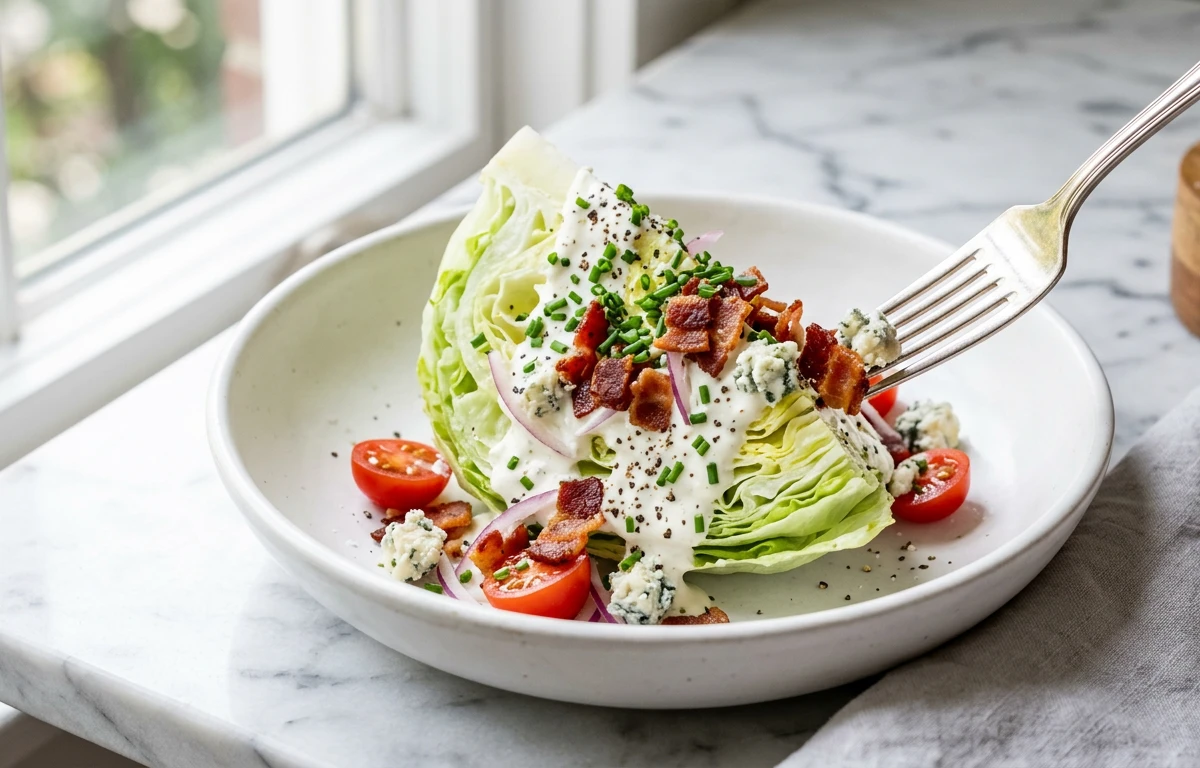
It is most famously used as a dip for buffalo chicken wings and as a dressing for wedge salads. It also works well as a topping for burgers, a dip for fresh vegetables like celery, or a sauce for grilled steaks.
blue cheese dressing is a versatile ingredient found in cuisines around the world. With 484 calories per 100g and 1.37 grams of protein, it's a nutritious addition to many dishes.
Explore more ingredients in the dairy category with complete nutrition information.
View all dairy →Discover 3 recipes featuring blue cheese dressing with step-by-step instructions.
Browse recipes →Opened store-bought dressing typically lasts 1 to 2 months in the refrigerator. Homemade blue cheese dressing has a much shorter shelf life and should be consumed within 5 to 7 days.
Freezing is not recommended for blue cheese dressing. The emulsion of dairy, mayonnaise, and oil will likely separate and become grainy or watery once thawed, significantly altering the texture.
Yes, blue cheese dressing can contain probiotics. These beneficial bacteria come from the fermented blue cheese and buttermilk, which can help support a healthy gut microbiome.