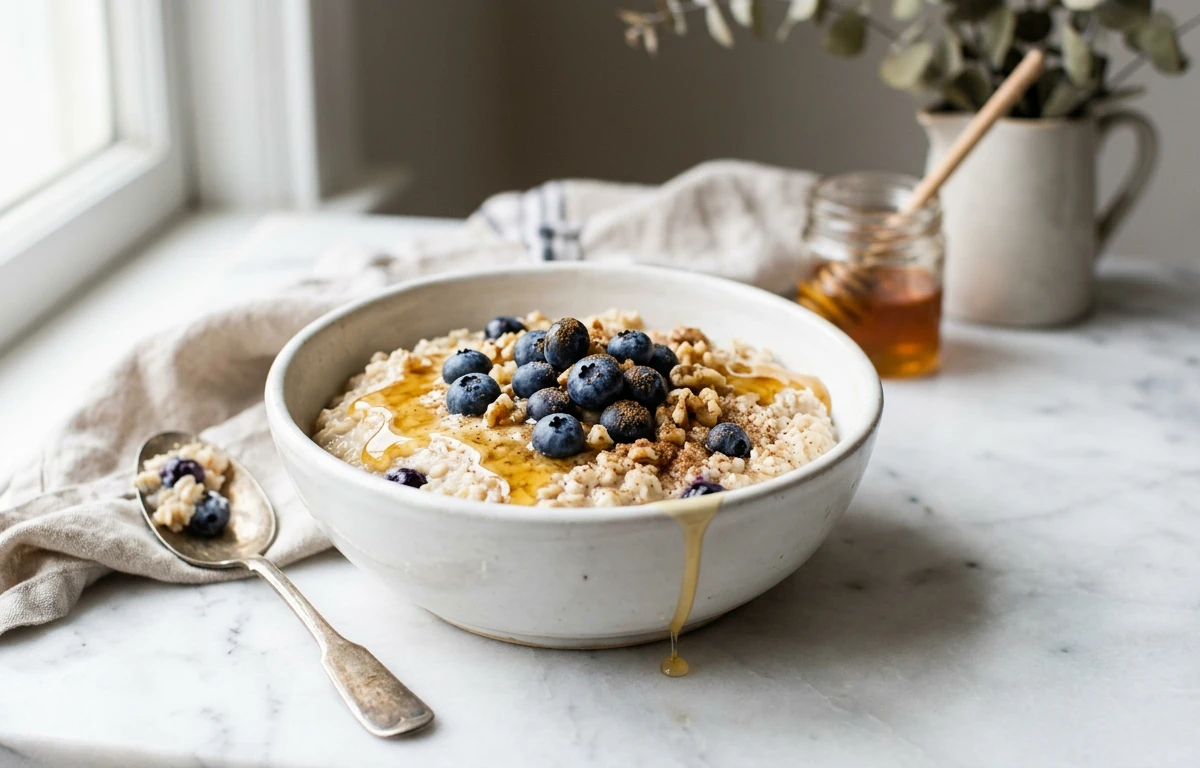
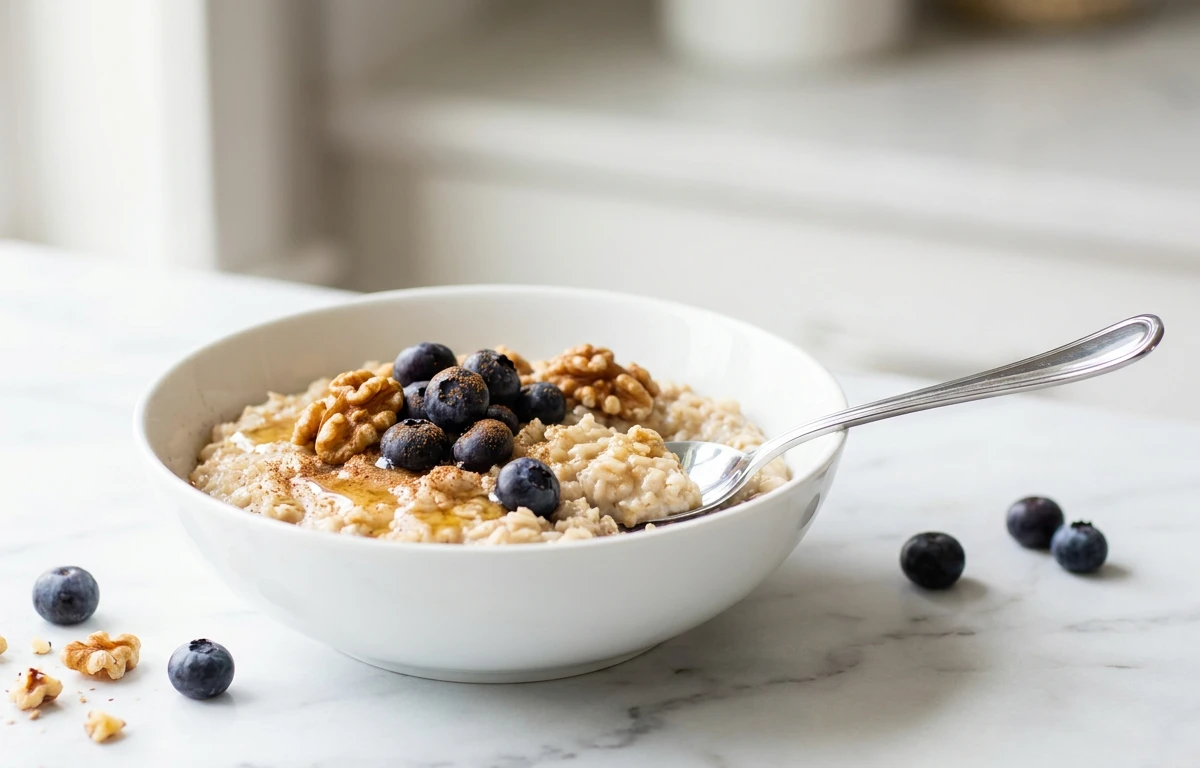
Other10 recipes
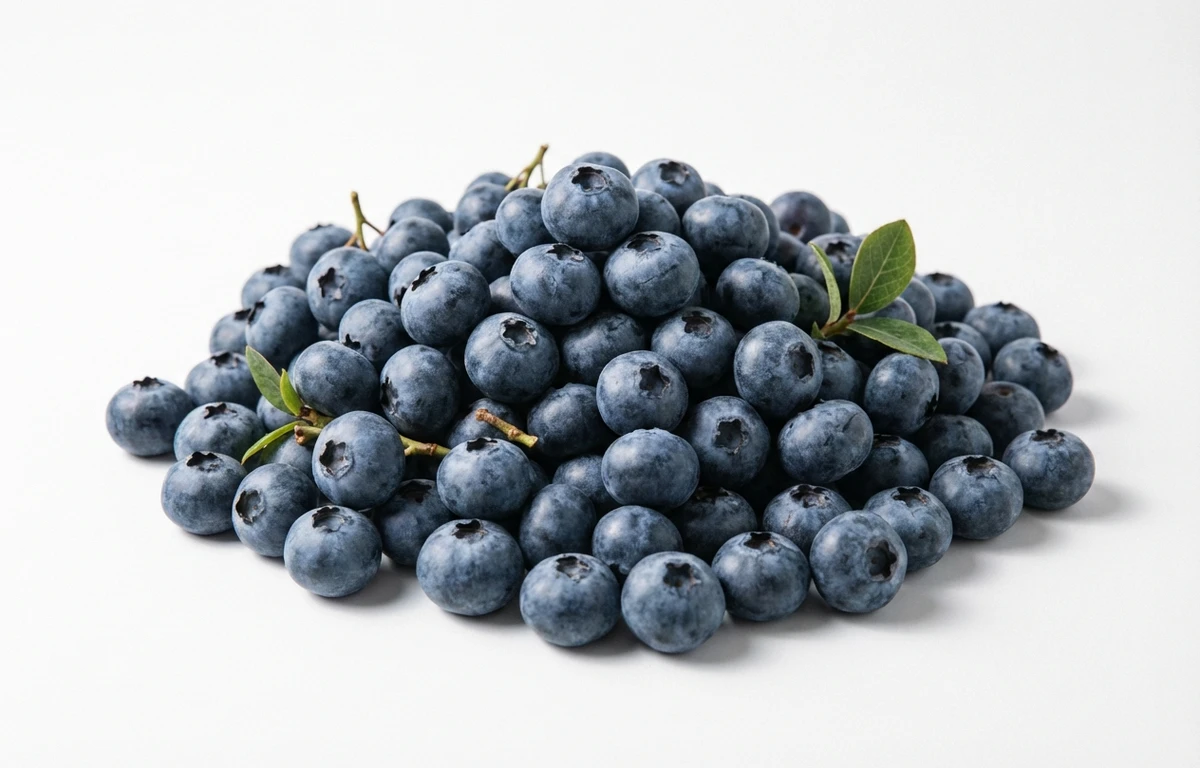
blueberries.
VegetarianVeganGluten-freeDairy-freeNut-freePeanut-freeSoy-freeEgg-freeShellfish-freeHoney-freeAlcohol-free
ALSO KNOWN AS
wild blueberriesblueberriesraw wild blueberries
SERVING
CALORIES
57
PROTEIN
0.74g
CARBS
14.5g
FAT
0.33g
FIBER
2.4g
NUTRITION PROFILE · per 100 g
Everything in this ingredient.
MACRONUTRIENTS
Calories57kcal—
Protein0.74g1%
Carbohydrates14.5g5%
Fiber2.4g9%
Sugar10.0g20%
Total fat0.33g0%
Saturated fat0.03g0%
Trans fat0g—
Cholesterol0mg0%
Water84.2g—
MINERALS
Sodium1.0mg0%
Potassium77mg2%
Calcium6.0mg0%
Iron0.28mg2%
Magnesium6.0mg1%
Phosphorus12mg1%
Zinc0.16mg1%
Copper0.06mg7%
Manganese0.34mg15%
Selenium0.10µg0%
VITAMINS
Vitamin A3.0µg0%
Vitamin C9.7mg11%
Vitamin D0µg0%
Vitamin E0.57mg4%
Vitamin K19.3µg16%
Thiamin (B1)0.04mg3%
Riboflavin (B2)0.04mg3%
Niacin (B3)0.42mg3%
Pantothenic acid (B5)0.12mg2%
Vitamin B60.05mg3%
Folate (B9)6.0µg2%
Vitamin B120µg0%
%DV based on a 2,000 cal diet. Source: USDA FoodData Central. A dash in the %DV column means there’s no established Daily Value for that nutrient.
MEASUREMENT CONVERSIONS
How much is what.
1 cup148g
1 tablespoon9.3g
1 teaspoon3.1g
1 ml0.6g
1 liter616.7g
HEALTH BENEFITS
Why eat it.
- ✓Rich in antioxidants, particularly anthocyanins, which help combat oxidative stress and may reduce the risk of chronic diseases.
- ✓May improve brain function and memory, potentially delaying age-related cognitive decline.
- ✓Supports heart health by helping to lower blood pressure and reduce LDL ('bad') cholesterol levels.
- ✓High in fiber, which aids in digestion, promotes satiety, and helps regulate blood sugar levels.
COOKING TIPS
In the kitchen.
- 1To prevent blueberries from sinking in batters for muffins or cakes, lightly toss them in a small amount of flour before folding them in.
- 2Gently fold blueberries into batters at the last minute to avoid crushing them and turning the batter purple.
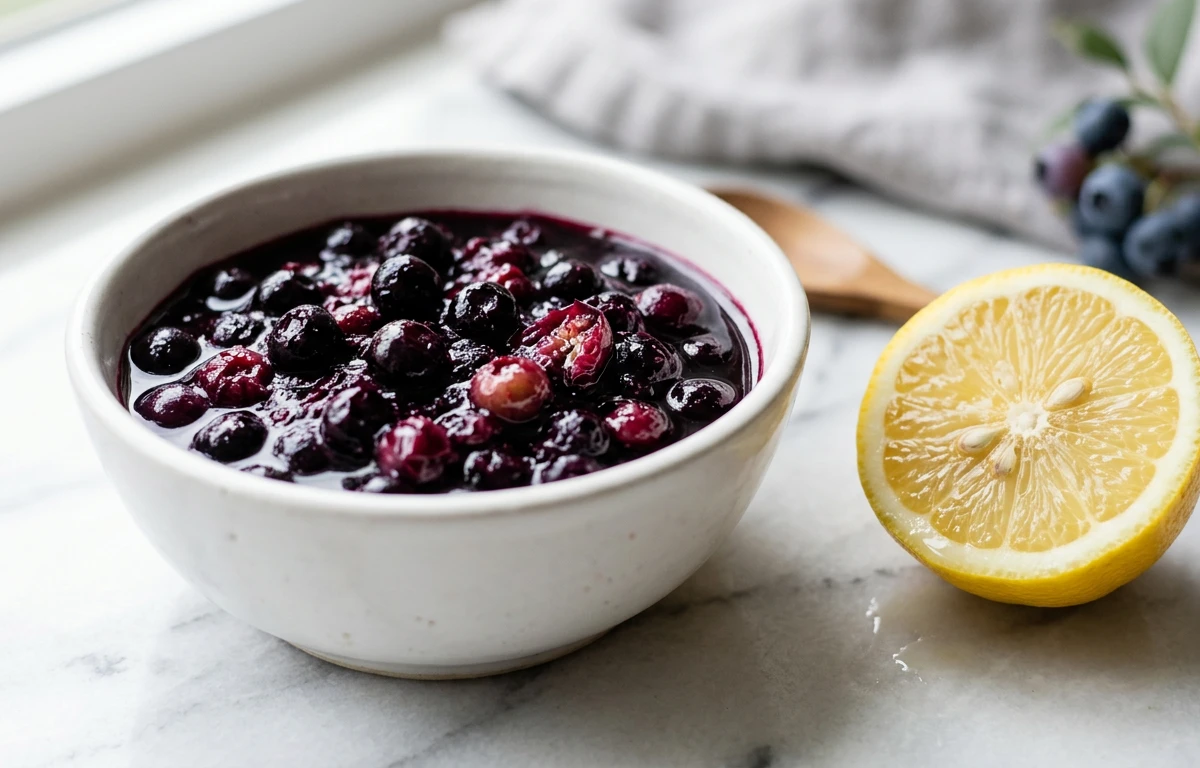
- 3Create a simple compote by simmering blueberries with a little sugar, water, and lemon juice until they burst and the sauce thickens. This is great for topping pancakes, yogurt, or ice cream.
STORAGE
Keep it fresh.
- Store fresh, unwashed blueberries in a breathable container in the refrigerator for 5-10 days. Do not wash until just before eating to prevent premature spoilage.
- For long-term storage, freeze blueberries in a single layer on a baking sheet, then transfer to an airtight bag or container. They can be stored in the freezer for up to a year.
FAQ
Frequently asked questions.
Are blueberries healthy?
Yes, blueberries are highly nutritious and often considered a 'superfood.' They are exceptionally rich in antioxidants called anthocyanins, which help combat oxidative stress and may reduce the risk of chronic diseases like heart disease and cancer.
How many calories and carbs are in blueberries?
A 100g serving of blueberries contains approximately 57 calories and 14.49g of carbohydrates. They are a low-calorie snack that provides about 2.4g of fiber, helping to regulate blood sugar levels.
Are blueberries good for weight loss?
Blueberries are excellent for weight loss because they are low in energy density but high in fiber. The fiber content promotes satiety, helping you feel full longer, which can reduce overall calorie intake.
Are blueberries keto-friendly?
Blueberries can be included in a keto diet in moderation. While they have more carbs than blackberries or raspberries, a small serving (about 1/4 to 1/2 cup) can fit within most daily carb limits for those maintaining ketosis.
Can blueberries improve brain function?
Research suggests that the antioxidants in blueberries may improve brain function and memory. Regular consumption may help delay age-related cognitive decline by protecting the brain from oxidative stress.
How do you store fresh blueberries?
Store fresh blueberries in the refrigerator in a breathable container or a bowl lined with paper towels to absorb moisture. Do not wash them until right before you are ready to eat them, as moisture causes them to mold quickly.
Can I freeze blueberries?
Yes, blueberries freeze very well and retain most of their nutritional value. For best results, wash and dry them completely, then freeze them in a single layer on a tray before transferring them to a freezer-safe bag.
Do I need to wash blueberries before eating?
Yes, you should always rinse blueberries under cold water just before consumption to remove dirt, debris, or potential pesticide residue. Avoid washing them before storage, as this significantly shortens their shelf life.
Can I substitute frozen blueberries for fresh in baking?
Yes, frozen blueberries work well in muffins, pancakes, and cakes. To prevent the juice from bleeding and turning your batter blue, do not thaw them before adding; fold them into the mixture while still frozen.
Are blueberries good for heart health?
Blueberries support heart health by helping to lower blood pressure and reduce LDL ('bad') cholesterol levels. Their high fiber and antioxidant content contribute to better vascular function and reduced inflammation.
RECIPES
Cook with blueberries.
10 recipes · sorted by what’s quick