
Other
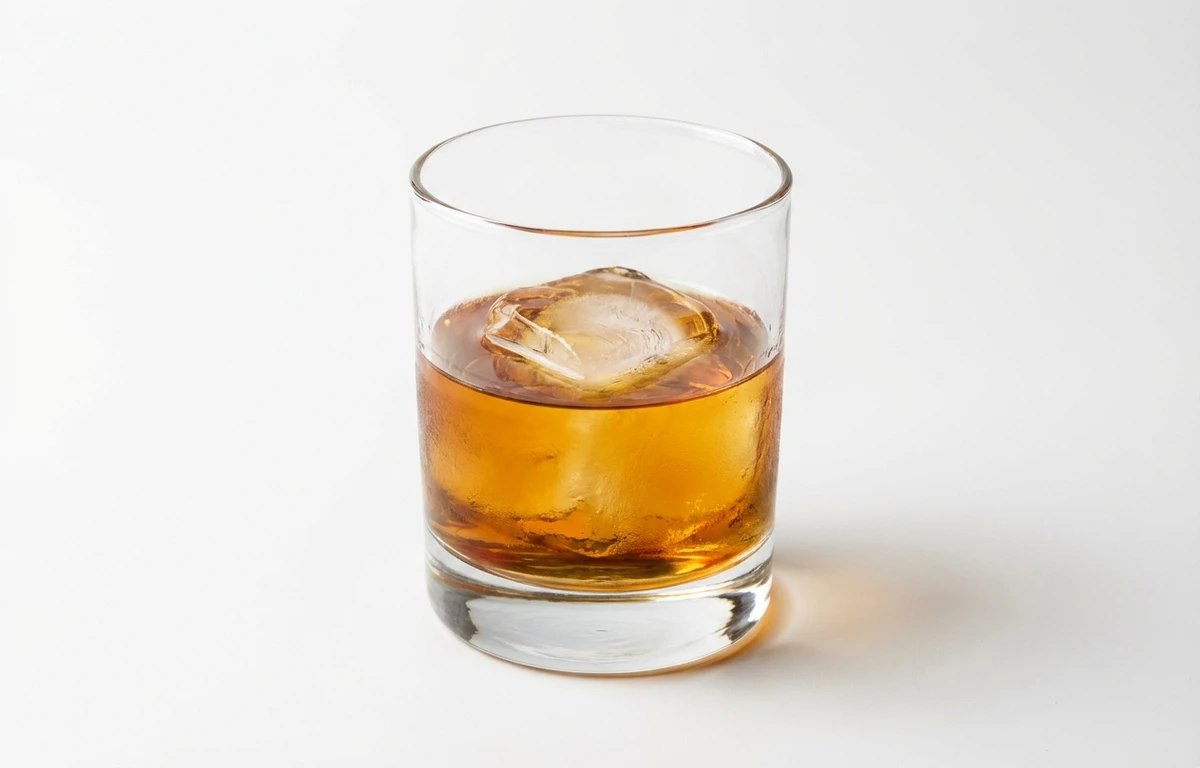
bourbon whiskey.
VegetarianVeganGluten-freeDairy-freeNut-freePeanut-freeSoy-freeEgg-freeShellfish-freeHoney-freeAlcohol-freeHalalKosherFermented
SERVING
CALORIES
250
PROTEIN
0g
CARBS
0g
FAT
0g
FIBER
0g
NUTRITION PROFILE · per 100 g
Everything in this ingredient.
MACRONUTRIENTS
Calories250kcal—
Protein0g0%
Carbohydrates0g0%
Fiber0g0%
Sugar0g0%
Total fat0g0%
Saturated fat0g0%
Trans fat0g—
Cholesterol0mg0%
Water66.6g—
MINERALS
Sodium1.0mg0%
Potassium2.0mg0%
Calcium0mg0%
Iron0.04mg0%
Magnesium0mg0%
Phosphorus4.0mg0%
Zinc0.04mg0%
Copper0.02mg2%
Manganese0.01mg0%
Selenium0.10µg0%
VITAMINS
Vitamin A0µg0%
Vitamin C0mg0%
Vitamin D0µg0%
Vitamin E0mg0%
Vitamin K0µg0%
Thiamin (B1)0mg0%
Riboflavin (B2)0mg0%
Niacin (B3)0mg0%
Pantothenic acid (B5)0mg0%
Vitamin B60mg0%
Folate (B9)0µg0%
Vitamin B120µg0%
%DV based on a 2,000 cal diet. Source: USDA FoodData Central. A dash in the %DV column means there’s no established Daily Value for that nutrient.
MEASUREMENT CONVERSIONS
How much is what.
1 cup225.6g
1 tablespoon14.1g
1 teaspoon4.7g
1 oz28.4g
1 lb453.6g
1 ml0.9g
1 liter940g
HEALTH BENEFITS
Why eat it.
- ✓Contains ellagic acid, an antioxidant that may help absorb rogue cells
- ✓Zero carbohydrates and zero sugar, making it suitable for low-carb diets
- ✓Moderate consumption may help increase HDL (good) cholesterol
- ✓May help reduce stress and promote relaxation when consumed responsibly
- ✓Naturally fat-free and cholesterol-free
COOKING TIPS
In the kitchen.
- 1Use for deglazing pans to incorporate caramelized bits into sauces
- 2Add to marinades for meats to help tenderize and add smoky sweetness
- 3When flambéing, use caution and ensure the pan is removed from the heat source before lighting
STORAGE
Keep it fresh.
- Store upright to prevent the high alcohol content from eroding the cork
- Keep in a cool, dark place away from direct sunlight to prevent oxidation
- Ensure the cap or cork is tightly sealed to prevent evaporation
FAQ
Frequently asked questions.
Does bourbon whiskey contain gluten?
No. Although bourbon is made from grains like corn, rye, and barley, the distillation process removes gluten proteins, making it safe for most people with celiac disease.
How long does an opened bottle of bourbon last?
An opened bottle will stay good for 1 to 2 years if stored properly, though the flavor may begin to change slightly due to oxidation as the bottle empties.
Can bourbon be frozen?
Bourbon will not freeze in a standard home freezer because its high alcohol content (usually 40% ABV or higher) gives it a freezing point around -17°F (-27°C).
What is a good non-alcoholic substitute for bourbon in cooking?
Apple juice, white grape juice, or ginger ale mixed with a drop of vanilla extract can mimic the sweetness and depth of bourbon in recipes.
What makes a whiskey a 'bourbon'?
To be classified as bourbon, it must be produced in the USA, made from at least 51% corn, and aged in new, charred oak containers.
Does bourbon contain sugar?
Standard straight bourbon contains zero sugar. Any sweetness perceived comes from the corn mash and the vanillins extracted from the charred oak barrels during aging.
How should I choose a bourbon for cooking?
Choose a bourbon you would enjoy drinking. A mid-range 'straight bourbon' is usually best for cooking as it provides consistent flavor without the high price of premium bottles.
Does the alcohol completely cook out of bourbon?
No. Depending on the cooking method and time, anywhere from 5% to 85% of the alcohol may remain in the finished dish.



















