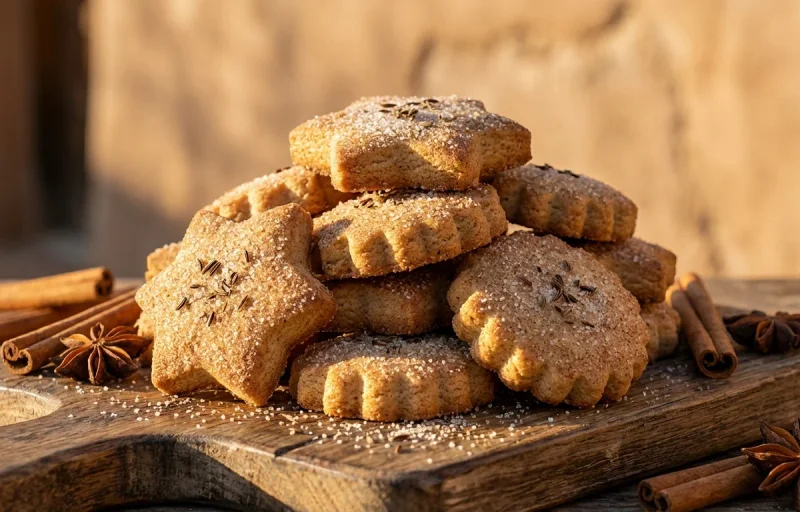
Other3 recipes
brandy.
VegetarianVeganGluten-freeDairy-freeNut-freePeanut-freeSoy-freeEgg-freeShellfish-freeHoney-freeAlcohol-freeHalalKosherFermented
ALSO KNOWN AS
brandy liquor
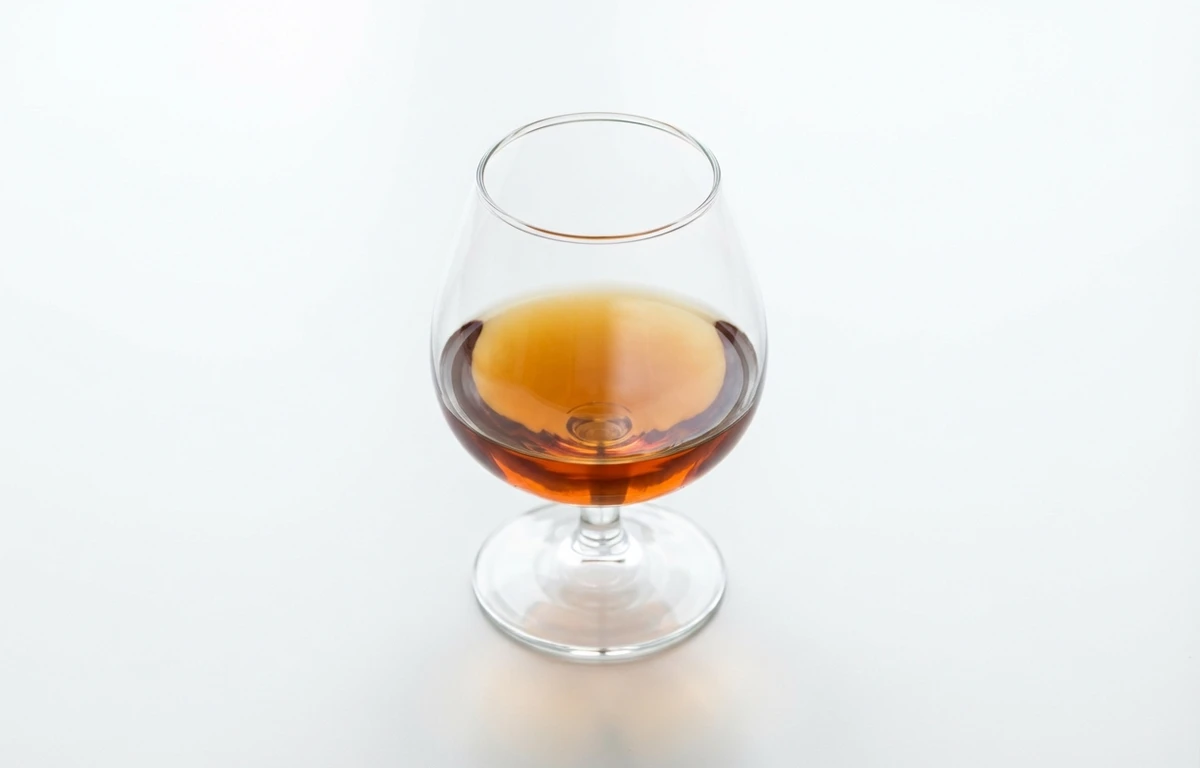
SERVING
CALORIES
231
PROTEIN
0g
CARBS
0g
FAT
0g
FIBER
0g
This ingredient is flagged as naturally gluten-free. Per 100 g, it provides 1.0 µg of vitamin K.
NUTRITION PROFILE · per 100 g
Everything in this ingredient.
MACRONUTRIENTS
Calories231kcal—
Protein0g0%
Carbohydrates0g0%
Fiber0g0%
Sugar0g0%
Total fat0g0%
Saturated fat0g0%
Cholesterol0mg0%
Water60.5g—
MINERALS
Sodium1.0mg0%
Potassium1.0mg0%
Calcium1.0mg0%
Iron0.03mg0%
Magnesium0mg0%
Phosphorus1.1mg0%
Zinc0.01mg0%
Copper0.01mg1%
Selenium0µg0%
VITAMINS
Vitamin A0µg0%
Vitamin C0mg0%
Vitamin D0µg0%
Vitamin E0mg0%
Vitamin K1.0µg1%
Thiamin (B1)0mg0%
Riboflavin (B2)0mg0%
Niacin (B3)0mg0%
Vitamin B60mg0%
Folate (B9)0µg0%
Vitamin B120µg0%
%DV based on a 2,000 cal diet. Source: USDA FoodData Central. A dash in the %DV column means there’s no established Daily Value for that nutrient.
MEASUREMENT CONVERSIONS
How much is what.
1 cup225.6g
1 tablespoon14.1g
1 teaspoon4.7g
1 ml0.9g
1 liter940g
HEALTH BENEFITS
Why eat it.
- ✓Traditionally used in small amounts as a digestif to aid in settling the stomach after a heavy meal.
COOKING TIPS
In the kitchen.
- 1Use to deglaze a pan when making sauces for meats like steak or pork, adding a rich, deep flavor. It can be flambéed to cook off some alcohol and concentrate the taste.
- 2Incorporate into desserts, such as fruitcakes, puddings, or macerated fruits, to add moisture and a complex, warm flavor profile.
- 3Add a small amount to marinades for meat, as the alcohol can help to tenderize the protein fibers.
- 4When flambéing, always remove the pan from the heat source before adding the brandy to avoid a dangerous flare-up.
STORAGE
Keep it fresh.
- Store brandy upright in a cool, dark place with a stable temperature, away from direct sunlight and heat sources.
- Ensure the cap or cork is tightly sealed to prevent evaporation of alcohol and oxidation, which can degrade the flavor.
- Unlike wine, brandy does not mature further once bottled, so long-term storage is for preservation, not improvement.
FAQ
Frequently asked questions.
How many calories are in brandy?
Brandy contains approximately 231 calories per 100g. It is a distilled spirit with 0g of protein, 0g of carbohydrates, and 0g of fat, meaning all of its calories come from the alcohol content.
Is brandy keto-friendly?
Brandy is considered keto-friendly because it contains zero carbohydrates. However, alcohol can temporarily pause the fat-burning process (ketosis) as the body prioritizes metabolizing the alcohol first, so it should be consumed sparingly on a low-carb diet.
What does brandy taste like?
Brandy typically has a warm, complex flavor profile with notes of dried fruit, vanilla, and oak. Depending on the variety and aging process, it can range from sweet and floral to smoky and spicy.
How is brandy used in cooking?
Brandy is a versatile ingredient used for deglazing pans to make savory sauces, flavoring desserts like crepes or fruitcakes, and flambéing dishes. Its high alcohol content allows it to ignite easily, while its concentrated fruit notes add depth to both sweet and savory recipes.
Does brandy expire?
An unopened bottle of brandy has an indefinite shelf life and will not spoil. Once opened, it remains safe to drink for several years, though the flavor and aroma may begin to gradually deteriorate after 6 to 12 months due to oxidation.
Is brandy vegan?
Most brandy is vegan as it is distilled from fruit. However, some manufacturers may use animal-derived fining agents like gelatin or isinglass during the clarification process, so strict vegans should verify the specific brand's production methods.
Can I substitute brandy with anything else in a recipe?
In cooking, you can substitute brandy with other spirits like cognac or dark rum. For a non-alcoholic alternative, use apple juice, white grape juice, or a diluted peach syrup to mimic the fruity undertones.
RECIPES
Cook with brandy.
3 recipes · sorted by what’s quick