Other10 recipes
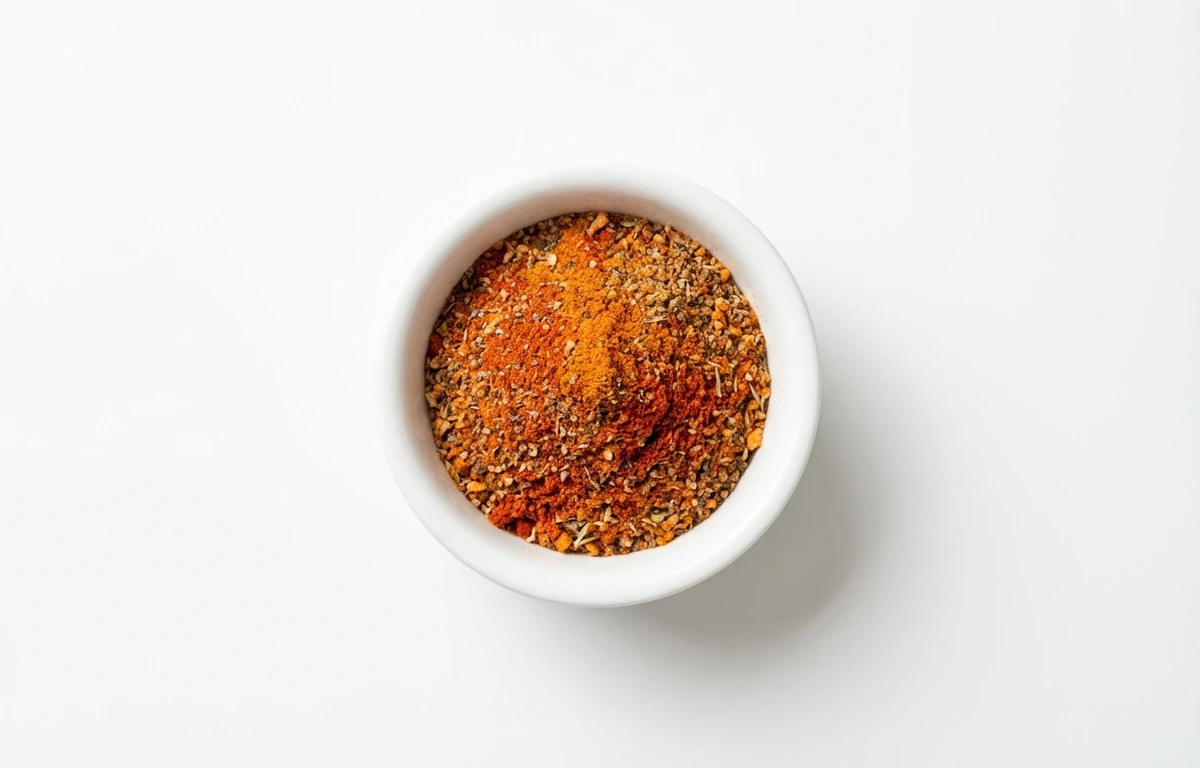
cajun seasoning.
VegetarianVeganGluten-freeDairy-freeNut-freePeanut-freeSoy-freeEgg-freeShellfish-freeHoney-freeAlcohol-free
ALSO KNOWN AS
cajun spicecajun spice mixcajun spice blendlouisiana seasoningcajun powdercajun seasoningseafood boil spicelouisiana style seasoningcajun dry rubCajun Seafood Boil Seasoning
SERVING
CALORIES
282
PROTEIN
11.5g
CARBS
48.2g
FAT
7.8g
FIBER
18.5g
NUTRITION PROFILE · per 100 g
Everything in this ingredient.
MACRONUTRIENTS
Calories282kcal—
Protein11.5g23%
Carbohydrates48.2g18%
Fiber18.5g66%
Sugar5.2g10%
Total fat7.8g10%
Saturated fat1.2g6%
Trans fat0g—
Cholesterol0mg0%
Water6.5g—
MINERALS
Sodium18500mg804%
Potassium1450mg31%
Calcium350mg27%
Iron15.2mg84%
Magnesium160mg38%
Phosphorus240mg19%
Zinc3.2mg29%
Copper0.60mg67%
Manganese2.1mg91%
Selenium12.5µg23%
VITAMINS
Vitamin A850µg94%
Vitamin C18.5mg21%
Vitamin D0µg0%
Vitamin E12.4mg83%
Vitamin K65µg54%
Thiamin (B1)0.30mg25%
Riboflavin (B2)0.50mg38%
Niacin (B3)6.2mg39%
Pantothenic acid (B5)1.1mg22%
Vitamin B61.8mg106%
Folate (B9)45µg11%
Vitamin B120µg0%
%DV based on a 2,000 cal diet. Source: USDA FoodData Central. A dash in the %DV column means there’s no established Daily Value for that nutrient.
MEASUREMENT CONVERSIONS
How much is what.
1 cup135g
1 tablespoon8.4g
1 teaspoon2.8g
1 oz28.4g
1 lb453.6g
1 ml0.6g
1 liter550g
HEALTH BENEFITS
Why eat it.
- ✓Contains capsaicin which may boost metabolism
- ✓Rich in antioxidants from paprika and dried herbs
- ✓Anti-inflammatory properties from garlic and onion powders
- ✓Provides a significant amount of iron and vitamin A
- ✓Low-calorie way to add intense flavor to meals
COOKING TIPS
In the kitchen.
- 1Use as a dry rub for 'blackened' fish or chicken dishes
- 2Add to flour or cornmeal when breading fried foods for extra kick
- 3Stir into mayonnaise or sour cream to create a quick spicy dip
STORAGE
Keep it fresh.
- Store in an airtight container in a cool, dark, and dry place
- Keep away from direct sunlight to prevent the spices from fading
- Avoid storing above the stove as heat and steam reduce potency
FAQ
Frequently asked questions.
What is Cajun seasoning typically made of?
It is a blend of paprika, cayenne pepper, garlic powder, onion powder, black pepper, and dried herbs like oregano and thyme.
How long does Cajun seasoning last?
When stored properly in a cool, dry place, it remains potent for 1 to 2 years, though it won't 'spoil' in a way that makes it unsafe.
Is Cajun seasoning very spicy?
It generally has a moderate to high heat level due to the cayenne pepper, but heat varies significantly between different brands.
Can I use Cajun seasoning as a substitute for Creole seasoning?
Yes, they are very similar. Cajun seasoning tends to be heavier on the peppers and heat, while Creole seasoning often has more herbs.
Does Cajun seasoning contain salt?
Most commercial blends contain a high amount of salt. If you are monitoring sodium, look for 'salt-free' versions or make your own.
Is Cajun seasoning gluten-free?
Most pure spice blends are gluten-free, but some commercial brands may add anti-caking agents that contain gluten. Always check the label.
How do I know if my Cajun seasoning has gone bad?
If the color has faded significantly or it no longer has a strong aroma when rubbed between your fingers, it has lost its flavor.
What are the best foods to pair with Cajun seasoning?
It pairs excellently with shrimp, catfish, chicken, potatoes, corn on the cob, and in rice dishes like jambalaya.
Can I freeze Cajun seasoning to keep it fresh?
It is not recommended as moisture from the freezer can cause the powder to clump and lose its texture.
Is Cajun seasoning suitable for a vegan diet?
Yes, standard Cajun seasoning is made entirely from plant-based spices and herbs.
RECIPES
Cook with cajun seasoning.
10 recipes · sorted by what’s quick