Other10 recipes
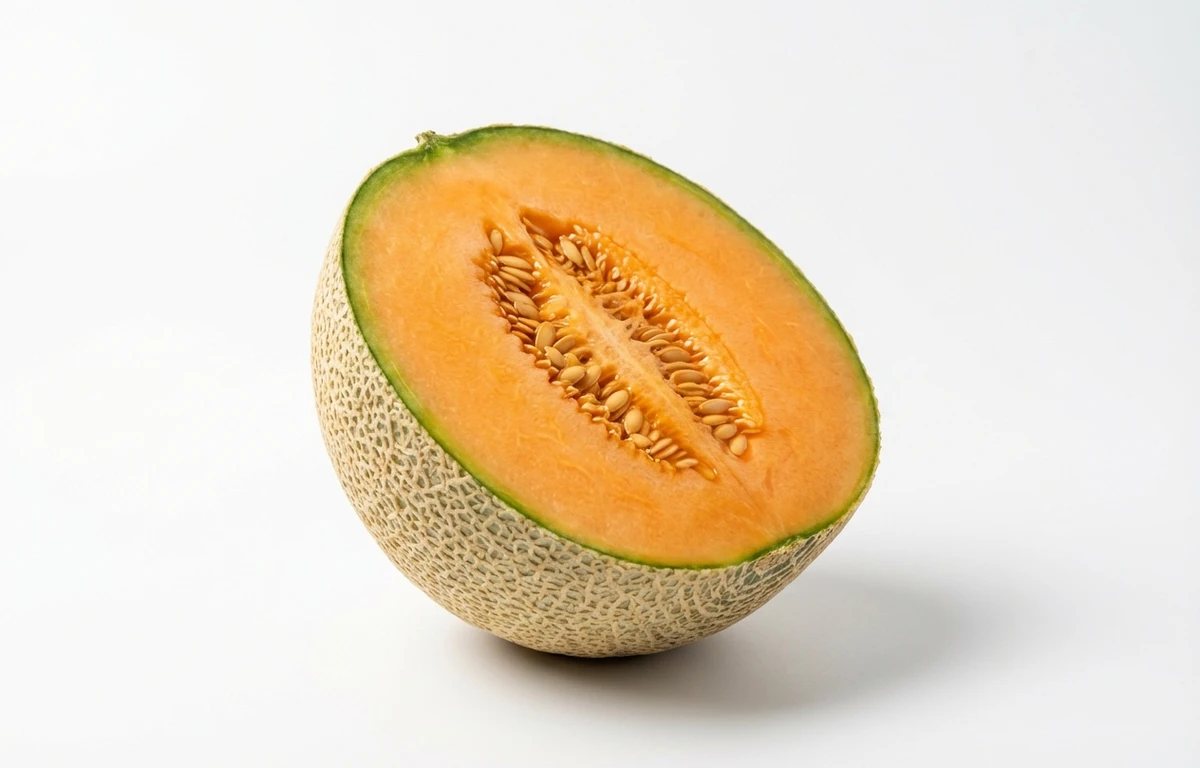
cantaloupe.
VegetarianVeganGluten-freeDairy-freeNut-freePeanut-freeSoy-freeEgg-freeShellfish-freeHoney-freeAlcohol-free
ALSO KNOWN AS
muskmelonrockmelonsweet melonraw muskmelonraw rockmelonraw kharbujaraw cantaloupespanned meloncantaloupekharbujaorange melonorange flesh musk melon
SERVING
CALORIES
34
PROTEIN
0.80g
CARBS
8.2g
FAT
0.20g
FIBER
0.90g
NUTRITION PROFILE · per 100 g
Everything in this ingredient.
MACRONUTRIENTS
Calories34kcal—
Protein0.80g2%
Carbohydrates8.2g3%
Fiber0.90g3%
Sugar7.9g16%
Total fat0.20g0%
Saturated fat0.05g0%
Trans fat0g—
Cholesterol0mg0%
Water90.2g—
MINERALS
Sodium16mg1%
Potassium267mg6%
Calcium9.0mg1%
Iron0.20mg1%
Magnesium12mg3%
Phosphorus15mg1%
Zinc0.18mg2%
Copper0.04mg4%
Manganese0.04mg2%
Selenium0.40µg1%
VITAMINS
Vitamin A169µg19%
Vitamin C36.7mg41%
Vitamin D0µg0%
Vitamin E0.05mg0%
Vitamin K2.5µg2%
Thiamin (B1)0.04mg3%
Riboflavin (B2)0.02mg2%
Niacin (B3)0.70mg4%
Pantothenic acid (B5)0.10mg2%
Vitamin B60.07mg4%
Folate (B9)21µg5%
Vitamin B120µg0%
%DV based on a 2,000 cal diet. Source: USDA FoodData Central. A dash in the %DV column means there’s no established Daily Value for that nutrient.
MEASUREMENT CONVERSIONS
How much is what.
1 cup160g
1 oz28.4g
1 lb453.6g
1 piece1200g
HEALTH BENEFITS
Why eat it.
- ✓High in Vitamin A for eye health and vision
- ✓Excellent source of Vitamin C to boost immune function
- ✓High water content aids in hydration
- ✓Contains potassium which supports heart health and blood pressure
- ✓Low calorie density makes it ideal for weight management
COOKING TIPS
In the kitchen.
- 1Serve chilled for maximum refreshing flavor
- 2Use a melon baller for uniform spheres in salads or garnishes
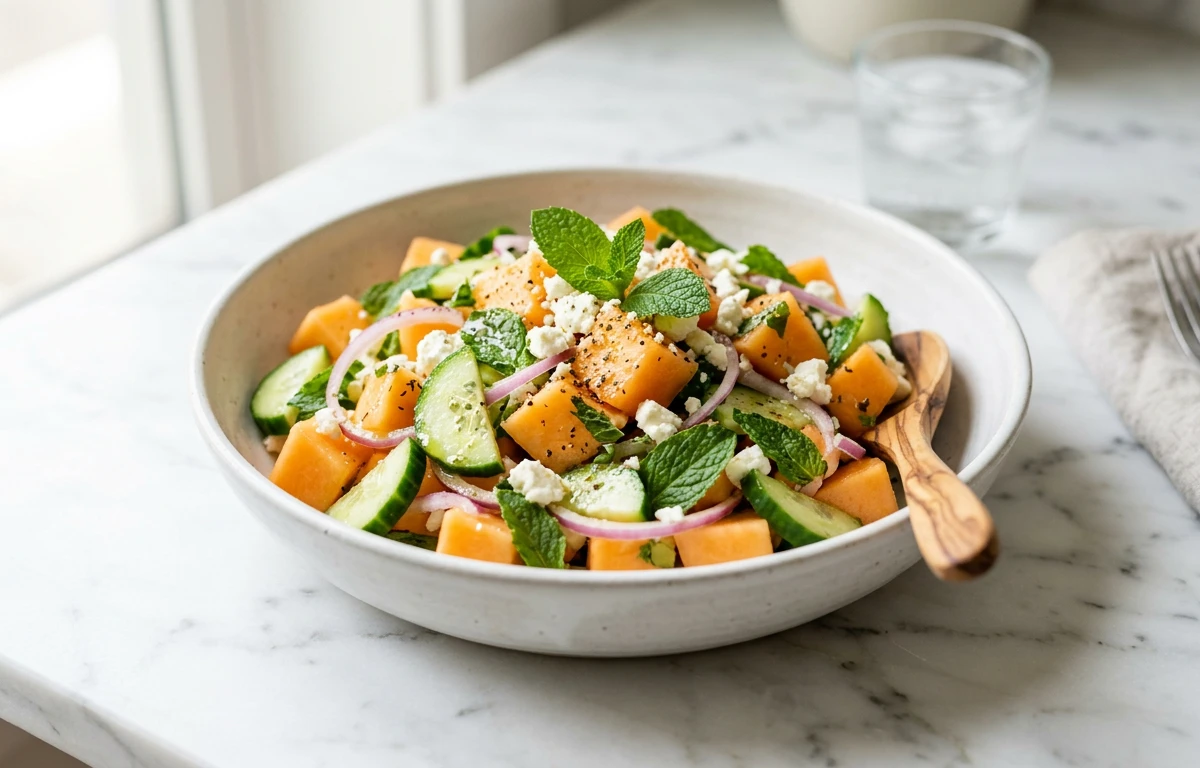
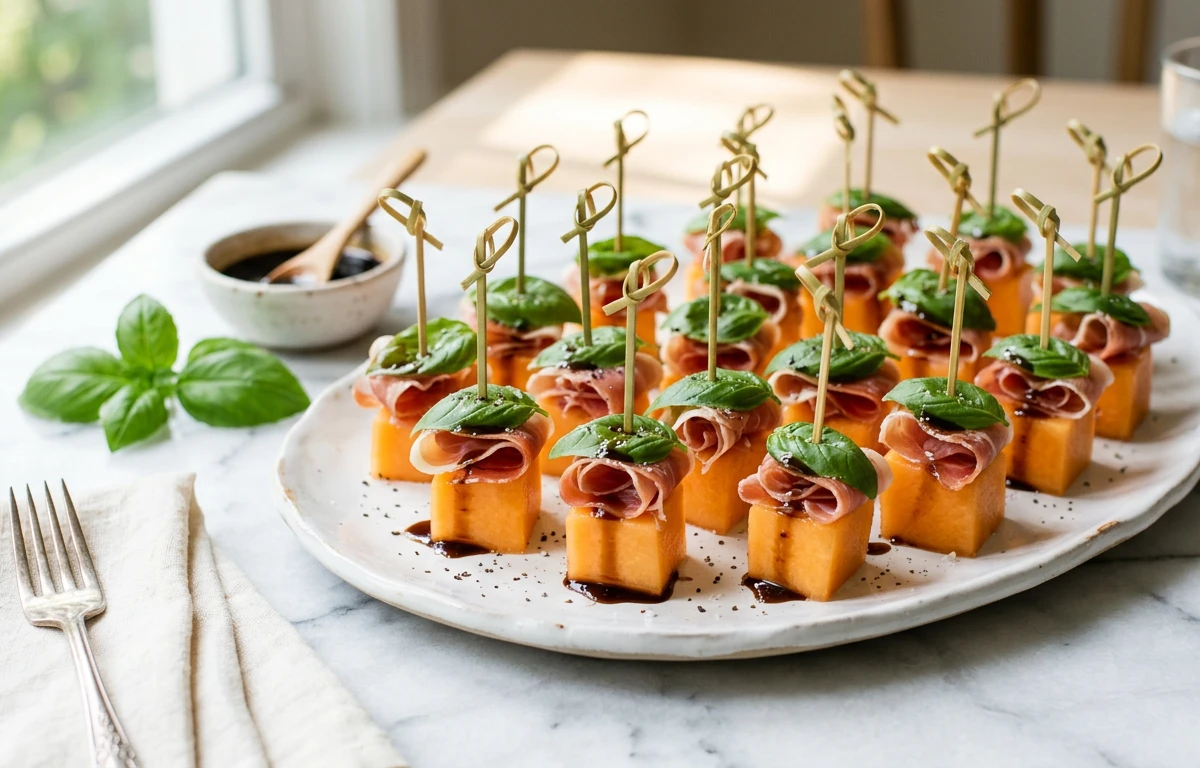
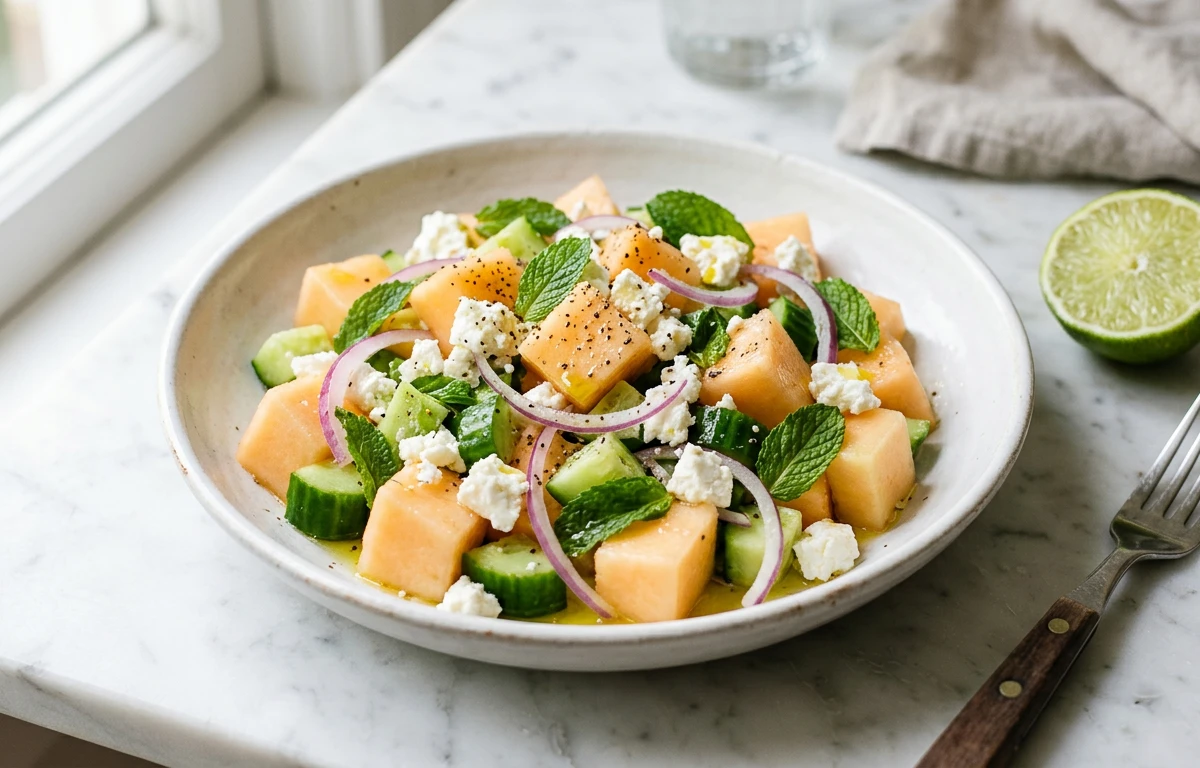
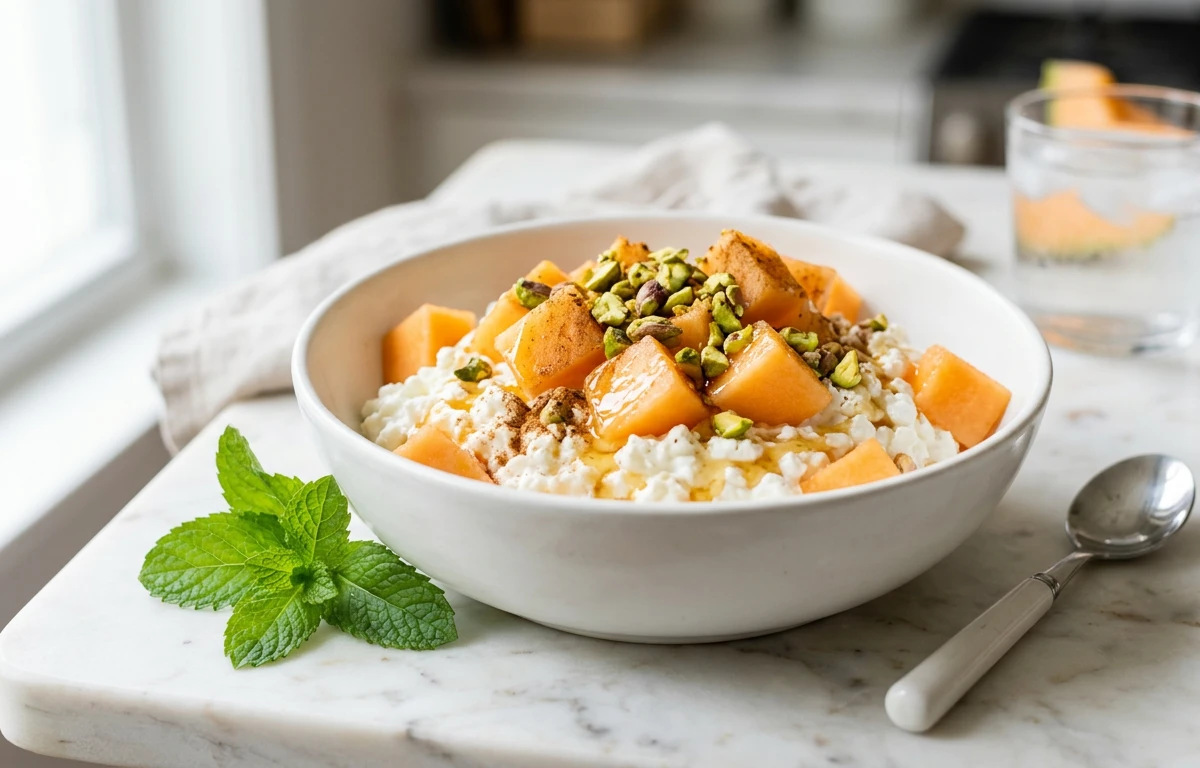
- 3Pair with salty foods like prosciutto or feta to balance the sweetness
STORAGE
Keep it fresh.
- Store whole cantaloupe at room temperature until fully ripe
- Once cut, store in an airtight container in the refrigerator
- Keep cut pieces away from strong-smelling foods as they absorb odors
FAQ
Frequently asked questions.
How do I pick a ripe cantaloupe?
Look for a melon that is heavy for its size, has a sweet aroma at the stem end, and a creamy yellow background color rather than green.
How long does cut cantaloupe last?
Cut cantaloupe should be refrigerated and consumed within 3 to 5 days for best quality and safety.
Can you freeze cantaloupe?
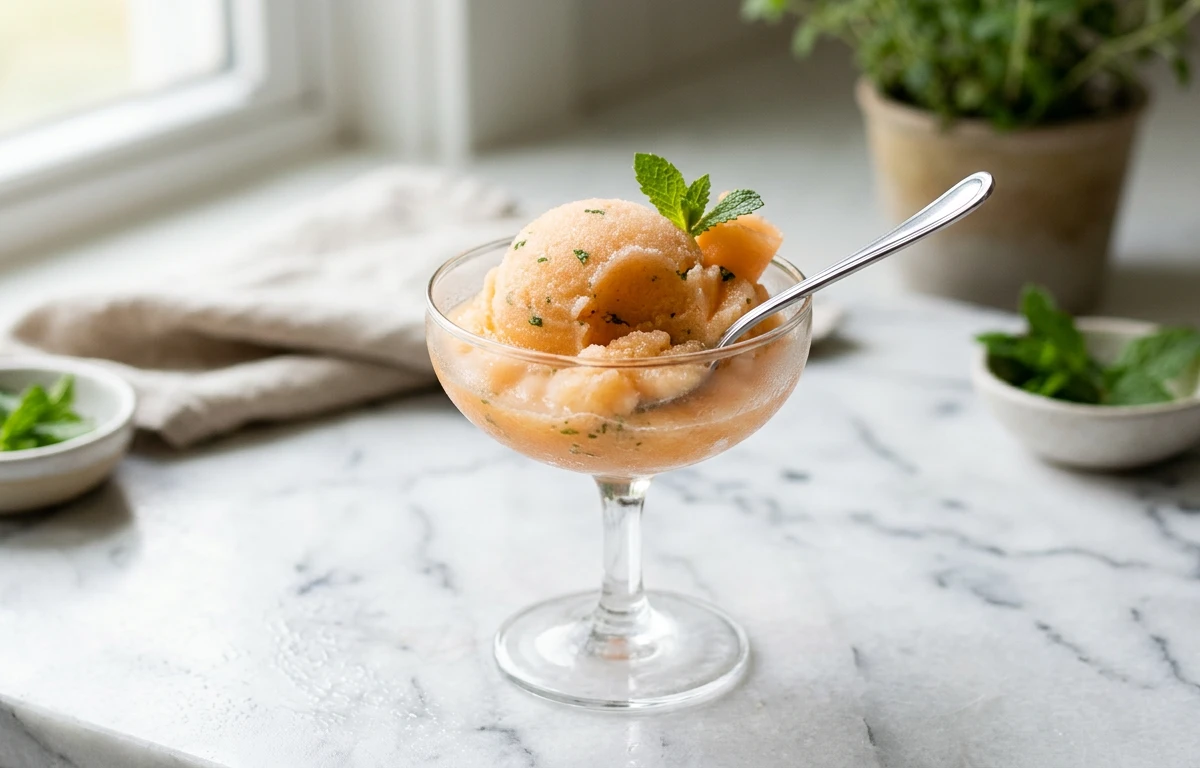
Yes, you can freeze cantaloupe chunks for use in smoothies or sorbets, though the texture will become soft once thawed.
Do I need to wash the outside of a cantaloupe?
Yes, it is critical to scrub the outer rind with a brush under running water before cutting to prevent bacteria from the surface entering the flesh.
What are good substitutes for cantaloupe?
Honeydew melon, galia melon, or papaya are the best substitutes in terms of texture and sweetness.
Is cantaloupe high in sugar?
While it tastes very sweet, it has a relatively low glycemic load because of its high water content, containing about 8g of sugar per 100g.
Why does my cantaloupe have no flavor?
If the melon was picked too early, it will not develop its full sugar content or aroma; look for the 'slip' mark at the stem indicating it ripened on the vine.
Is the rind of the cantaloupe edible?
The tough, netted rind is generally considered inedible and can harbor bacteria, so it should be discarded.
RECIPES
Cook with cantaloupe.
10 recipes · sorted by what’s quick