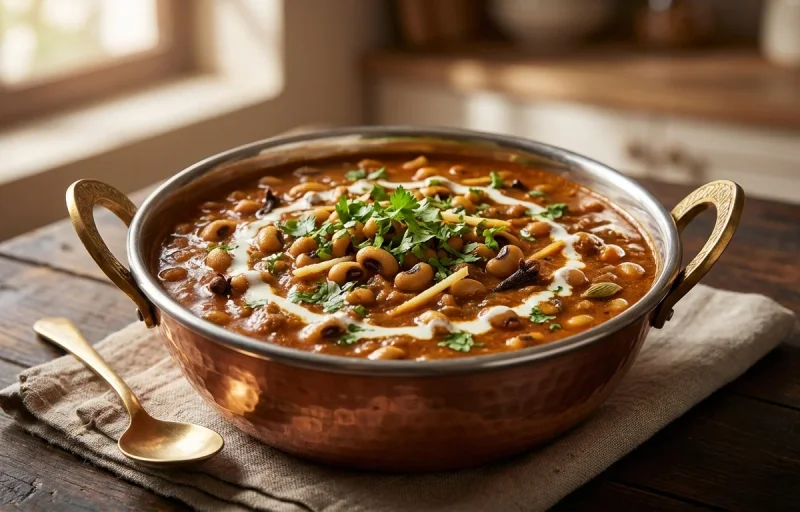
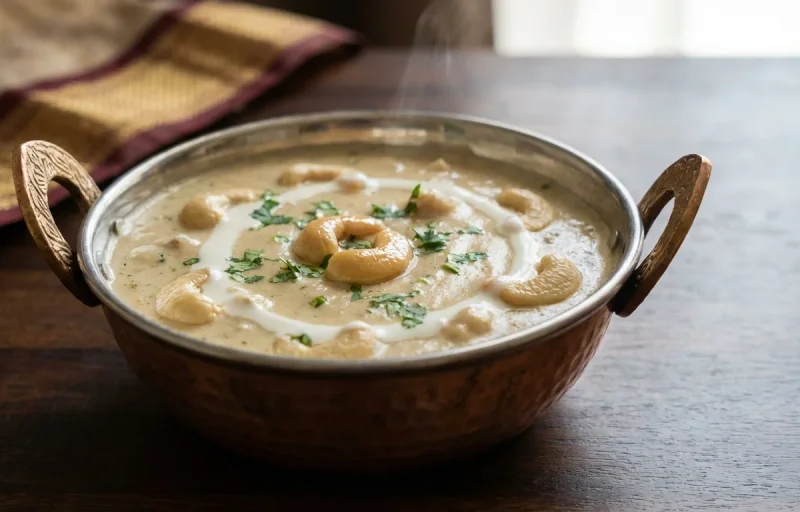
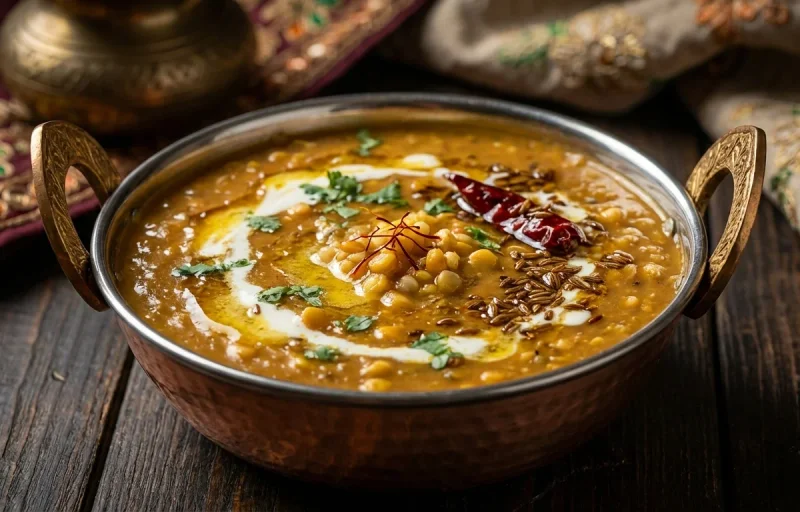
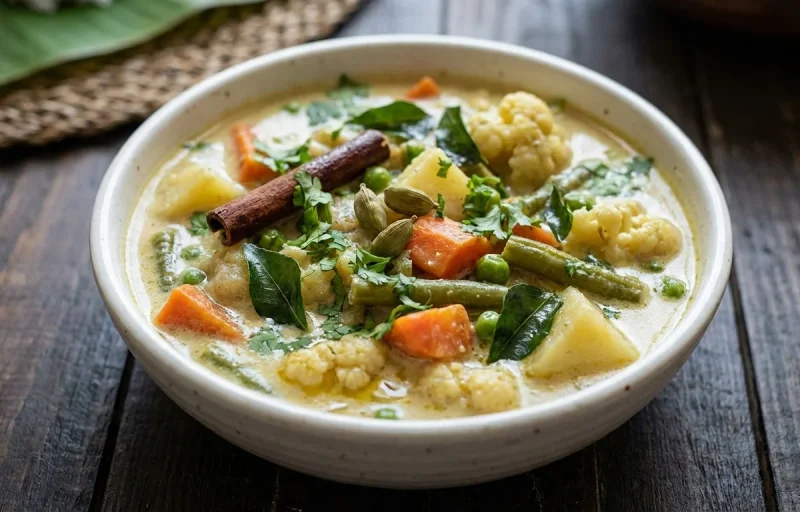
nut_product3 recipes
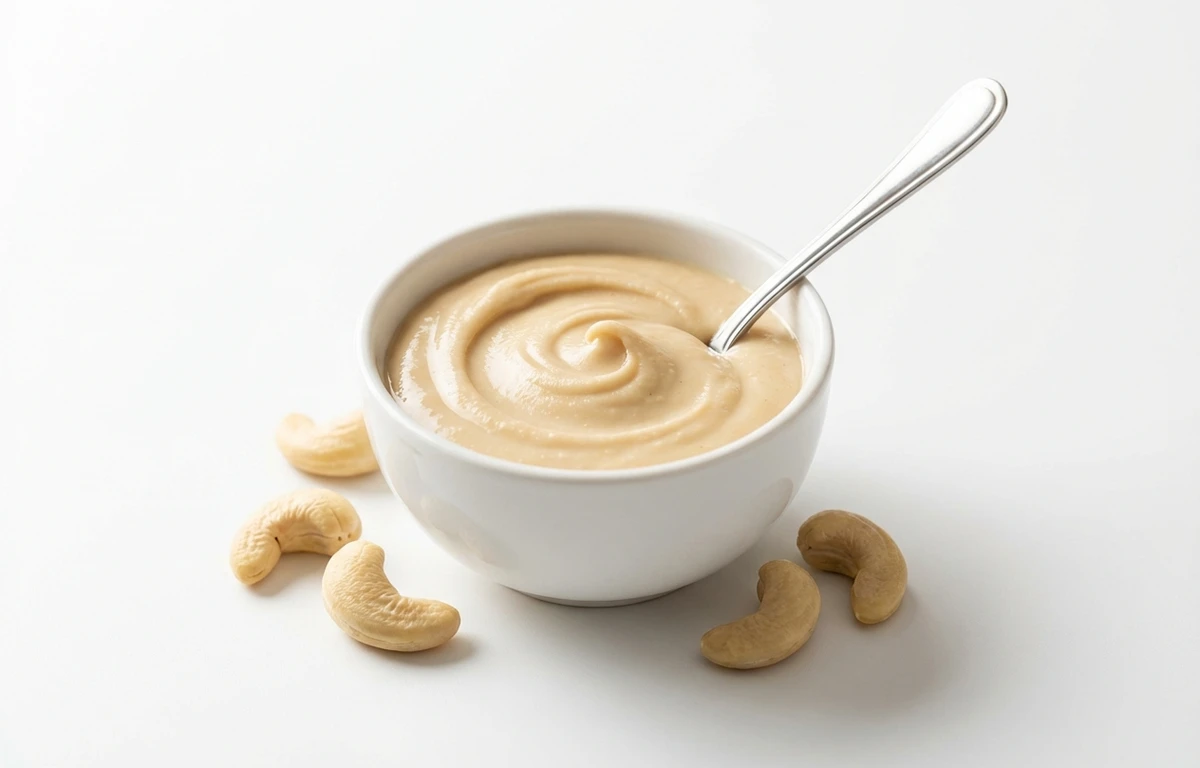
Cashew Paste.
VegetarianVeganGluten-freeDairy-freeNut-freePeanut-freeSoy-freeEgg-freeShellfish-freeHoney-freeAlcohol-free
ALSO KNOWN AS
Kaju Paste
SERVING
CALORIES
553
PROTEIN
18.2g
CARBS
30.2g
FAT
43.8g
FIBER
3.3g
NUTRITION PROFILE · per 100 g
Everything in this ingredient.
MACRONUTRIENTS
Calories553kcal—
Protein18.2g36%
Carbohydrates30.2g11%
Fiber3.3g12%
Sugar5.9g12%
Total fat43.8g56%
Saturated fat7.8g39%
Trans fat0g—
Cholesterol0mg0%
Water5.2g—
MINERALS
Sodium12mg1%
Potassium660mg14%
Calcium37mg3%
Iron6.7mg37%
Magnesium292mg70%
Phosphorus593mg47%
Zinc5.8mg53%
Copper2.2mg244%
Manganese1.7mg74%
Selenium19.9µg36%
VITAMINS
Vitamin A0µg0%
Vitamin C0.50mg1%
Vitamin D0µg0%
Vitamin E0.90mg6%
Vitamin K34.1µg28%
Thiamin (B1)0.40mg33%
Riboflavin (B2)0.10mg8%
Niacin (B3)1.1mg7%
Pantothenic acid (B5)0.90mg18%
Vitamin B60.40mg24%
Folate (B9)25µg6%
Vitamin B120µg0%
%DV based on a 2,000 cal diet. Source: USDA FoodData Central. A dash in the %DV column means there’s no established Daily Value for that nutrient.
MEASUREMENT CONVERSIONS
How much is what.
1 cup250g
1 tablespoon16g
1 teaspoon5g
1 oz28.4g
1 lb453.6g
1 ml1.1g
1 liter1050g
HEALTH BENEFITS
Why eat it.
- ✓Rich in heart-healthy monounsaturated fats
- ✓Excellent source of magnesium for bone health
- ✓High in copper for iron metabolism and skin health
- ✓Provides plant-based protein for muscle maintenance
- ✓Contains antioxidants like lutein and zeaxanthin
COOKING TIPS
In the kitchen.
- 1Add at the end of cooking in curries to maintain its creamy texture and prevent burning
- 2Thin with warm water or broth before adding to hot liquids to avoid clumping
- 3Use as a dairy-free thickener for soups, stews, and vegan pasta sauces
STORAGE
Keep it fresh.
- Store in an airtight glass container in the refrigerator for up to 2 weeks
- Always use a clean, dry spoon to prevent bacterial growth and spoilage
- Can be frozen in ice cube trays for up to 3 months for portioned use
FAQ
Frequently asked questions.
How long does homemade cashew paste last?
Homemade cashew paste typically lasts 1 to 2 weeks when stored in an airtight container in the refrigerator.
Can I freeze cashew paste?
Yes, cashew paste freezes very well. It is best to freeze it in ice cube trays so you can defrost only what you need.
What is the best substitute for cashew paste in curries?
Almond paste, melon seed paste (magaj), or heavy cream are the best substitutes for achieving a similar rich texture.
How do I make cashew paste smooth?
Soak raw cashews in hot water for at least 30 minutes before blending with a small amount of water until completely smooth.
Is cashew paste healthy?
Yes, it is rich in healthy fats and minerals, though it is calorie-dense and should be consumed in moderation.
Can I use roasted cashews to make the paste?
You can, but it will have a stronger, nuttier flavor and a darker color. Raw cashews are preferred for a neutral, creamy base.
Why did my cashew paste turn bitter?
Bitterness can occur if the cashews were old/rancid or if they were over-processed in a high-speed blender, causing the oils to overheat.
Is cashew paste gluten-free?
Pure cashew paste made only from cashews and water is naturally gluten-free.
RECIPES
Cook with cashew paste.
3 recipes · sorted by what’s quick