Grain4 recipes
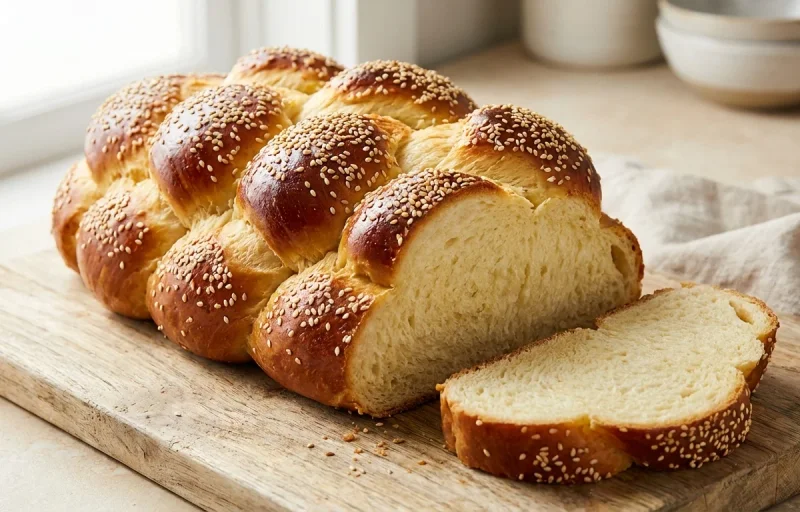
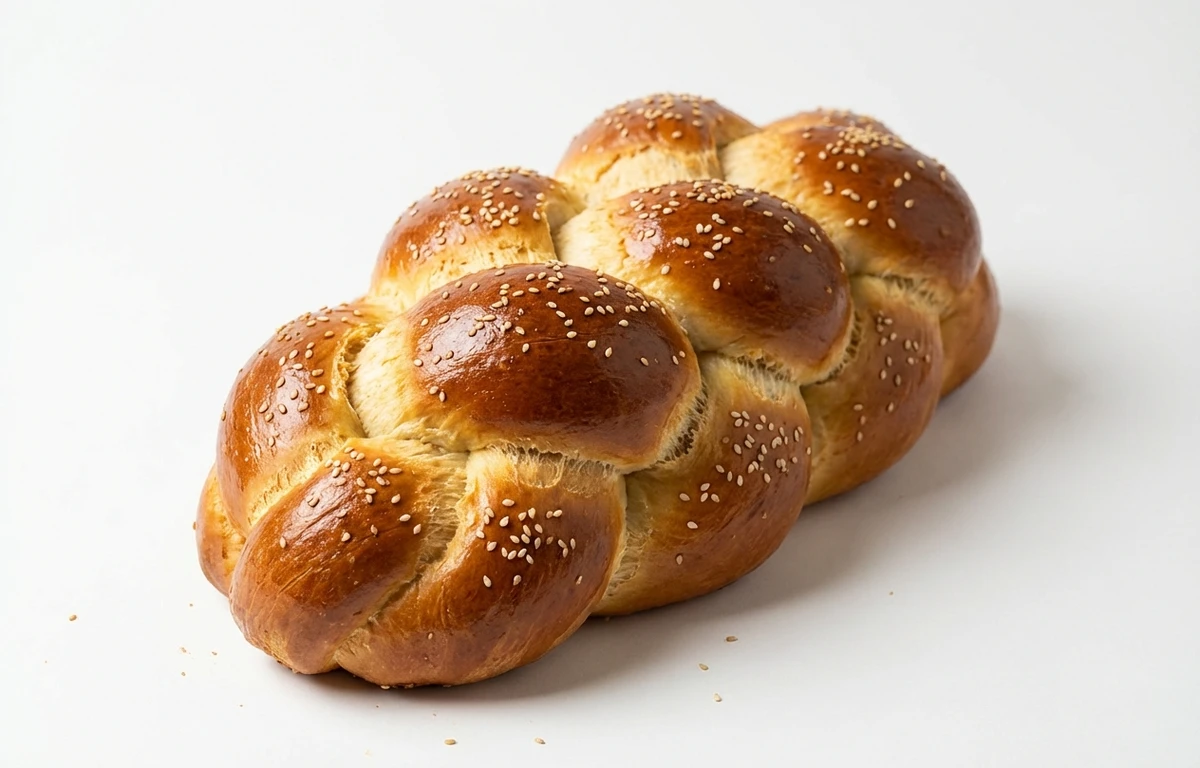
challah bread.
VegetarianVeganGluten-freeDairy-freeNut-freePeanut-freeSoy-freeEgg-freeShellfish-freeHoney-freeAlcohol-freeKosherFermented
ALSO KNOWN AS
egg breadJewish braided bread
SERVING
CALORIES
300
PROTEIN
9.4g
CARBS
49.6g
FAT
7.2g
FIBER
1.9g
NUTRITION PROFILE · per 100 g
Everything in this ingredient.
MACRONUTRIENTS
Calories300kcal—
Protein9.4g19%
Carbohydrates49.6g18%
Fiber1.9g7%
Sugar7.2g14%
Total fat7.2g9%
Saturated fat1.6g8%
Cholesterol47mg16%
Water30.7g—
MINERALS
Sodium390mg17%
Potassium110mg2%
Calcium60mg5%
Iron2.5mg14%
Magnesium4.6mg1%
Phosphorus25.4mg2%
Zinc0.19mg2%
Copper0.04mg4%
Selenium7.2µg13%
VITAMINS
Vitamin A20µg2%
Vitamin C0mg0%
Vitamin D0.50µg3%
Vitamin E0.06mg0%
Vitamin K1.0µg1%
Thiamin (B1)0.11mg9%
Riboflavin (B2)0.11mg8%
Niacin (B3)1.2mg7%
Vitamin B60.02mg1%
Folate (B9)31.2µg8%
Vitamin B120.02µg1%
%DV based on a 2,000 cal diet. Source: USDA FoodData Central. A dash in the %DV column means there’s no established Daily Value for that nutrient.
MEASUREMENT CONVERSIONS
How much is what.
1 cup150g
1 oz28.4g
1 lb453.6g
HEALTH BENEFITS
Why eat it.
- ✓Provides quick energy from carbohydrates, making it suitable for pre-activity fuel.
- ✓The inclusion of eggs provides a higher protein content compared to standard white bread, contributing to satiety.
- ✓Often made with enriched flour, which supplies B vitamins such as niacin, thiamin, and riboflavin, essential for energy metabolism.
- ✓Can be a source of selenium, an important mineral for immune function and thyroid health.
COOKING TIPS
In the kitchen.
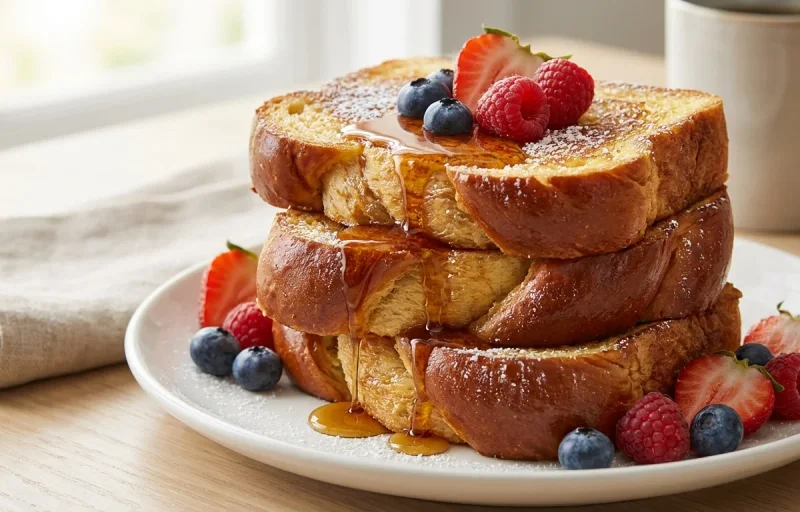
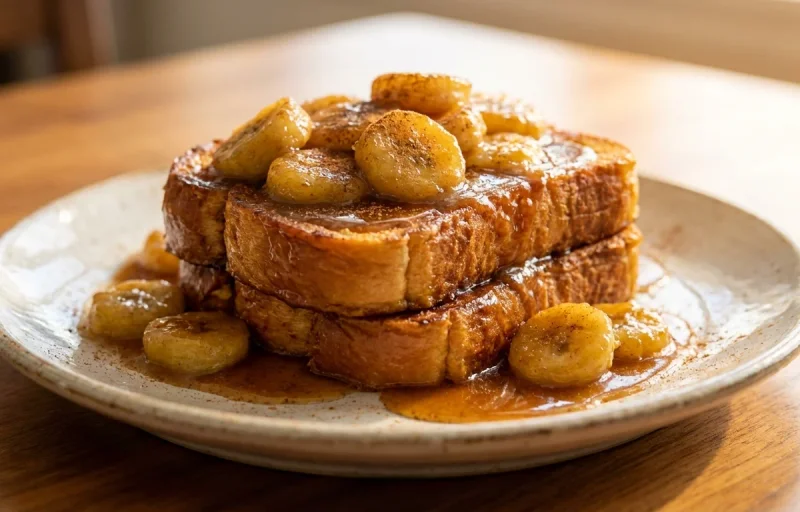
- 1Its rich, sturdy crumb makes it the ideal bread for French toast or bread pudding, as it absorbs custard mixtures without becoming overly soggy.
- 2Day-old challah is perfect for making homemade croutons or breadcrumbs.
- 3Use thick slices for decadent grilled cheese or other savory sandwiches.
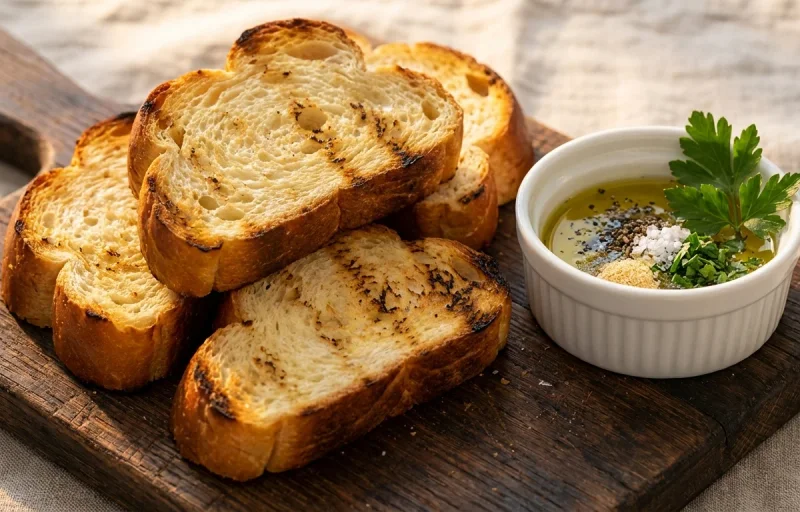
- 4Serve alongside soups and stews for dipping, or toast and spread with butter and jam.
STORAGE
Keep it fresh.
- Store in a bread box or a sealed paper or plastic bag at room temperature for up to 3-4 days.
- For longer storage, slice the loaf and freeze it in an airtight freezer bag for up to 3 months. Toast slices directly from the freezer.
FAQ
Frequently asked questions.
Is challah bread healthy?
Challah is a good source of energy and B vitamins, providing more protein than standard white bread due to the inclusion of eggs. However, it is relatively high in calories and carbohydrates, so it is best enjoyed in moderation as part of a balanced diet.
How much protein and calories are in challah bread?
A 100g serving of challah bread contains approximately 300 calories and 9.4g of protein. The higher protein content compared to other breads comes from the eggs used in the dough, which also helps with satiety.
Is challah bread vegan?
Traditional challah is not vegan because eggs are a core ingredient used to achieve its rich flavor and golden color. While it is usually dairy-free (pareve), vegans should look for specific egg-free versions.
Is challah bread gluten-free?
No, traditional challah is made with wheat flour and contains gluten. It is not suitable for individuals with celiac disease or gluten intolerance unless specifically labeled as a gluten-free alternative.
Is challah bread keto-friendly?
Challah is not keto-friendly as it is high in carbohydrates, containing nearly 50g of carbs per 100g. It is a wheat-based bread that will likely trigger an insulin response and exit the state of ketosis.
What does challah bread taste like?
Challah has a rich, slightly sweet flavor and a soft, airy, and pillowy texture. It is similar to brioche but is typically made without butter, relying on oil and eggs for its distinct richness.
What is the best way to use challah bread in cooking?
Challah is highly regarded for making French toast and bread pudding because its dense, absorbent crumb holds up well to custard. It is also excellent for sandwiches or toasted with honey and jam.
How should I store challah bread?
Store challah in an airtight plastic bag at room temperature for up to 5 days. Avoid the refrigerator, as the cold environment can cause the bread to crystallize and go stale faster.
Can I freeze challah bread?
Yes, challah freezes exceptionally well. Wrap the loaf or slices tightly in plastic wrap and place them in a freezer bag for up to 3 months; thaw at room temperature or toast directly from the freezer.
What are the health benefits of the enriched flour in challah?
Most challah is made with enriched flour, which provides essential B vitamins like niacin, thiamin, and riboflavin. These nutrients are vital for energy metabolism and maintaining a healthy nervous system.
RECIPES
Cook with challah bread.
4 recipes · sorted by what’s quick