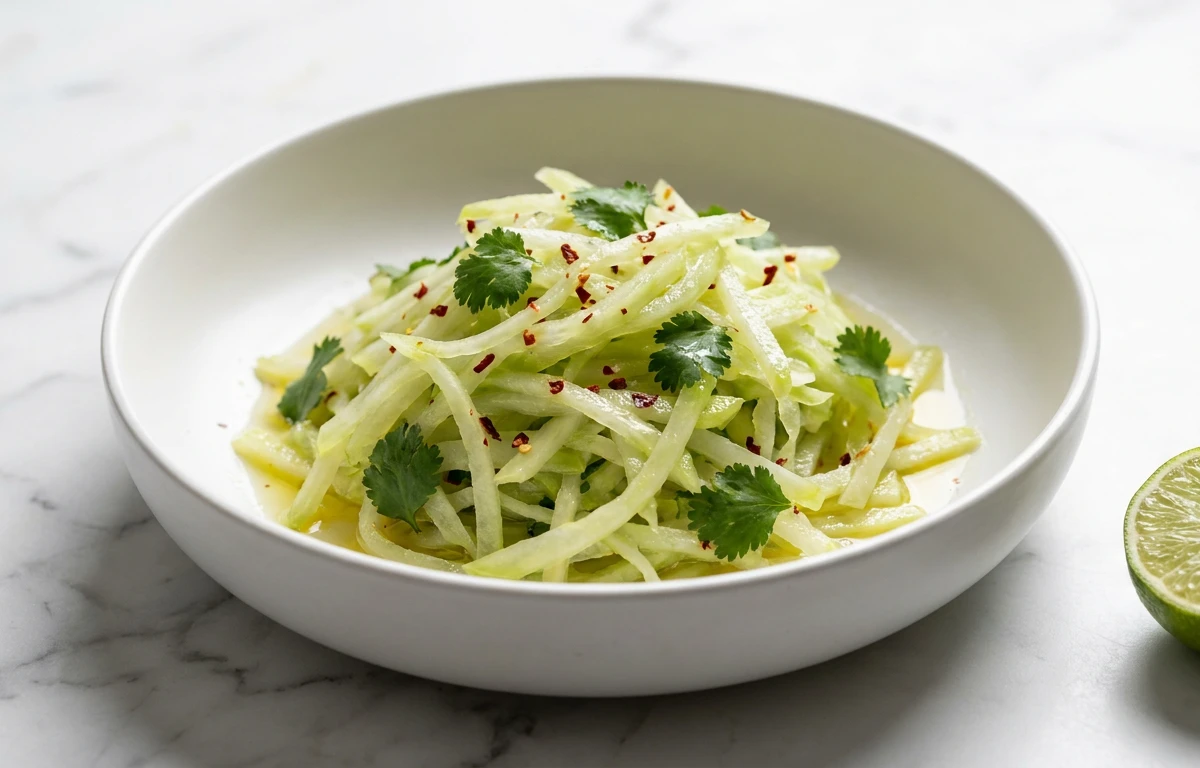
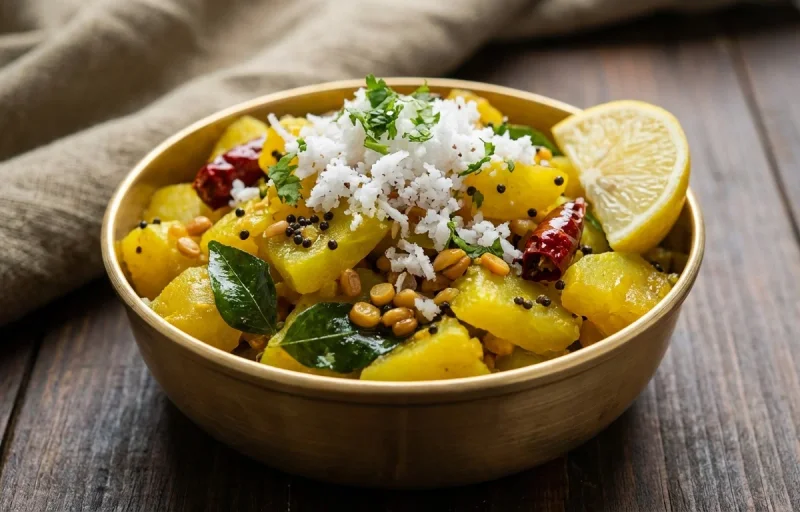
Vegetable5 recipes
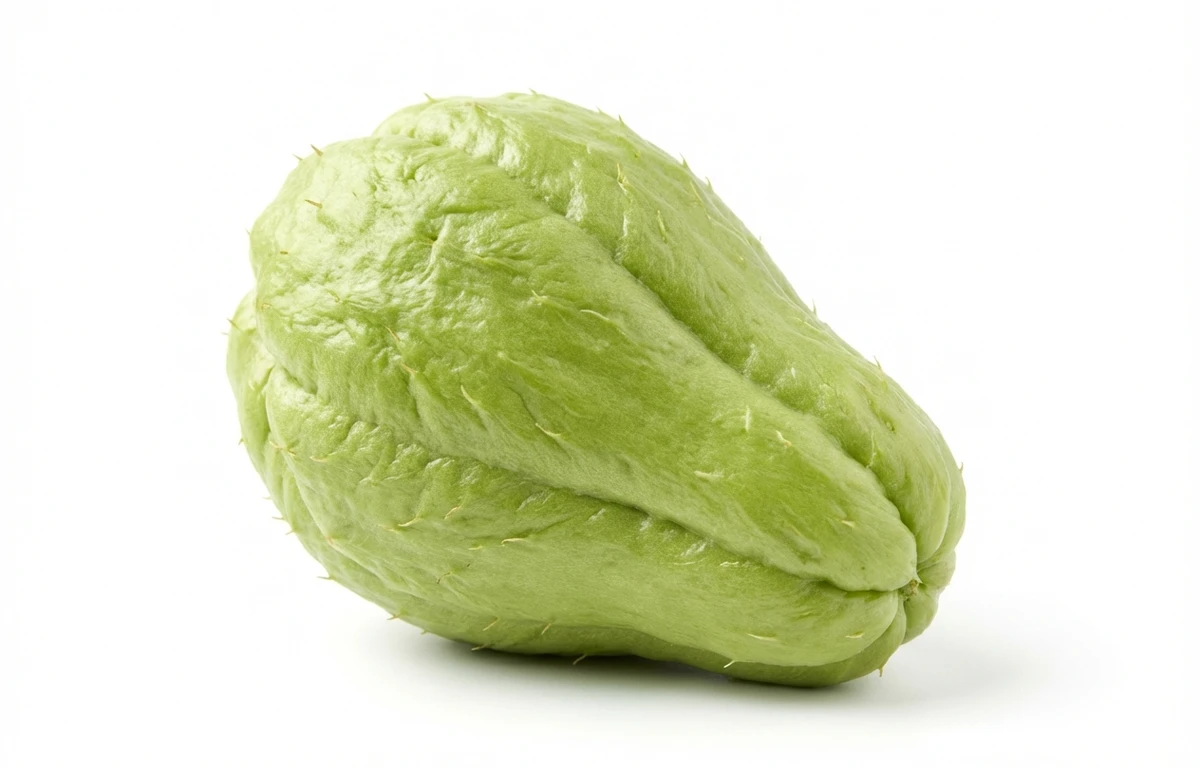
chayote squash.
VegetarianVeganGluten-freeDairy-freeNut-freePeanut-freeSoy-freeEgg-freeShellfish-freeHoney-freeAlcohol-free
ALSO KNOWN AS
chow chowmirlitonchristophenechayote squashvegetable pearmirliton squash
SERVING
CALORIES
19
PROTEIN
0.82g
CARBS
4.5g
FAT
0.13g
FIBER
1.7g
This ingredient is flagged as naturally gluten-free. Per 100 g, it provides 4.1 µg of vitamin K.
NUTRITION PROFILE · per 100 g
Everything in this ingredient.
MACRONUTRIENTS
Calories19kcal—
Protein0.82g2%
Carbohydrates4.5g2%
Fiber1.7g6%
Sugar1.7g3%
Total fat0.13g0%
Saturated fat0.03g0%
Trans fat0g—
Cholesterol0mg0%
Water94.2g—
MINERALS
Sodium2.0mg0%
Potassium125mg3%
Calcium17mg1%
Iron0.34mg2%
Magnesium12mg3%
Phosphorus18mg1%
Zinc0.74mg7%
Copper0.12mg13%
Manganese0.19mg8%
Selenium0.20µg0%
VITAMINS
Vitamin A0µg0%
Vitamin C7.7mg9%
Vitamin D0µg0%
Vitamin E0.12mg1%
Vitamin K4.1µg3%
Thiamin (B1)0.03mg3%
Riboflavin (B2)0.03mg2%
Niacin (B3)0.47mg3%
Pantothenic acid (B5)0.25mg5%
Vitamin B60.08mg5%
Folate (B9)93µg23%
Vitamin B120µg0%
%DV based on a 2,000 cal diet. Source: USDA FoodData Central. A dash in the %DV column means there’s no established Daily Value for that nutrient.
MEASUREMENT CONVERSIONS
How much is what.
1 cup132g
1 tablespoon8.3g
1 teaspoon2.8g
1 ml0.6g
1 liter550g
1 piece200g
HEALTH BENEFITS
Why eat it.
- ✓A good source of folate (vitamin B9), an essential nutrient for proper cell division and development, making it beneficial during pregnancy.
COOKING TIPS
In the kitchen.
- 1Chayote can be eaten raw or cooked. When raw, slice it thinly for salads and slaws for a crisp, cucumber-like texture.
- 2The mild flavor of chayote allows it to absorb other flavors well, making it an excellent addition to soups, stews, curries, and stir-fries.
- 3Peeling is optional for young chayote with tender skin, but older, tougher-skinned ones should be peeled before use. The single, soft seed in the center is edible.
- 4To prevent a slippery texture after peeling, you can rinse the peeled squash under cold water or wear gloves while handling.
STORAGE
Keep it fresh.
- Store whole, unwashed chayote in the crisper drawer of your refrigerator for up to four weeks.
- Once cut, wrap the pieces tightly in plastic wrap or store them in an airtight container in the refrigerator for up to 5 days.
FAQ
Frequently asked questions.
Is chayote squash keto-friendly?
Yes, chayote is very keto-friendly and low-carb. With only about 4.5g of carbohydrates per 100g, it is frequently used as a low-starch substitute for potatoes in stews, stir-fries, and even 'mock' apple pies.
What does chayote squash taste like?
Chayote has a very mild, subtle flavor that is often described as a cross between a cucumber and a firm pear or zucchini. Because of its neutral taste, it excels at absorbing the flavors of the seasonings and sauces it is cooked with.
Can you eat chayote squash raw?
Yes, chayote can be eaten raw. It has a crisp, crunchy texture similar to a water chestnut or jicama, making it a refreshing addition to salads, salsas, or julienned into slaws with a lime dressing.
Do I need to peel chayote squash?
The skin of the chayote is edible, but it can be slightly tough on older or larger squash. While many people choose to peel it for a smoother texture in cooked dishes, you can leave the skin on for added fiber, especially if the squash is young and tender.
How do you cook chayote squash?
Chayote is versatile and can be sautéed, steamed, boiled, roasted, or fried. It holds its shape well when cooked, making it ideal for chunky soups and stews, or it can be thinly sliced and quickly stir-fried with garlic and ginger.
Is chayote squash good for pregnancy?
Chayote is a beneficial vegetable during pregnancy because it is a good source of folate (vitamin B9). Folate is essential for proper fetal cell division and the healthy development of the baby's brain and spinal cord.
How do you store chayote squash and how long does it last?
Store chayote in the refrigerator, preferably in a plastic bag to maintain moisture. When kept in the crisper drawer, it can remain fresh and firm for up to two to three weeks.
RECIPES
Cook with chayote squash.
5 recipes · sorted by what’s quick