Loading...
Also known as:
Per 100g
Nutrition data source: USDA FoodData Central
Yes, chembu is a highly nutritious root vegetable. It is an excellent source of dietary fiber and resistant starch, which support digestive health, and it contains essential minerals like potassium and manganese that promote heart health and enzyme function.
100g of chembu provides approximately 112 calories and 26.46g of carbohydrates. While it is a starchy vegetable, it is very low in fat (0.2g) and provides a steady source of energy.
Chembu can be beneficial for weight loss when eaten in moderation due to its high fiber content. Fiber and resistant starch increase satiety, helping you feel full for longer periods, which can reduce overall calorie consumption.
Yes, chembu is naturally gluten-free. It is a safe and healthy carbohydrate alternative for individuals with celiac disease or those following a gluten-free diet.
No, chembu is generally not considered keto-friendly. With over 26g of carbohydrates per 100g, it is a high-starch vegetable that can easily exceed the daily carb limits required to maintain ketosis.
No, chembu should never be eaten raw. It contains calcium oxalate crystals which can cause severe irritation, burning, and itching in the mouth and throat; thorough cooking is required to neutralize these compounds.
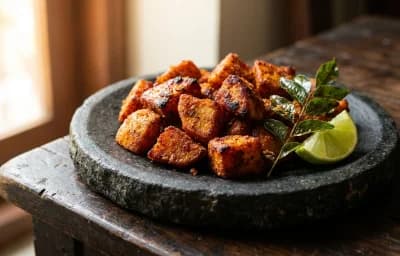
Chembu is typically prepared by boiling, steaming, or frying. It is widely used in curries, stews, and mashes. To reduce sliminess, many cooks boil it with a bit of tamarind or lemon juice before adding it to the main dish.
chembu is a versatile ingredient found in cuisines around the world. With 112 calories per 100g and 1.5 grams of protein, it's a nutritious addition to many dishes.
Explore more ingredients in the vegetable category with complete nutrition information.
View all vegetable →Chembu has a mild, nutty flavor that is slightly sweeter than a regular potato. Its texture is starchy and can become creamy or slightly mucilaginous when cooked, making it excellent for thickening gravies.
Fresh chembu should be stored in a cool, dark, and dry place with good ventilation, much like potatoes. Avoid storing them in the refrigerator, as the moisture and cold can cause them to spoil faster or change texture.
The raw sap of chembu contains calcium oxalate crystals that act as skin irritants. To prevent itching, you can wear gloves while peeling, or coat your hands with a little cooking oil or tamarind water before handling the vegetable.