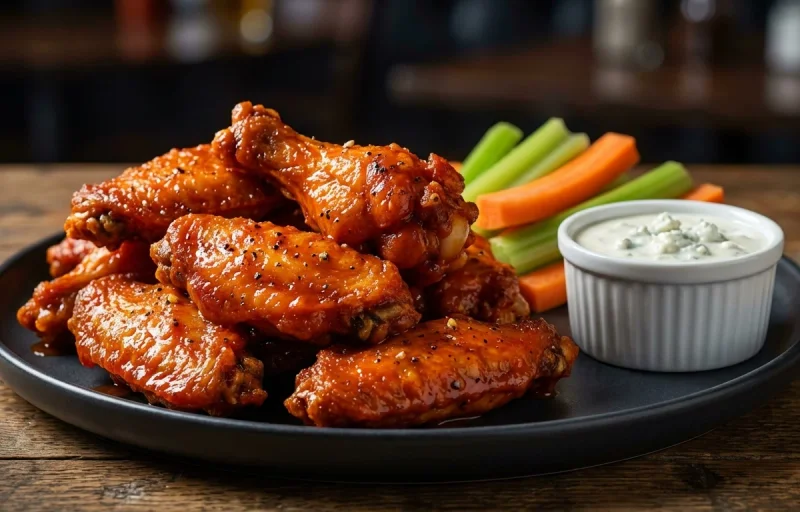
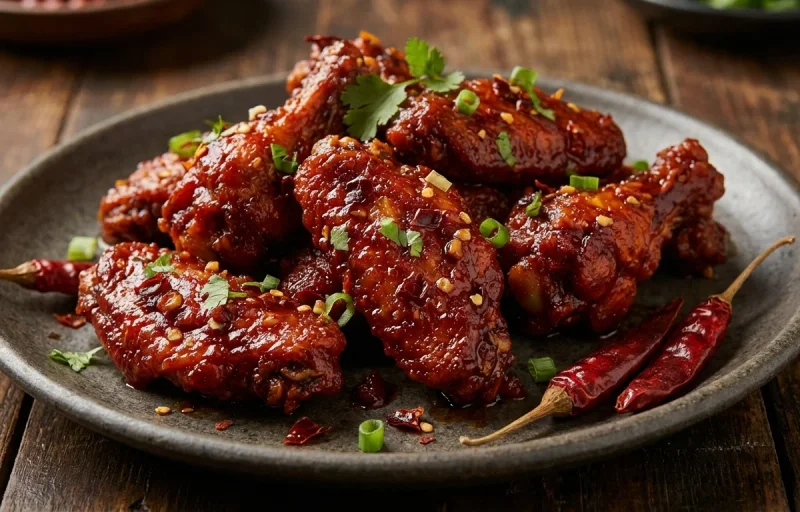
Protein10 recipes
chicken wings.
VegetarianVeganGluten-freeDairy-freeNut-freePeanut-freeSoy-freeEgg-freeShellfish-freeHoney-freeAlcohol-free
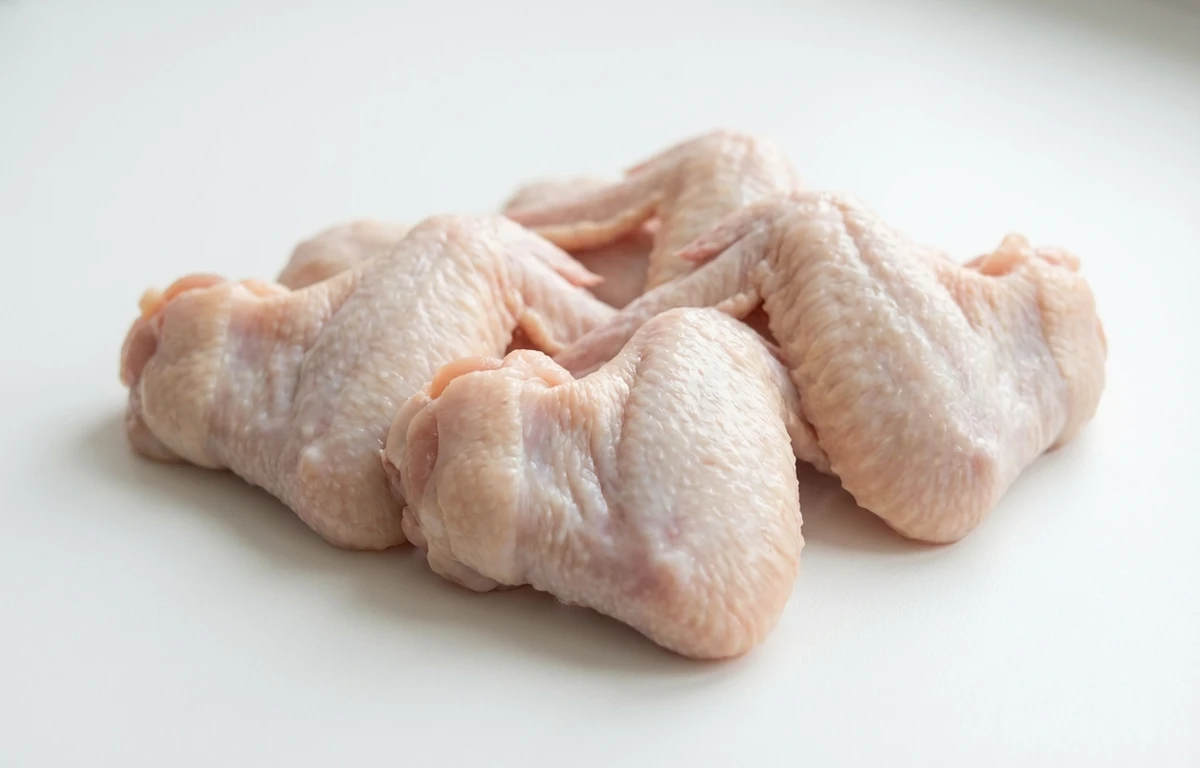
SERVING
CALORIES
191
PROTEIN
18.3g
CARBS
0g
FAT
12.9g
FIBER
0g
NUTRITION PROFILE · per 100 g
Everything in this ingredient.
MACRONUTRIENTS
Calories191kcal—
Protein18.3g37%
Carbohydrates0g0%
Fiber0g0%
Sugar0g0%
Total fat12.9g17%
Saturated fat3.6g18%
Trans fat0.10g—
Cholesterol84mg28%
Water68.2g—
MINERALS
Sodium82mg4%
Potassium179mg4%
Calcium12mg1%
Iron0.90mg5%
Magnesium17mg4%
Phosphorus147mg12%
Zinc1.3mg12%
Copper0.05mg6%
Manganese0.02mg1%
Selenium20.8µg38%
VITAMINS
Vitamin A31µg3%
Vitamin C0mg0%
Vitamin D0.10µg1%
Vitamin E0.30mg2%
Vitamin K1.5µg1%
Thiamin (B1)0.06mg5%
Riboflavin (B2)0.12mg9%
Niacin (B3)5.6mg35%
Pantothenic acid (B5)0.90mg18%
Vitamin B60.40mg24%
Folate (B9)4.0µg1%
Vitamin B120.30µg13%
%DV based on a 2,000 cal diet. Source: USDA FoodData Central. A dash in the %DV column means there’s no established Daily Value for that nutrient.
MEASUREMENT CONVERSIONS
How much is what.
1 oz28.4g
1 lb453.6g
1 piece90g
HEALTH BENEFITS
Why eat it.
- ✓High quality complete protein source for muscle repair
- ✓Rich in Vitamin B3 (Niacin) which supports metabolism
- ✓Contains Selenium, an important antioxidant for immune health
- ✓Good source of Phosphorus for bone health
- ✓Provides Vitamin B6 for brain development and function
COOKING TIPS
In the kitchen.
- 1Pat wings completely dry with paper towels before cooking for crispier skin
- 2Cook to an internal temperature of 165°F (74°C) for safety
- 3Toss with a small amount of baking powder before air-frying for extra crunch
STORAGE
Keep it fresh.
- Store in the coldest part of the refrigerator for 1-2 days
- Freeze in airtight bags or vacuum-sealed packs for up to 9 months
- Keep raw wings separate from other foods to prevent cross-contamination
FAQ
Frequently asked questions.
How long do raw chicken wings last in the fridge?
Raw chicken wings should be used within 1 to 2 days of purchase if kept refrigerated.
Can you freeze chicken wings?
Yes, they can be frozen for 6 to 9 months for best quality, though they remain safe indefinitely if kept at 0°F.
Should I wash chicken wings before cooking?
No, washing raw poultry can spread bacteria to your sink, countertops, and other surfaces.
What is the best substitute for chicken wings?
Chicken drumsticks or thighs are the best substitutes as they have a similar skin-to-meat ratio and fat content.
How do I know if chicken wings have gone bad?
Look for a slimy texture, a greyish tint, or a sour, ammonia-like odor.
What is the safe internal temperature for chicken wings?
Chicken wings must reach an internal temperature of 165°F (74°C) to be safe for consumption.
How many wings are in a pound?
On average, there are about 4 to 5 whole raw chicken wings in one pound.
Are chicken wings healthy?
They are high in protein but also higher in fat and calories than chicken breast, especially when eaten with skin or deep-fried.
How do I get crispy skin when baking?
Dry the skin thoroughly, use a wire rack over a baking sheet to allow air circulation, and bake at a high temperature (400°F+).
RECIPES
Cook with chicken wings.
10 recipes · sorted by what’s quick