Loading...
Per 100g
Nutrition data source: USDA FoodData Central
Common measurement equivalents in grams
Yes, chickpea leaves are highly nutritious and low in calories, providing only 35 calories per 100g. They are rich in vitamins A, C, and K, which support vision, immune function, and healthy blood clotting. Additionally, they offer essential minerals like iron and calcium.
Chickpea leaves contain approximately 3.5g of protein per 100g. While not as high in protein as the chickpeas themselves, they are a significant source of plant-based protein compared to many other leafy greens.
Yes, chickpea leaves are excellent for a keto or low-carb diet. They contain only 6g of carbohydrates per 100g and are high in fiber, making them a nutrient-dense, low-glycemic vegetable option.
Chickpea leaves have a unique, slightly tangy or sour flavor profile. This is due to the natural presence of malic and oxalic acids on the surface of the leaves, which gives them a refreshing acidity compared to the mildness of spinach.
Yes, young and tender chickpea leaves can be eaten raw in salads or as a garnish. However, they are more commonly cooked, sautéed, or added to soups and stews to soften their texture and balance their natural tanginess.
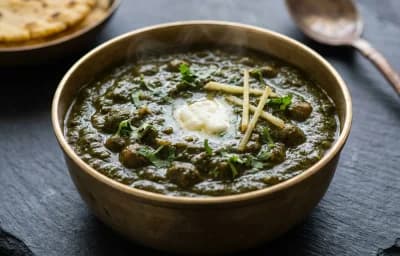
They can be prepared similarly to spinach or kale. Sauté them with garlic and olive oil, stir them into dals and curries, or use them in traditional dishes like 'Chana Saag.' Cooking helps mellow the acidic notes and softens the leaves.
Yes, chickpea leaves are naturally gluten-free and vegan. They are a whole plant food suitable for almost all dietary restrictions, providing a good source of iron and calcium for those on plant-based diets.
Chickpea Leaves is a versatile ingredient found in cuisines around the world. With 35 calories per 100g and 3.5 grams of protein, it's a nutritious addition to many dishes.
Explore more ingredients in the vegetable category with complete nutrition information.
View all vegetable →Discover 1 recipes featuring chickpea leaves with step-by-step instructions.
Browse recipes →Store fresh chickpea leaves in a breathable bag or wrapped in a damp paper towel in the refrigerator's crisper drawer. They are delicate and should ideally be consumed within 2 to 3 days for maximum freshness and nutrient density.
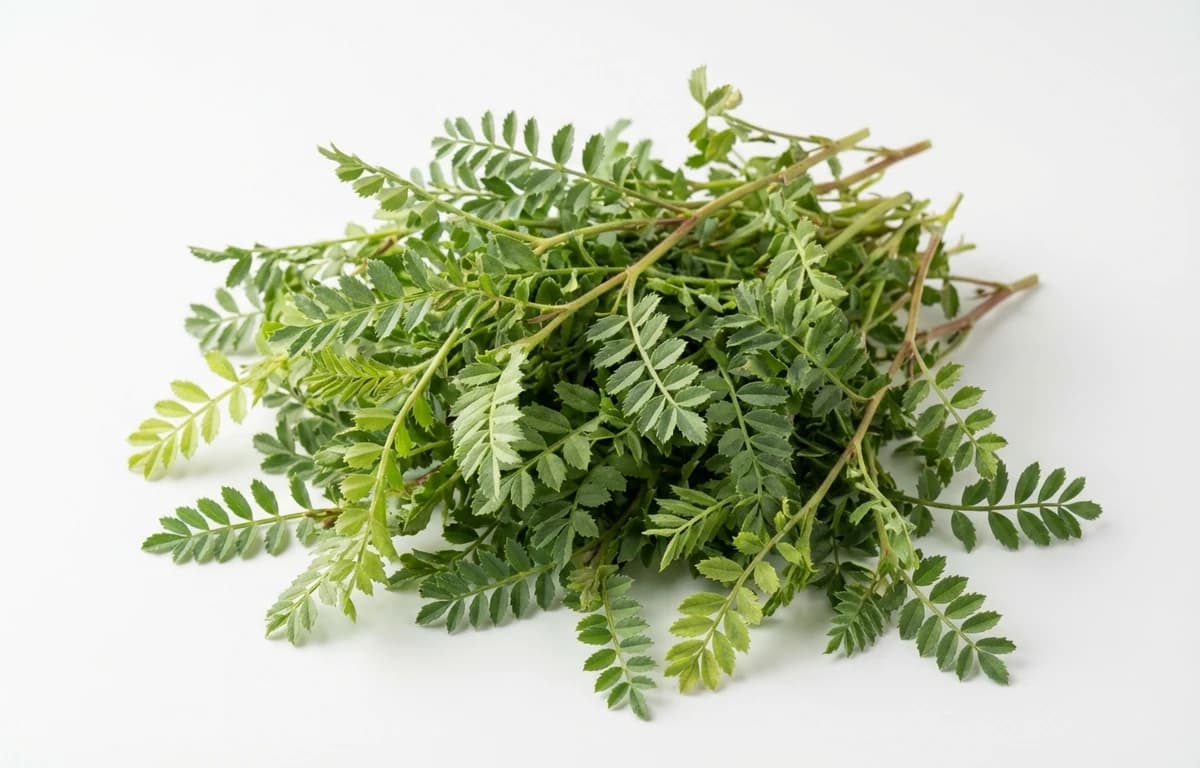
Fresh chickpea leaves should be bright green and relatively crisp. If the leaves become slimy, develop a dark brown or black color, or emit a sour, fermented odor, they have spoiled and should be discarded.
Yes, chickpea leaves are a good source of dietary fiber. This fiber aids in digestion, helps prevent constipation, and promotes a healthy gut microbiome by supporting beneficial bacteria.