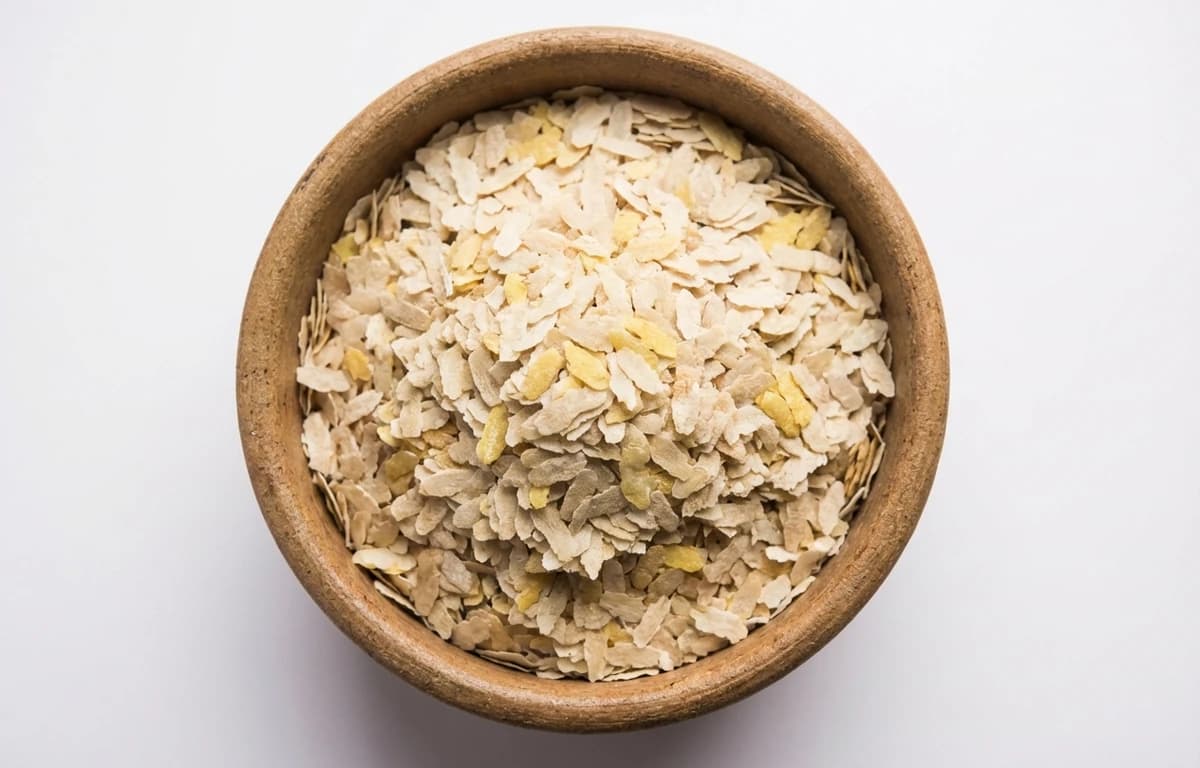
chura
Also known as:
Loading...
Also known as:
Per 100g
Nutrition data source: USDA FoodData Central
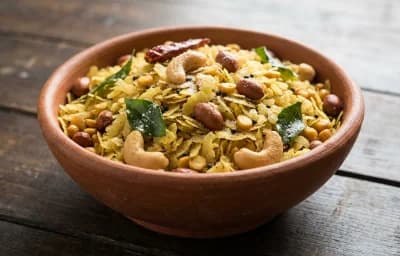
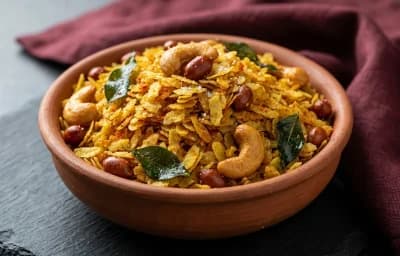
A classic crispy snack from Odisha made with fried flattened rice, peanuts, and fragrant curry leaves. This simple, savory mixture is incredibly addictive and comes together in minutes, perfect for tea time.
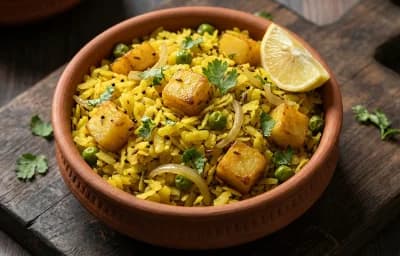
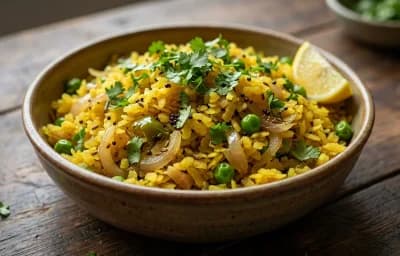
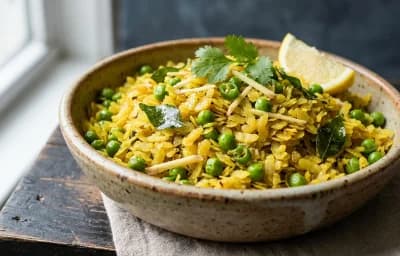
A light and savory snack from Bihar, this dish features flattened rice tossed with tender potatoes, sweet peas, and mild spices. It's a quick, wholesome, and satisfying breakfast or evening treat, ready in under 30 minutes.
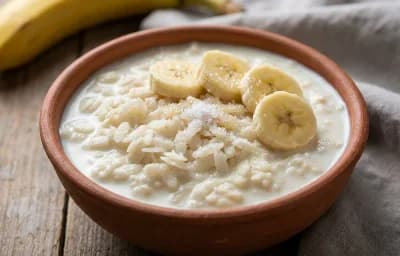
A cherished, no-cook Bihari breakfast, Dahi Chura combines soft flattened rice with creamy yogurt, sweet bananas, and a touch of jaggery. This refreshing and incredibly simple dish offers a wholesome, cooling start to the day, especially popular during festivals like Makar Sankranti.
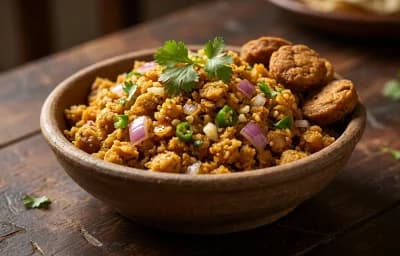
A crunchy, pungent side dish from Odisha made by crushing fried lentil dumplings with onion, garlic, and mustard oil. This rustic classic adds an incredible texture and flavor kick, perfect with Pakhala Bhat (fermented rice) or simple dal and rice.
Yes, chura is a healthy and nutrient-dense grain. It is a rich source of iron and carbohydrates, providing quick energy while being very easy to digest and naturally low in fat.
Per 100g, chura contains approximately 346 calories, 77.3g of carbohydrates, and 6.7g of protein. It is primarily a carbohydrate-based food with a very low fat content of about 1.8g.
Chura can be beneficial for weight loss because it is low in fat and relatively low in calories when compared to other processed grains. To maximize weight loss benefits, it should be cooked with plenty of fiber-rich vegetables and minimal oil.
Yes, chura is naturally gluten-free as it is made by flattening parboiled rice. This makes it a safe and excellent cereal choice for individuals with celiac disease or gluten intolerance.
Diabetics can eat chura, but it should be consumed in moderation due to its high carbohydrate content. It is best paired with high-fiber vegetables, nuts, or seeds to help slow down the absorption of sugar into the bloodstream.
To prepare chura, place it in a colander and rinse it under running water for about 30-60 seconds until it softens. Drain the excess water immediately and let it rest for a few minutes; avoid soaking it in a bowl of water as it will become mushy.
Chura has a very mild, neutral, and slightly nutty flavor. Its light texture allows it to easily absorb the flavors of spices, herbs, and sauces, making it a versatile base for both sweet and savory dishes.
chura is a versatile ingredient found in cuisines around the world. With 346 calories per 100g and 6.7 grams of protein, it's a nutritious addition to many dishes.
Explore more ingredients in the grain category with complete nutrition information.
View all grain →Yes, chura can be eaten raw after a quick rinse to soften it, often mixed with yogurt, milk, or jaggery. It can also be dry-roasted to create a crunchy snack without any water preparation.
Store chura in an airtight container in a cool, dry place away from direct sunlight and moisture. When kept dry, it has a long shelf life and can stay fresh for up to 6 to 12 months.
Chura is an ideal breakfast because it is 'light' on the digestive system and provides an immediate energy boost from healthy carbohydrates. It is also a good source of iron, which helps maintain energy levels throughout the morning.