
Other
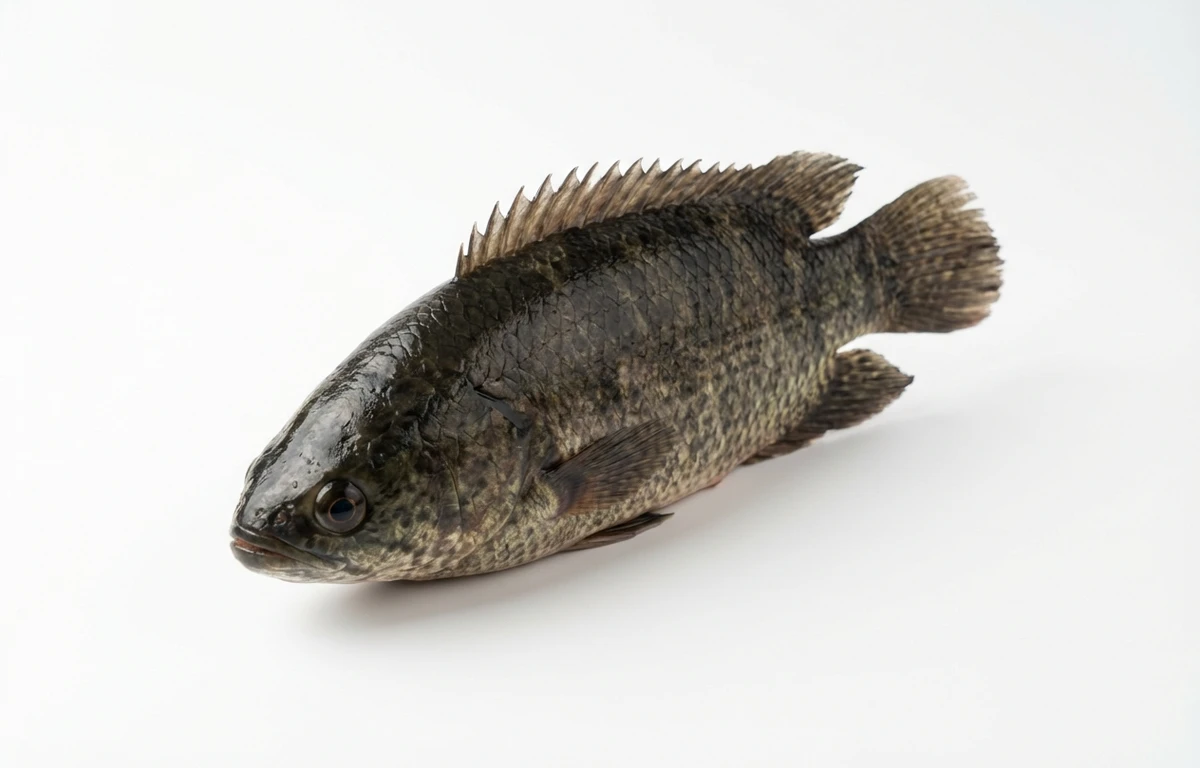
climbing perch.
VegetarianVeganGluten-freeDairy-freeNut-freePeanut-freeSoy-freeEgg-freeShellfish-freeHoney-freeAlcohol-free
ALSO KNOWN AS
anabas testudineuskoi machpuyukai fishkavaiwalking fish
SERVING
CALORIES
115
PROTEIN
19.5g
CARBS
0g
FAT
3.8g
FIBER
0g
NUTRITION PROFILE · per 100 g
Everything in this ingredient.
MACRONUTRIENTS
Calories115kcal—
Protein19.5g39%
Carbohydrates0g0%
Fiber0g0%
Sugar0g0%
Total fat3.8g5%
Saturated fat1.1g6%
Trans fat0g—
Cholesterol65mg22%
Water75.2g—
MINERALS
Sodium72mg3%
Potassium310mg7%
Calcium85mg7%
Iron1.8mg10%
Magnesium28mg7%
Phosphorus190mg15%
Zinc0.90mg8%
Copper0.05mg6%
Manganese0.02mg1%
Selenium12.5µg23%
VITAMINS
Vitamin A15µg2%
Vitamin C0mg0%
Vitamin D2.5µg13%
Vitamin E0.40mg3%
Vitamin K0.10µg0%
Thiamin (B1)0.08mg7%
Riboflavin (B2)0.12mg9%
Niacin (B3)2.4mg15%
Pantothenic acid (B5)0.50mg10%
Vitamin B60.20mg12%
Folate (B9)5.0µg1%
Vitamin B121.8µg75%
%DV based on a 2,000 cal diet. Source: USDA FoodData Central. A dash in the %DV column means there’s no established Daily Value for that nutrient.
MEASUREMENT CONVERSIONS
How much is what.
1 oz3.5g
1 lb0.2g
1 piece100g
HEALTH BENEFITS
Why eat it.
- ✓High quality lean protein source for muscle maintenance
- ✓Contains essential Omega-3 fatty acids for heart health
- ✓Good source of iron which helps prevent anemia
- ✓Rich in phosphorus and calcium for bone health
- ✓Provides Vitamin B12 for healthy nerve function
COOKING TIPS
In the kitchen.
- 1The scales are very tough; ensure they are thoroughly scraped off before cooking
- 2Best suited for deep-frying or spicy curries as the flesh holds its shape well
- 3Be cautious of the sharp dorsal spines and fine bones when preparing and eating
STORAGE
Keep it fresh.
- Store in the coldest part of the refrigerator for up to 2 days
- Freeze in airtight, vacuum-sealed bags for up to 3 months
- If fresh, keep on a bed of ice in the fridge to maintain quality
FAQ
Frequently asked questions.
What is climbing perch?
Climbing perch is a freshwater fish native to Asia, known for its ability to survive out of water for short periods and 'walk' across land using its pectoral fins.
How do I select the best climbing perch?
Look for fish with clear, bulging eyes, bright red gills, and firm flesh that springs back when pressed. It should have a fresh, mild scent.
What can I use as a substitute for climbing perch?
Tilapia, common perch, or small catfish are suitable substitutes as they have similar textures and flavor profiles.
How do I clean climbing perch?
Remove the tough scales using a scaler or knife, trim the sharp fins carefully, and remove the gills and internal organs before washing thoroughly.
Is climbing perch high in mercury?
As a freshwater fish that typically occupies lower trophic levels, it generally has lower mercury levels compared to large predatory marine fish.
Can climbing perch be frozen?
Yes, it freezes well. Clean the fish first, pat it dry, and wrap it tightly in plastic wrap or a freezer bag to prevent freezer burn.
What are common dishes made with climbing perch?
It is popular in Bengali cuisine as 'Koi Macher Jhol' (curry) and in Southeast Asian dishes where it is often grilled or fried with salt and turmeric.
Does climbing perch have many bones?
Yes, it contains many fine bones, so it requires careful eating, especially when served whole.
Is it suitable for a keto diet?
Yes, it is an excellent keto-friendly food as it is high in protein and contains zero carbohydrates.
How long does it take to cook?
When frying, it takes about 4-5 minutes per side. In a curry, it usually poaches to perfection in 8-10 minutes.



















