Loading...
Per 100g
Nutrition data source: USDA FoodData Central
Common measurement equivalents in grams
When stored in an airtight container in a cool, dry place, it lasts for 6 to 12 months.
No, semolina (suji) is made from wheat and contains gluten, while rice rava is made from rice and is gluten-free.
Yes, freezing in a sealed bag is an excellent way to prevent spoilage and keep it fresh for over a year.
Cream of rice or finely broken rice are the best substitutes. For non-gluten-free options, wheat semolina can be used.
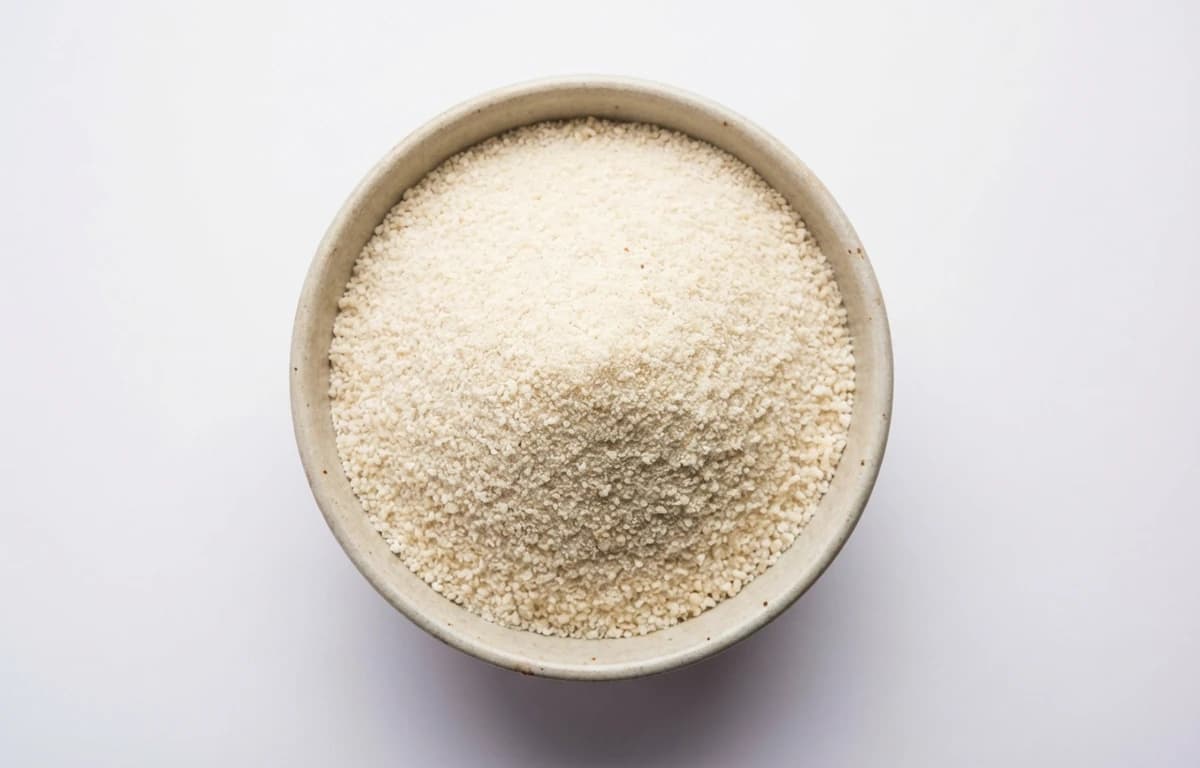
Look for a uniform coarse texture, a bright white color, and ensure there are no black specks or signs of moisture.
Generally, it does not need washing if it is packaged and clean, but you can rinse it quickly and drain if preferred.
It is high in carbohydrates and refined, so it should be consumed in moderation as part of a balanced diet.
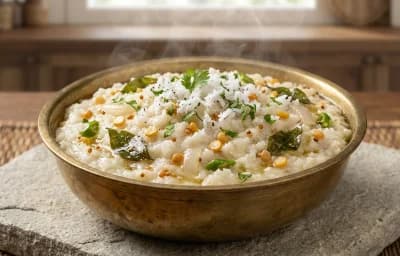
It is primarily used for making Idli, Upma, Puttu, Akki Rotti, and various South Indian snacks.
Yes, it is often used as one of the first solid foods because it is easy to digest and hypoallergenic.
Coarse Rice Rava is a versatile ingredient found in cuisines around the world. With 356 calories per 100g and 7.1 grams of protein, it's a nutritious addition to many dishes.
Explore more ingredients in the grain category with complete nutrition information.
View all grain →Discover 1 recipes featuring coarse rice rava with step-by-step instructions.
Browse recipes →