Loading...
Per 100g
Nutrition data source: USDA FoodData Central
Common measurement equivalents in grams
Yes, cooked turkey breast is an excellent source of lean protein, providing about 30g per 100g serving. It is low in fat and calories while being rich in B vitamins and selenium, which support energy metabolism and immune health.
A 100g serving of cooked turkey breast contains approximately 30.13 grams of protein. This high protein-to-calorie ratio makes it one of the most efficient sources of lean protein for muscle repair and growth.
Yes, it is highly effective for weight management because it is low in calories (147 per 100g) and high in protein. High-protein foods increase satiety, helping you feel full longer and reducing overall calorie intake.
Yes, cooked turkey breast is ideal for a ketogenic or low-carb diet as it contains 0g of carbohydrates. However, since it is very lean, keto followers may need to pair it with healthy fats like avocado or olive oil to meet their daily macro goals.
Plain cooked turkey breast is naturally gluten-free. However, if it has been processed, deli-sliced, or prepared with certain gravies, marinades, or stuffings, you must check the label for hidden gluten sources.
To maintain moisture, avoid overcooking by using a meat thermometer to reach an internal temperature of 165°F (74°C). Resting the meat for 10-15 minutes before slicing and storing it in its own juices or airtight containers also helps.
Cooked turkey breast can be safely stored in the refrigerator for 3 to 4 days when kept in an airtight container. For the best quality, ensure it is cooled and refrigerated within two hours of cooking.
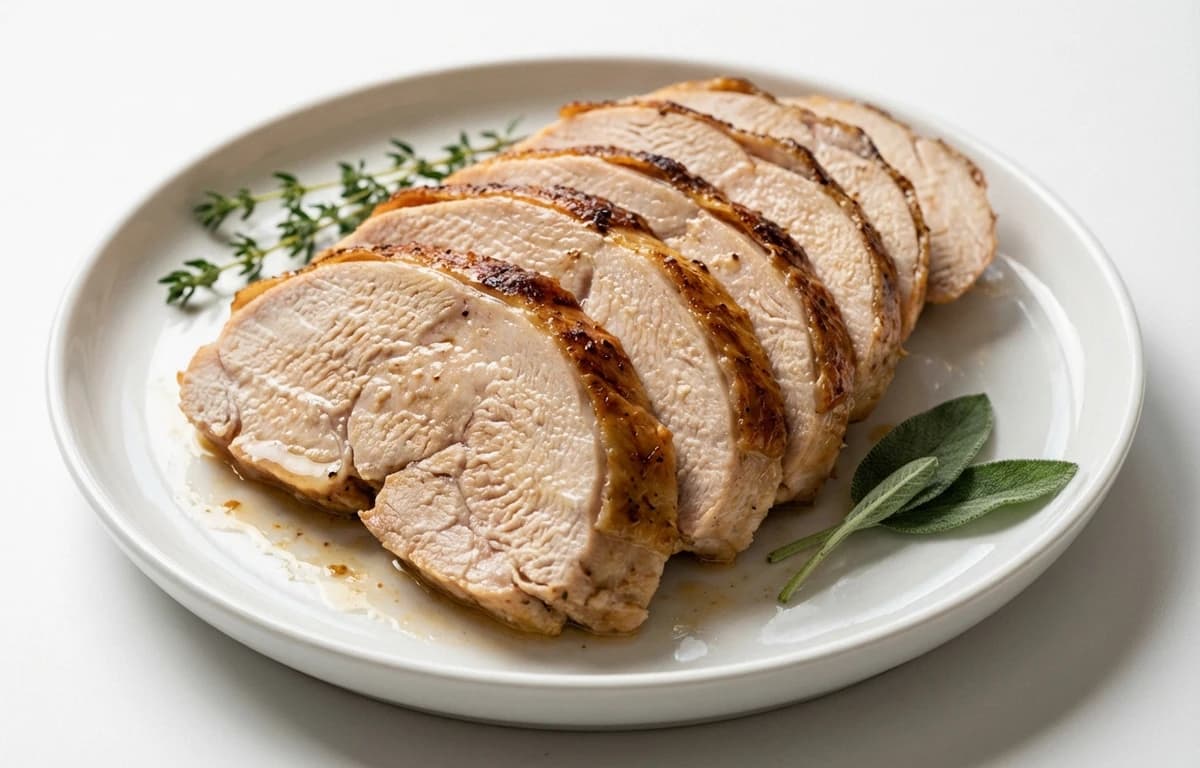
cooked turkey breast is a versatile ingredient found in cuisines around the world. With 147 calories per 100g and 30.13 grams of protein, it's a nutritious addition to many dishes.
Explore more ingredients in the protein category with complete nutrition information.
View all protein →Discover 2 recipes featuring cooked turkey breast with step-by-step instructions.
Browse recipes →Yes, cooked turkey breast freezes very well for up to 2-3 months. For best results, slice the meat first, wrap it tightly in foil or plastic wrap, and place it in a heavy-duty freezer bag to prevent freezer burn.
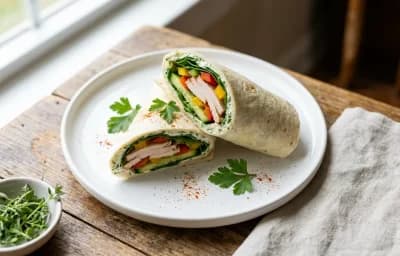
Leftover turkey is highly versatile and can be used in sandwiches, wraps, salads, or grain bowls. It also works well in hot dishes like turkey chili, soups, stews, or as a protein topping for pasta and stir-fries.
Both are excellent lean proteins, but turkey breast is often slightly lower in calories and fat while being slightly higher in protein. Turkey also typically contains more selenium and B vitamins, though the nutritional differences are relatively minor.