Other2 recipes
crab claws.
VegetarianVeganGluten-freeDairy-freeNut-freePeanut-freeSoy-freeEgg-freeShellfish-freeHoney-freeAlcohol-freeKosher
ALSO KNOWN AS
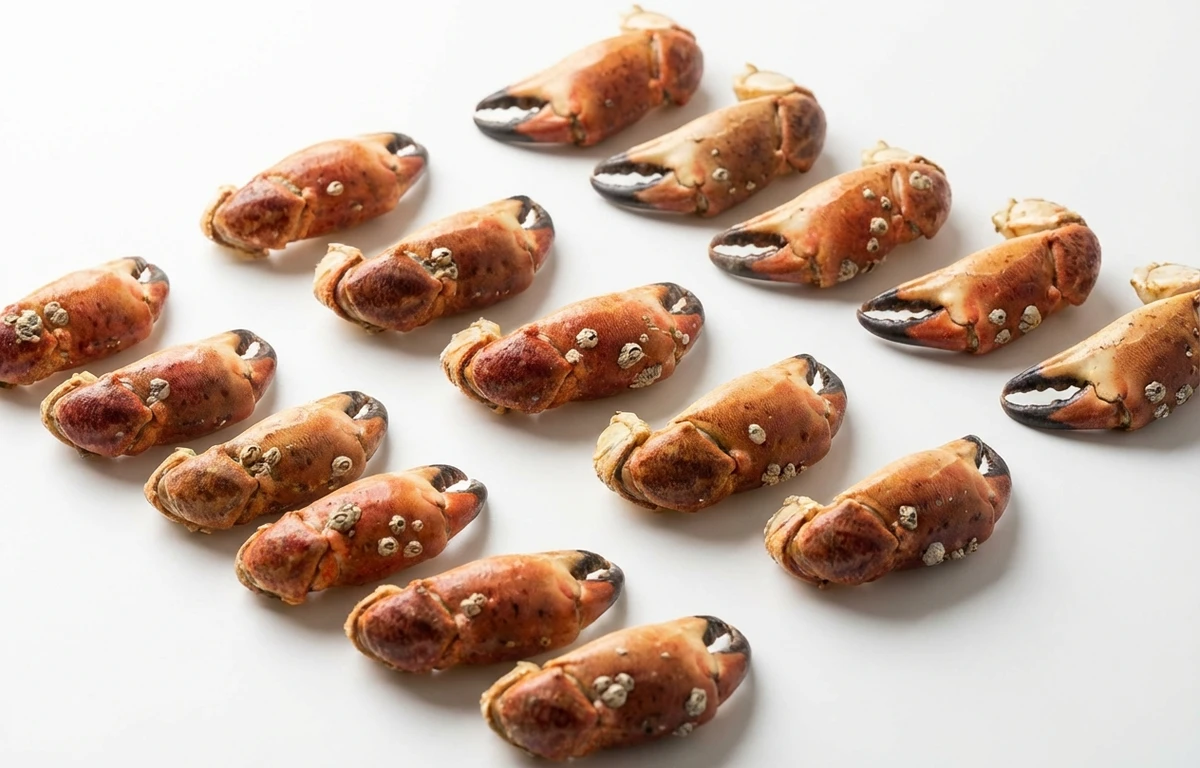
crab pincerscrab fingersJonah crabcrab clawsjonah crab claws
SERVING
CALORIES
87
PROTEIN
18.1g
CARBS
0g
FAT
1.1g
FIBER
0g
This ingredient is flagged as naturally gluten-free. Per 100 g, it provides 0 µg of vitamin K.
NUTRITION PROFILE · per 100 g
Everything in this ingredient.
MACRONUTRIENTS
Calories87kcal—
Protein18.1g36%
Carbohydrates0g0%
Fiber0g0%
Sugar0g0%
Total fat1.1g1%
Saturated fat0.20g1%
Trans fat0g—
Cholesterol78mg26%
Water79g—
MINERALS
Sodium311mg14%
Potassium329mg7%
Calcium89mg7%
Iron0.70mg4%
Magnesium34mg8%
Phosphorus229mg18%
Zinc3.5mg32%
Copper0.60mg67%
Manganese0.03mg1%
Selenium37.4µg68%
VITAMINS
Vitamin A0µg0%
Vitamin C3.3mg4%
Vitamin D0µg0%
Vitamin E1.5mg10%
Vitamin K0µg0%
Thiamin (B1)0.08mg7%
Riboflavin (B2)0.04mg3%
Niacin (B3)2.7mg17%
Pantothenic acid (B5)0.35mg7%
Vitamin B60.15mg9%
Folate (B9)44µg11%
Vitamin B129.0µg375%
%DV based on a 2,000 cal diet. Source: USDA FoodData Central. A dash in the %DV column means there’s no established Daily Value for that nutrient.
MEASUREMENT CONVERSIONS
How much is what.
1 oz28.4g
1 lb453.6g
1 piece45g
HEALTH BENEFITS
Why eat it.
- ✓Excellent source of high-quality lean protein
- ✓Rich in Vitamin B12 for nerve function and blood health
- ✓Contains Omega-3 fatty acids beneficial for heart health
COOKING TIPS
In the kitchen.
- 1Steam for 5-8 minutes until the meat is opaque and firm
- 2Avoid overcooking as the meat can become tough and rubbery
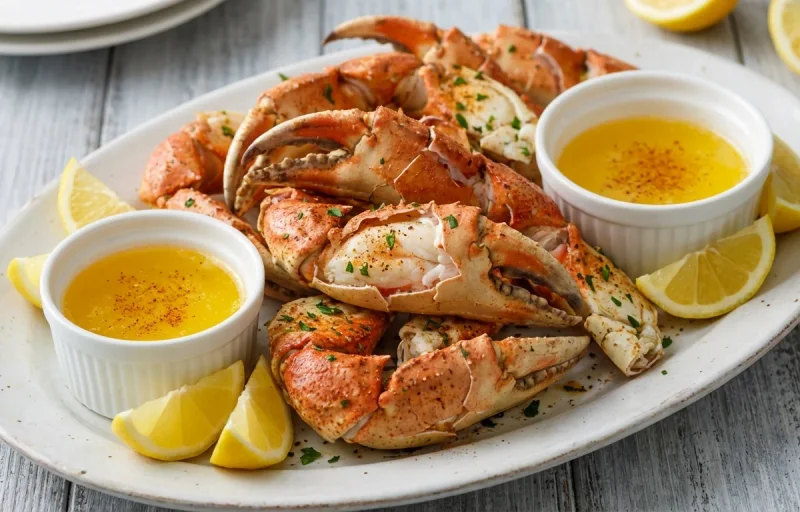
- 3Serve with simple accompaniments like melted butter, lemon, or garlic
STORAGE
Keep it fresh.
- Store raw claws on a bed of ice in the refrigerator
- Use fresh crab claws within 1 to 2 days of purchase
- Freeze in airtight containers or heavy-duty freezer bags for up to 3 months
FAQ
Frequently asked questions.
How long do fresh crab claws last in the fridge?
Fresh, raw crab claws should be consumed within 1-2 days. Keep them as cold as possible, ideally on ice.
Can I freeze crab claws?
Yes, you can freeze them. It is best to cook them slightly before freezing to preserve the texture, and they will last about 3 months.
How do I know if crab claws are fresh?
They should smell like the ocean or slightly salty. Any strong 'fishy' or ammonia-like smell indicates they are no longer fresh.
What is the best way to cook crab claws?
Steaming is the preferred method as it preserves the delicate flavor and moisture of the meat better than boiling.
What can I use as a substitute for crab claws?
Lobster claws, large shrimp, or high-quality imitation crab (surimi) can be used as alternatives in most recipes.
Are crab claws high in cholesterol?
They contain a moderate amount of cholesterol (about 78mg per 100g), but are very low in saturated fat.
How do I crack the shells without damaging the meat?
Use a dedicated nutcracker or a small wooden mallet to gently tap the shell until it cracks, then peel the pieces away by hand.
Are crab claws seasonal?
Availability depends on the specific crab species and local fishing regulations, but many varieties are available year-round through commercial fishing.
RECIPES
Cook with crab claws.
2 recipes · sorted by what’s quick