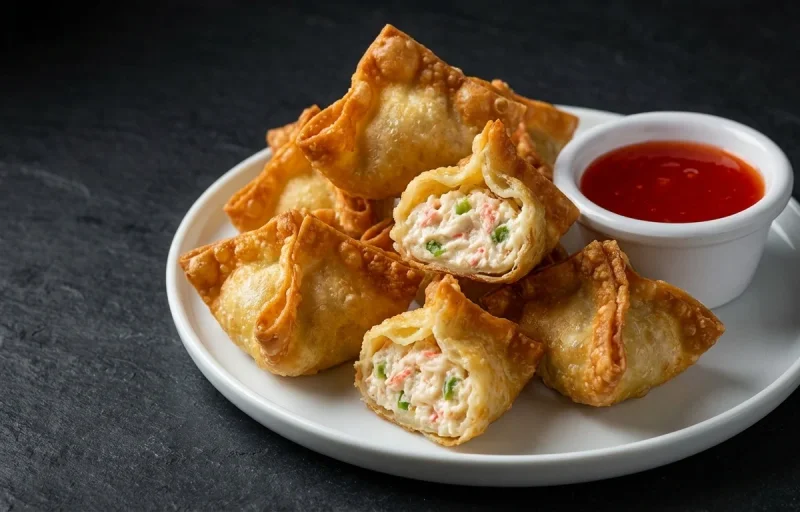
Other10 recipes
crab meat.
VegetarianVeganGluten-freeDairy-freeNut-freePeanut-freeSoy-freeEgg-freeShellfish-freeHoney-freeAlcohol-freeKosher
ALSO KNOWN AS
crabmeat
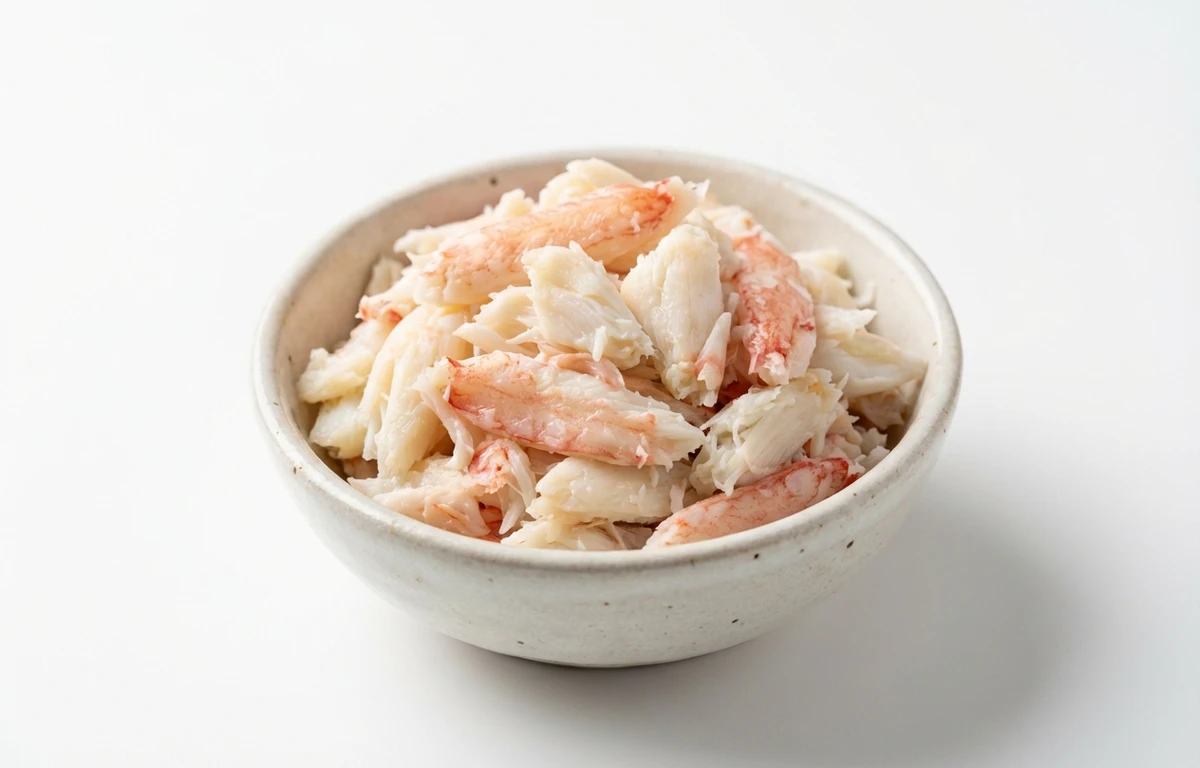
SERVING
CALORIES
87
PROTEIN
18.1g
CARBS
0g
FAT
1.1g
FIBER
0g
NUTRITION PROFILE · per 100 g
Everything in this ingredient.
MACRONUTRIENTS
Calories87kcal—
Protein18.1g36%
Carbohydrates0g0%
Fiber0g0%
Sugar0g0%
Total fat1.1g1%
Saturated fat0.20g1%
Trans fat0g—
Cholesterol78mg26%
Water79g—
MINERALS
Sodium293mg13%
Potassium262mg6%
Calcium89mg7%
Iron0.70mg4%
Magnesium34mg8%
Phosphorus229mg18%
Zinc3.5mg32%
Copper0.60mg67%
Manganese0.03mg1%
Selenium37.4µg68%
VITAMINS
Vitamin A1.0µg0%
Vitamin C3.3mg4%
Vitamin D0µg0%
Vitamin E1.5mg10%
Vitamin K0µg0%
Thiamin (B1)0.08mg7%
Riboflavin (B2)0.04mg3%
Niacin (B3)2.7mg17%
Pantothenic acid (B5)0.35mg7%
Vitamin B60.16mg9%
Folate (B9)44µg11%
Vitamin B129.0µg375%
%DV based on a 2,000 cal diet. Source: USDA FoodData Central. A dash in the %DV column means there’s no established Daily Value for that nutrient.
MEASUREMENT CONVERSIONS
How much is what.
1 cup136g
1 tablespoon8.5g
1 teaspoon2.8g
1 ml0.6g
1 liter566.7g
HEALTH BENEFITS
Why eat it.
- ✓Excellent source of high-quality, lean protein, essential for muscle building and repair.
- ✓Rich in omega-3 fatty acids, which support heart health by reducing inflammation and blood pressure.
- ✓High in minerals like selenium, zinc, and copper, which boost immune function and act as powerful antioxidants.
- ✓Provides significant amounts of Vitamin B12, crucial for nerve function and the formation of red blood cells.
COOKING TIPS
In the kitchen.
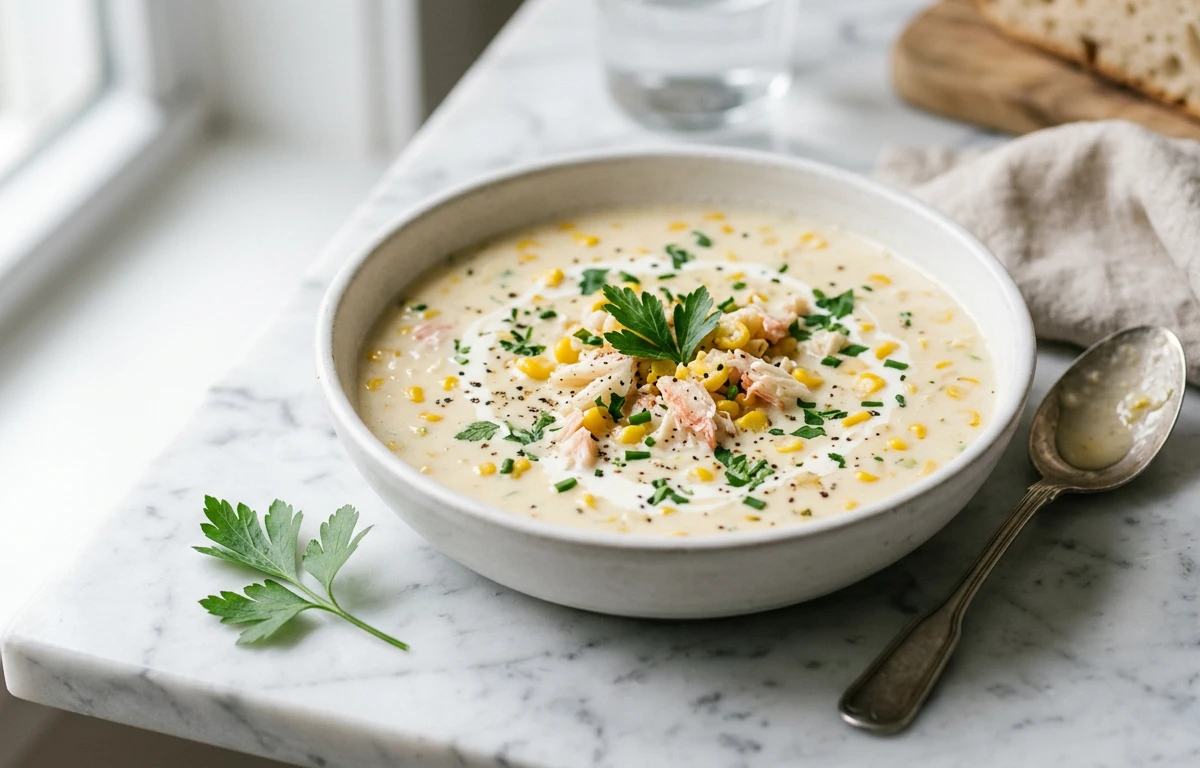
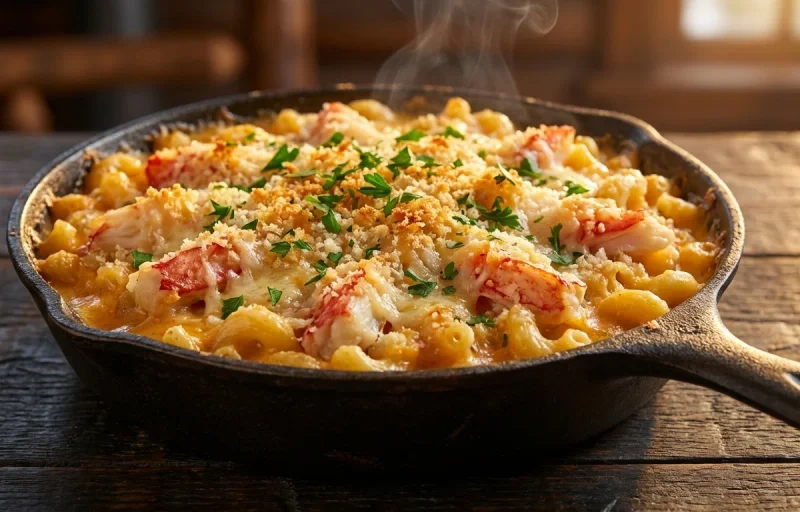
- 1Crab meat is delicate and cooks quickly. For hot dishes like soups or pastas, add it during the last few minutes of cooking to prevent it from becoming tough.
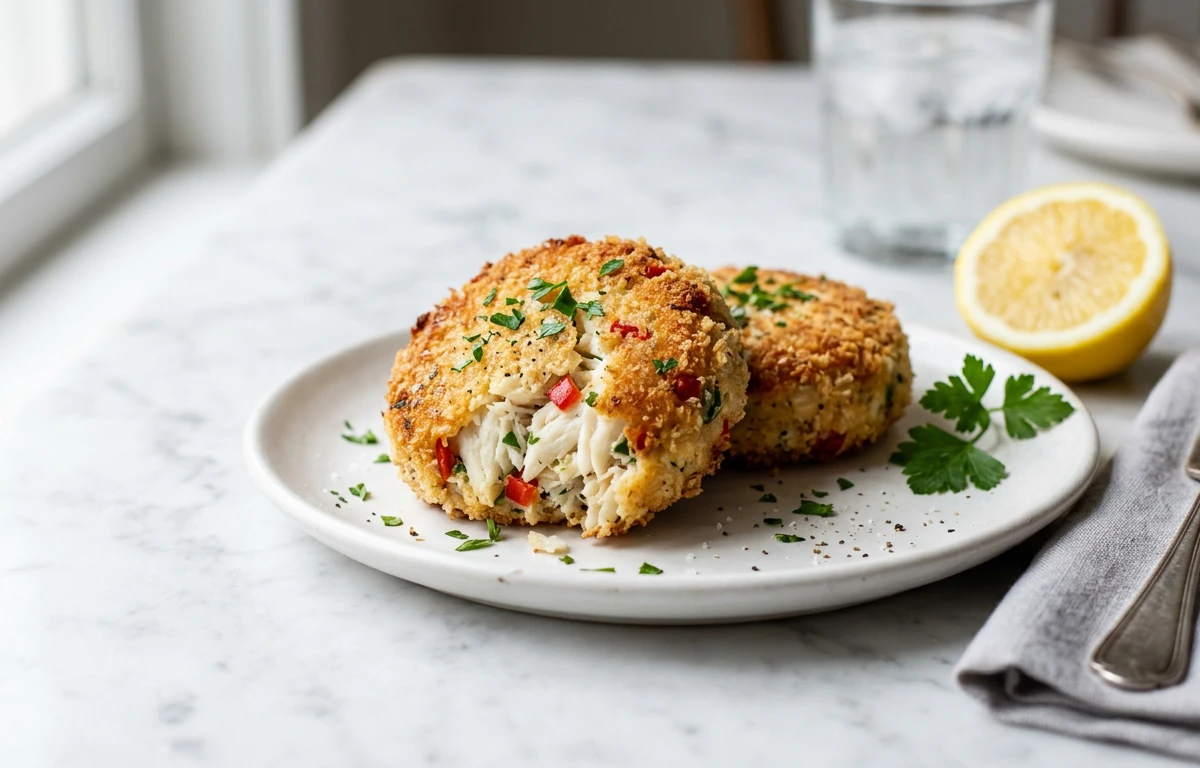
- 2When making crab cakes, gently fold in the crab meat with other ingredients to maintain its flaky texture. Avoid overmixing.
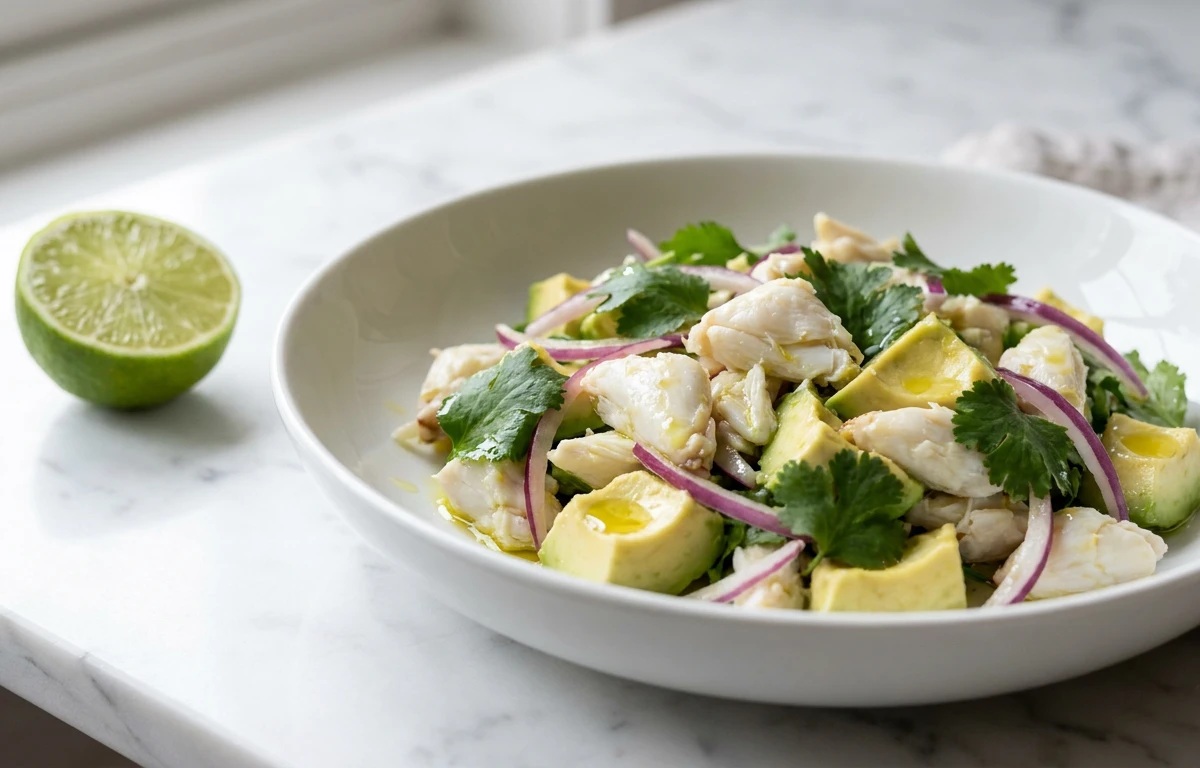
- 3The sweet flavor of crab is best highlighted in simple preparations. Serve it cold in salads with a light dressing, or warm with melted butter and a squeeze of lemon.
- 4For canned crab meat, drain it thoroughly and gently pat dry to remove excess liquid, which can make your dish watery.
STORAGE
Keep it fresh.
- Store fresh, uncooked crab meat in the coldest part of the refrigerator (below 40°F or 4°C) and consume within 1-2 days.
- Pasteurized crab meat can be kept refrigerated for several weeks if unopened; once opened, use within 3-5 days.
- Cooked crab meat can be frozen in an airtight container for up to 3 months. Thaw overnight in the refrigerator before use.
FAQ
Frequently asked questions.
Is crab meat healthy?
Yes, crab meat is a highly nutritious, lean protein source. It is low in fat and calories while being rich in heart-healthy omega-3 fatty acids, Vitamin B12, and essential minerals like selenium and zinc that support immune function.
Is crab meat good for weight loss?
Crab meat is excellent for weight loss because it is very low in calories (87 per 100g) and high in protein (18.1g). The high protein content helps promote satiety, keeping you full longer while helping to maintain lean muscle mass.
Is crab meat keto-friendly?
Yes, fresh crab meat is naturally keto-friendly as it contains zero carbohydrates. It is a great choice for low-carb diets, though you should be careful with 'imitation crab,' which often contains added starches and sugars.
Is crab meat gluten-free?
Pure, fresh crab meat is naturally gluten-free. However, processed versions like imitation crab (surimi) usually contain wheat-based binders and flavorings, so always check labels if you have a gluten sensitivity or celiac disease.
Is crab meat high in cholesterol?
Crab meat does contain dietary cholesterol, but it is very low in saturated fat. Most health experts agree that for most people, the heart-healthy omega-3 fatty acids found in crab provide benefits that outweigh the impact of its dietary cholesterol.
What does crab meat taste like?
Crab meat has a delicate, sweet, and slightly salty flavor with a tender, flaky texture. The taste can vary slightly by species, with Dungeness being notably sweet and King crab being rich and succulent.
How do you prepare and cook crab meat?
Fresh crab is most commonly steamed or boiled to preserve its delicate flavor. Once cooked, the meat can be eaten plain with melted butter, added to cold salads, or used as a base for crab cakes, bisques, and pasta dishes.
How long does fresh crab meat last in the refrigerator?
Fresh, cooked crab meat should be stored in an airtight container in the coldest part of the refrigerator and consumed within 2 to 3 days. For longer storage, it can be frozen for up to 3 months, though the texture may become slightly more fibrous.
How do you know if crab meat has gone bad?
Spoiled crab meat will have a strong, sour, or ammonia-like smell rather than a fresh, salty ocean scent. It may also feel slimy to the touch or show signs of gray or yellowish discoloration; if any of these signs are present, it should be discarded.
What are the main vitamins and minerals in crab meat?
Crab meat is an exceptional source of Vitamin B12, which is vital for nerve function and red blood cell formation. It also provides high levels of selenium, zinc, and copper, which boost immune function and act as powerful antioxidants.
RECIPES
Cook with crab meat.
10 recipes · sorted by what’s quick