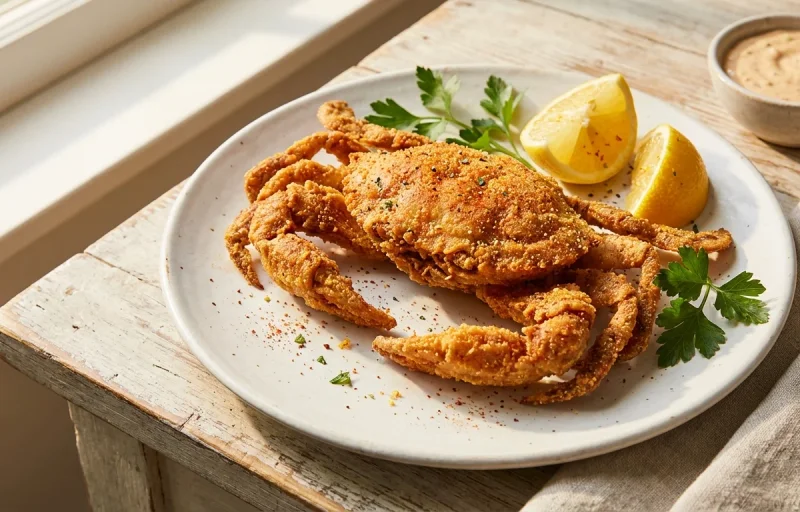
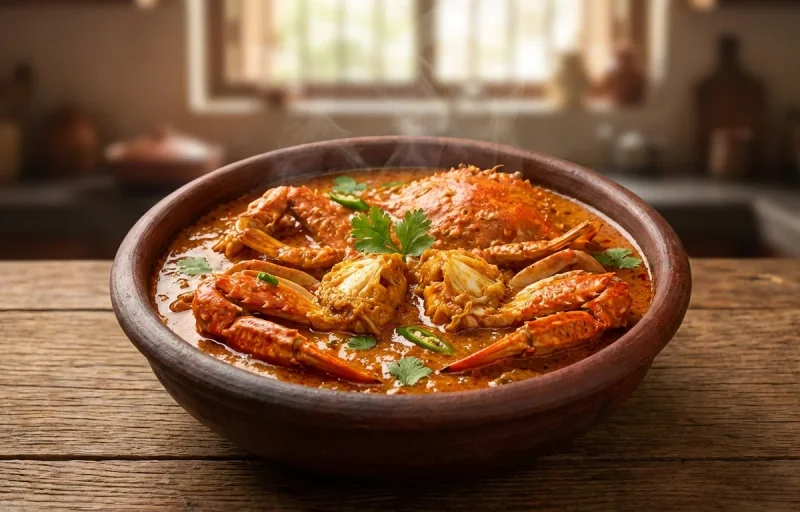
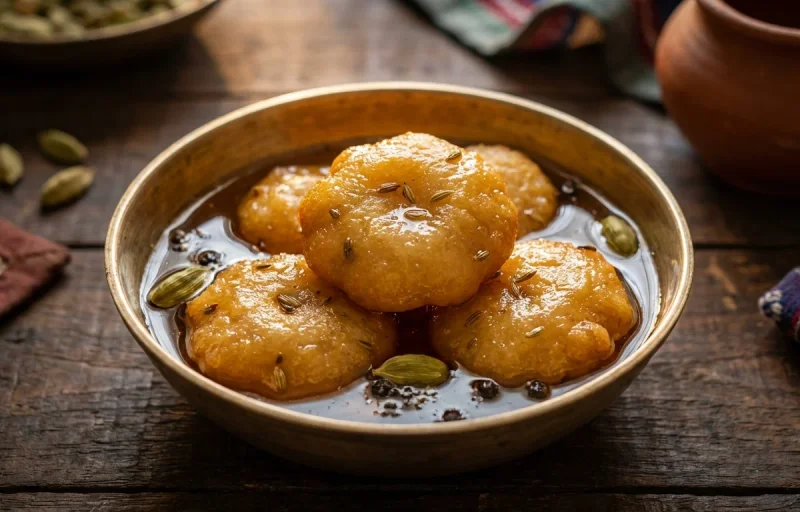
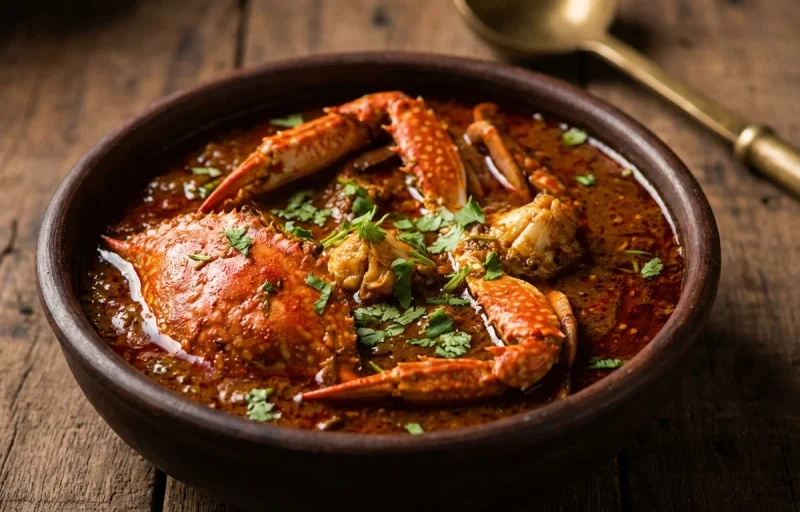
Other10 recipes
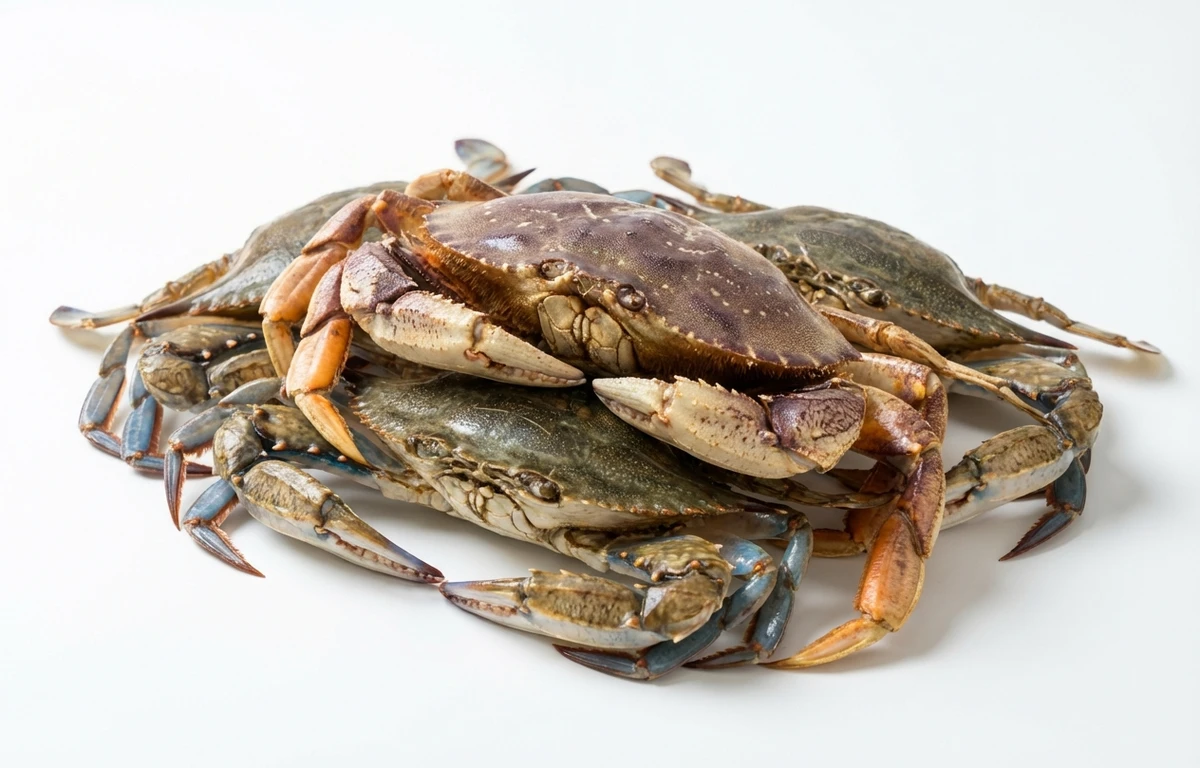
crabs.
VegetarianVeganGluten-freeDairy-freeNut-freePeanut-freeSoy-freeEgg-freeShellfish-freeHoney-freeAlcohol-freeKosher
ALSO KNOWN AS
crabkarkatakhekdakekda
SERVING
CALORIES
87
PROTEIN
18.1g
CARBS
0g
FAT
1.1g
FIBER
0g
This ingredient is flagged as naturally gluten-free. Per 100 g, it provides 0.10 µg of vitamin K.
NUTRITION PROFILE · per 100 g
Everything in this ingredient.
MACRONUTRIENTS
Calories87kcal—
Protein18.1g36%
Carbohydrates0g0%
Fiber0g0%
Sugar0g0%
Total fat1.1g1%
Saturated fat0.20g1%
Trans fat0g—
Cholesterol78mg26%
Water79g—
MINERALS
Sodium293mg13%
Potassium329mg7%
Calcium89mg7%
Iron0.70mg4%
Magnesium34mg8%
Phosphorus229mg18%
Zinc3.5mg32%
Copper0.60mg67%
Manganese0.03mg1%
Selenium37.4µg68%
VITAMINS
Vitamin A0µg0%
Vitamin C3.3mg4%
Vitamin D0µg0%
Vitamin E1.5mg10%
Vitamin K0.10µg0%
Thiamin (B1)0.08mg7%
Riboflavin (B2)0.04mg3%
Niacin (B3)2.7mg17%
Pantothenic acid (B5)0.35mg7%
Vitamin B60.15mg9%
Folate (B9)44µg11%
Vitamin B129.0µg375%
%DV based on a 2,000 cal diet. Source: USDA FoodData Central. A dash in the %DV column means there’s no established Daily Value for that nutrient.
MEASUREMENT CONVERSIONS
How much is what.
1 oz28.4g
1 lb453.6g
1 piece400g
HEALTH BENEFITS
Why eat it.
- ✓Excellent source of high-quality, lean protein essential for muscle building and repair.
- ✓Provides significant amounts of Vitamin B12, crucial for nerve function and the formation of red blood cells.
COOKING TIPS
In the kitchen.
- 1The most common methods for cooking whole crabs are steaming or boiling. Steam for 15-20 minutes or boil for 10-15 minutes, until the shell turns bright orange-red.
- 2Avoid overcooking crab meat, as it will become tough and rubbery. The meat is done when it is opaque and firm.
- 3When making crab cakes, use a gentle binder like egg or mayonnaise and minimal filler to highlight the delicate flavor of the crab.
- 4Sauté picked crab meat with garlic, butter, lemon juice, and fresh herbs for a simple and elegant dish to serve with pasta or on toast.
STORAGE
Keep it fresh.
- Store live crabs in a cool, damp environment (like a cooler with damp newspaper) and cook them the same day of purchase. Do not store them submerged in water.
- Cooked crab meat should be stored in an airtight container in the refrigerator and consumed within 3-4 days.
- For longer storage, freeze cooked crab meat in an airtight, freezer-safe container or bag for up to 3 months.
FAQ
Frequently asked questions.
Is crab keto-friendly?
Yes, crab is perfectly keto-friendly as it contains 0g of carbohydrates. It is a great source of high-quality protein for those on low-carb or ketogenic diets, though it is often paired with healthy fats like butter to meet keto macros.
Can people with high cholesterol eat crab?
While crab contains dietary cholesterol, it is very low in saturated fat. Most modern nutritional guidelines suggest that dietary cholesterol has a minimal impact on blood cholesterol for most people, making crab a heart-healthy protein choice when not smothered in butter.
How do you know when crab is fully cooked?
When cooking whole crabs, the shell will turn a bright, vibrant orange or red color. The meat inside should change from translucent to an opaque white and should be firm to the touch rather than soft or mushy.
What does crab taste like?
Crab has a distinctively sweet, delicate, and slightly salty flavor. The texture is generally tender and flaky, often described as a more flavorful and 'ocean-sweet' alternative to lobster or white fish.
How long does fresh crab last in the refrigerator?
Fresh, raw crab should ideally be cooked the day it is purchased. Once cooked, the meat can be stored in an airtight container in the coldest part of the refrigerator for 2 to 3 days.
How can you tell if crab has gone bad?
Spoiled crab will have a strong, pungent ammonia smell or a sour, 'fishy' odor. Additionally, the meat may feel slimy or sticky to the touch; if any of these signs are present, the crab should be discarded immediately.
Is crab high in mercury?
No, crabs are generally categorized as a 'Best Choice' by the FDA because they are low in mercury. They are considered safe for most people, including pregnant women, to consume 2-3 times per week.
RECIPES
Cook with crabs.
10 recipes · sorted by what’s quick