Other1 recipes
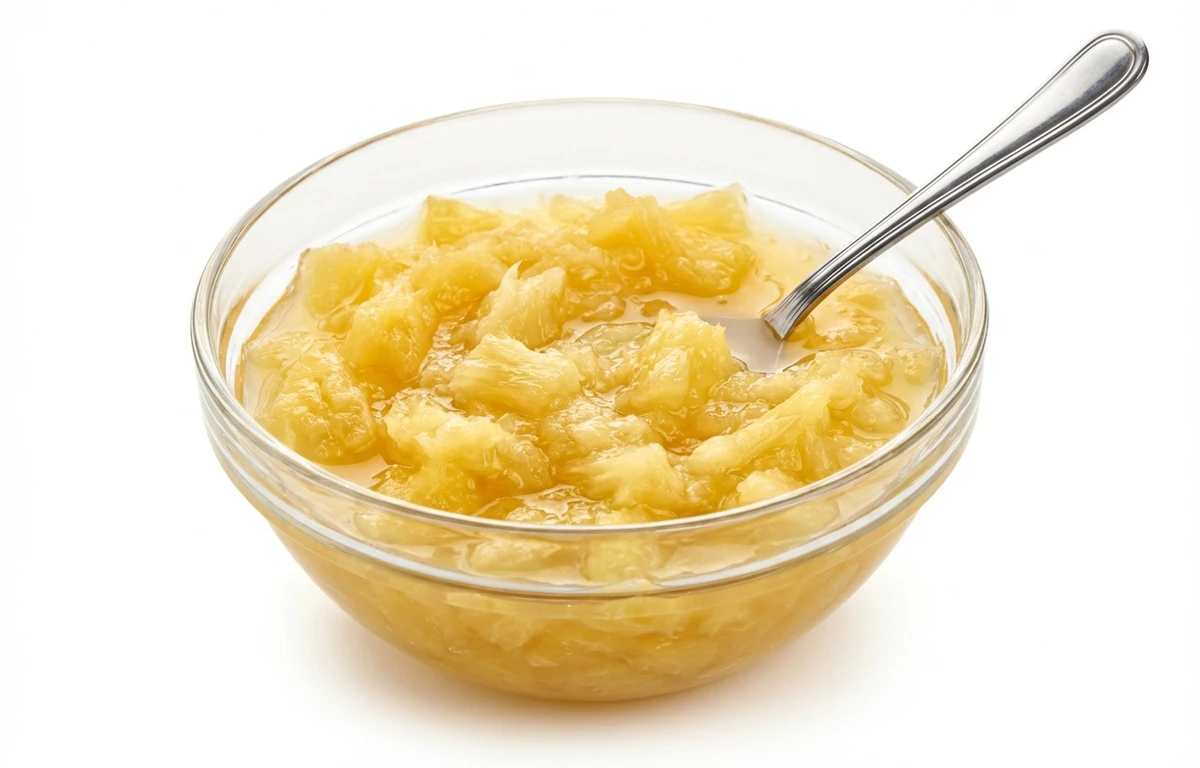
crushed pineapple.
VegetarianVeganGluten-freeDairy-freeNut-freePeanut-freeSoy-freeEgg-freeShellfish-freeHoney-freeAlcohol-free
ALSO KNOWN AS
pineapple crush
SERVING
CALORIES
60
PROTEIN
0.40g
CARBS
15.6g
FAT
0.10g
FIBER
1.0g
This ingredient is flagged as naturally gluten-free. Per 100 g, it provides 0.70 µg of vitamin K.
NUTRITION PROFILE · per 100 g
Everything in this ingredient.
MACRONUTRIENTS
Calories60kcal—
Protein0.40g1%
Carbohydrates15.6g6%
Fiber1.0g4%
Sugar12.9g26%
Total fat0.10g0%
Saturated fat0.01g0%
Trans fat0g—
Cholesterol0mg0%
Water83g—
MINERALS
Sodium1.0mg0%
Potassium121mg3%
Calcium13mg1%
Iron0.30mg2%
Magnesium12mg3%
Phosphorus8.0mg1%
Zinc0.10mg1%
Copper0.10mg11%
Manganese1.1mg48%
Selenium0.10µg0%
VITAMINS
Vitamin A3.0µg0%
Vitamin C9.4mg10%
Vitamin D0µg0%
Vitamin E0.02mg0%
Vitamin K0.70µg1%
Thiamin (B1)0.06mg5%
Riboflavin (B2)0.02mg2%
Niacin (B3)0.30mg2%
Pantothenic acid (B5)0.16mg3%
Vitamin B60.09mg5%
Folate (B9)11µg3%
Vitamin B120µg0%
%DV based on a 2,000 cal diet. Source: USDA FoodData Central. A dash in the %DV column means there’s no established Daily Value for that nutrient.
MEASUREMENT CONVERSIONS
How much is what.
1 cup250g
1 tablespoon15.7g
1 teaspoon5.2g
1 oz28.4g
1 lb453.6g
1 ml1.1g
1 liter1050g
HEALTH BENEFITS
Why eat it.
- ✓Contains Bromelain, an enzyme that aids protein digestion
- ✓Good source of dietary fiber for digestive regularity
COOKING TIPS
In the kitchen.
- 1Drain thoroughly in a fine-mesh sieve if using in baking to prevent sogginess
- 2Use the reserved juice as a natural sweetener for smoothies or cocktails
- 3Add to meat marinades as the bromelain helps tenderize tough proteins
STORAGE
Keep it fresh.
- Store unopened cans in a cool, dry place for up to 2 years
- Transfer opened pineapple to an airtight glass or plastic container
- Refrigerate opened pineapple and consume within 3 to 5 days
FAQ
Frequently asked questions.
How long does canned crushed pineapple last once opened?
Once opened, it should be transferred to a non-metallic airtight container and refrigerated. It will stay fresh for 3 to 5 days.
Can I freeze canned crushed pineapple?
Yes, you can freeze it in an airtight container or freezer bag for up to 6 months. Note that the texture may become slightly softer upon thawing.
Is it better to buy pineapple in juice or syrup?
Pineapple packed in its own juice is generally healthier as it contains no added refined sugars, whereas syrup-packed versions are much higher in calories.
Can I substitute fresh pineapple for canned crushed pineapple?
Yes, you can pulse fresh pineapple in a food processor until it reaches a crushed consistency. However, fresh pineapple contains more active bromelain, which may affect the setting of gelatin or the texture of some baked goods.
Do I need to wash canned pineapple?
No, there is no need to wash it. You only need to drain it if your recipe specifically calls for 'drained' pineapple.
What are common uses for crushed pineapple?
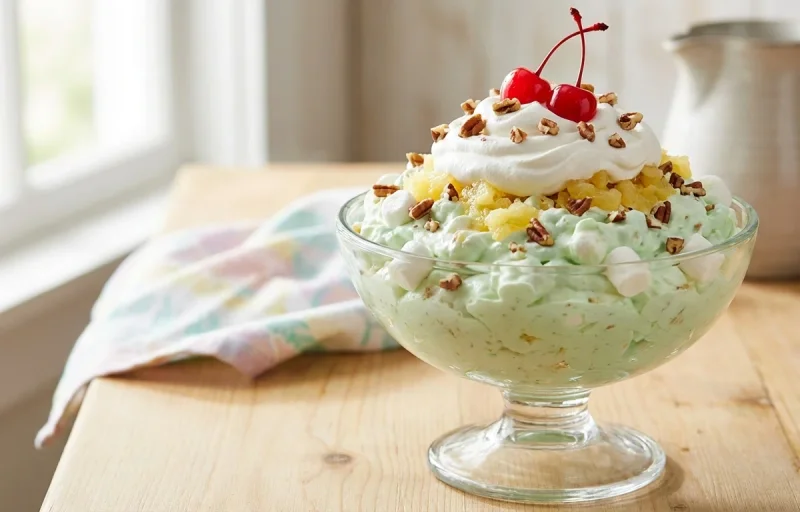
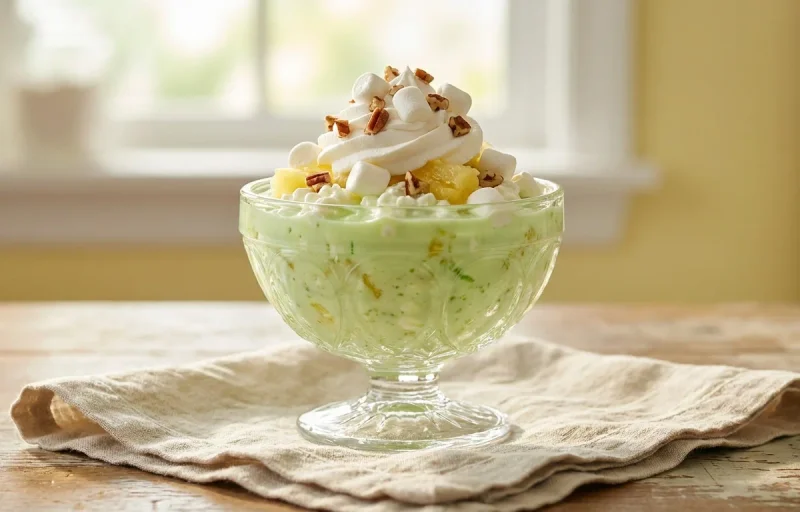
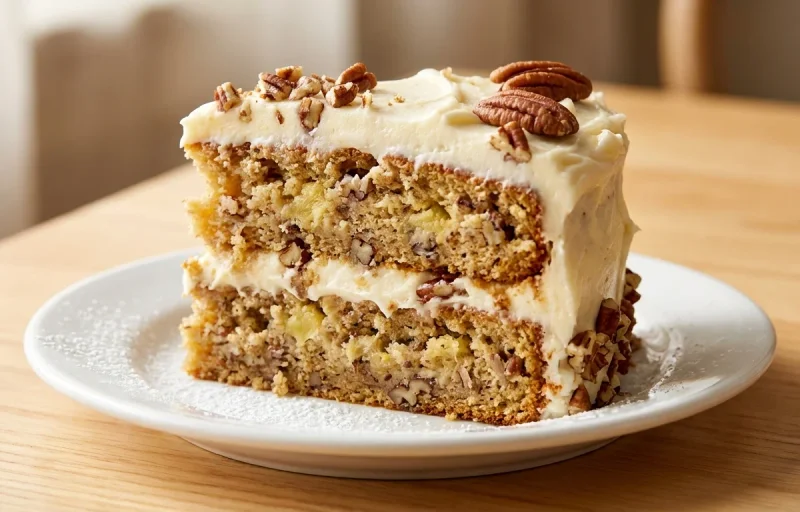
It is commonly used in Hummingbird cake, carrot cake, ambrosia salads, cottage cheese bowls, and as a topping for ham or pizza.
How can I tell if canned pineapple has gone bad?
Discard the product if the can is bulging, rusted, or severely dented. If opened, look for an off-smell, fermentation (bubbles), or visible mold.
RECIPES
Cook with crushed pineapple.
1 recipes · sorted by what’s quick