Grain5 recipes
crusty bread.
VegetarianVeganGluten-freeDairy-freeNut-freePeanut-freeSoy-freeEgg-freeShellfish-freeHoney-freeAlcohol-freeFermented
ALSO KNOWN AS
hard crust bread
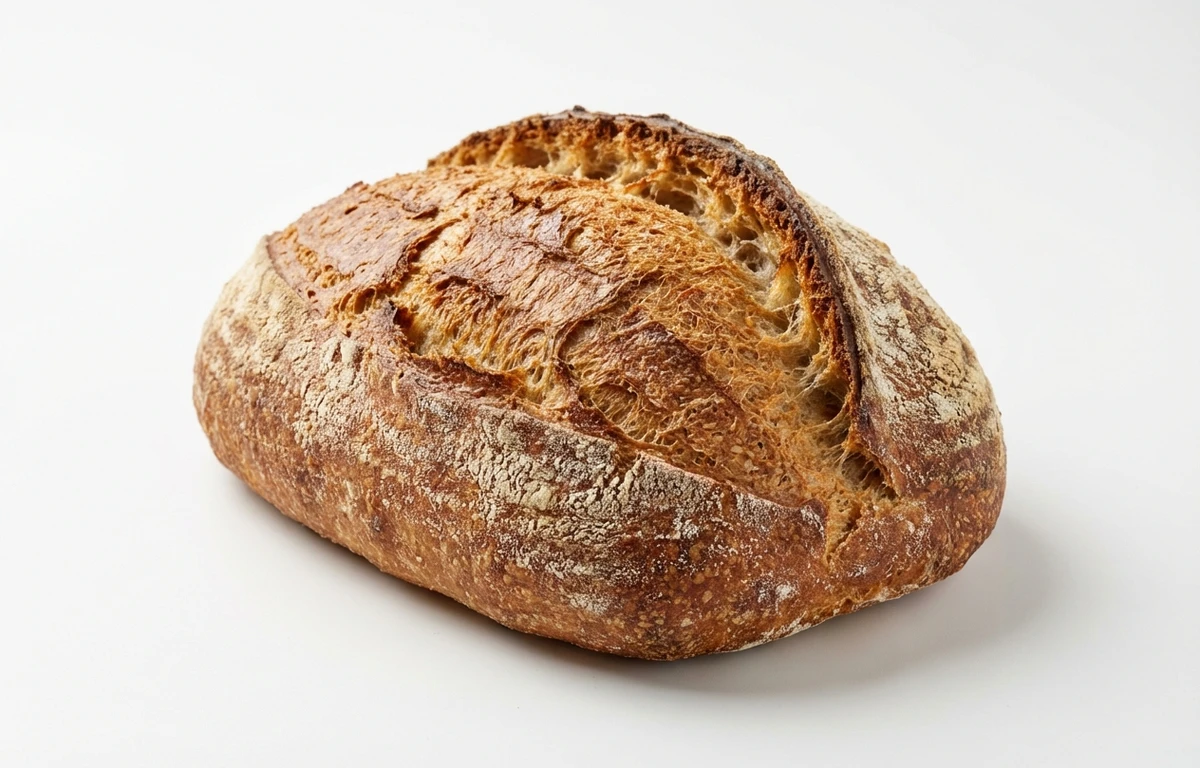
SERVING
CALORIES
270
PROTEIN
9.0g
CARBS
52g
FAT
3.0g
FIBER
2.5g
NUTRITION PROFILE · per 100 g
Everything in this ingredient.
MACRONUTRIENTS
Calories270kcal—
Protein9.0g18%
Carbohydrates52g19%
Fiber2.5g9%
Sugar4.5g9%
Total fat3.0g4%
Saturated fat0.70g3%
Trans fat0g—
Cholesterol0mg0%
Water37g—
MINERALS
Sodium300mg13%
Potassium110mg2%
Calcium110mg8%
Iron1.8mg10%
Magnesium25mg6%
Phosphorus105mg8%
Zinc0.80mg7%
VITAMINS
Vitamin A0µg0%
Vitamin C0mg0%
Vitamin D0µg0%
Vitamin K1.0µg1%
Thiamin (B1)2.0mg167%
Riboflavin (B2)0.30mg23%
Niacin (B3)3.8mg24%
Vitamin B60.10mg6%
%DV based on a 2,000 cal diet. Source: USDA FoodData Central. A dash in the %DV column means there’s no established Daily Value for that nutrient.
MEASUREMENT CONVERSIONS
How much is what.
1 oz28g
1 lb448g
1 piece200g
HEALTH BENEFITS
Why eat it.
- ✓Provides carbohydrates, the body's primary source of energy.
- ✓If made with whole grains, it is a good source of dietary fiber, which supports digestive health and satiety.
- ✓Often enriched with B vitamins like niacin, thiamin, and folate, which are crucial for energy metabolism.
- ✓Sourdough varieties, a type of crusty bread, may have a lower glycemic index and be easier to digest due to the fermentation process.
COOKING TIPS
In the kitchen.
- 1Revive a stale loaf by quickly running it under tap water and baking at 375°F (190°C) for 6-10 minutes until the crust is crisp.
- 2Cube and toast day-old bread with olive oil and herbs to make homemade croutons for salads and soups.
- 3Slice thickly and toast or grill to serve as a base for bruschetta, crostini, or avocado toast.
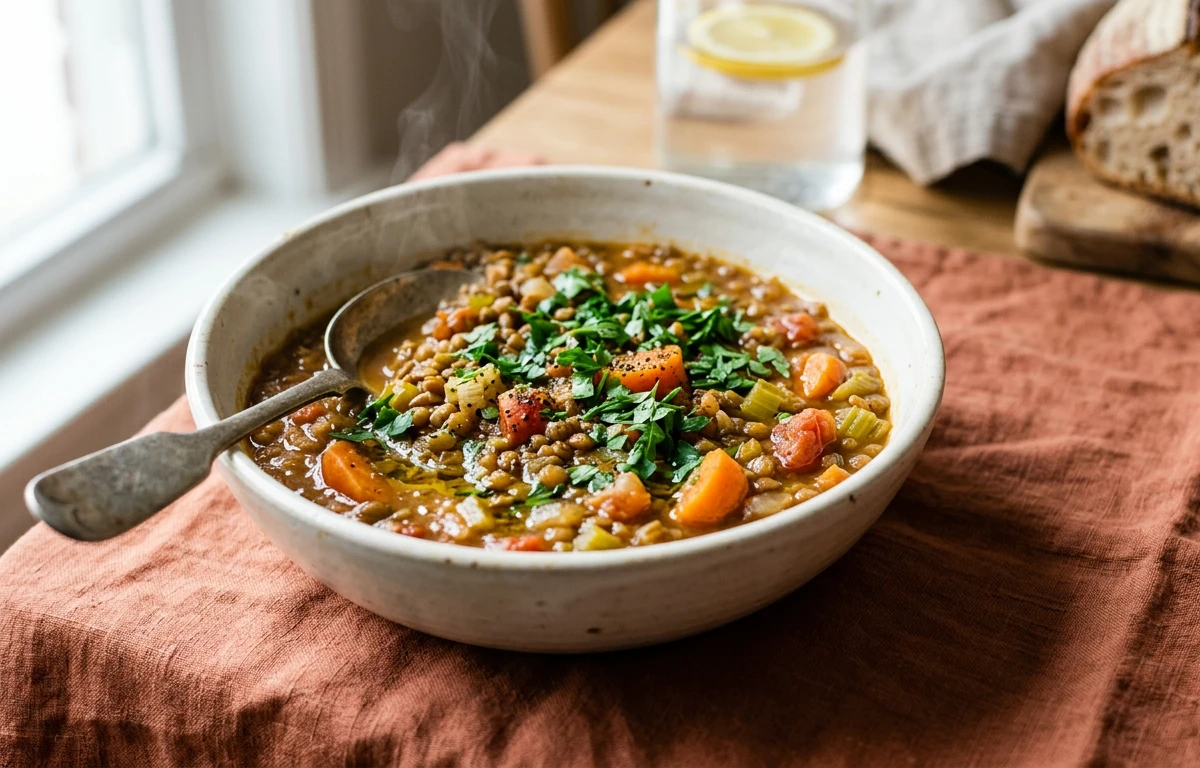
- 4Its sturdy texture makes it ideal for dipping into soups, stews, and olive oil, or for making panzanella (bread salad).
STORAGE
Keep it fresh.
- Store at room temperature in a paper bag or bread box for up to 2 days to maintain a crisp crust; avoid plastic bags which trap moisture.
- For longer storage (up to 3 months), slice the bread, place it in a freezer-safe airtight bag, and freeze. Toast slices directly from frozen.
FAQ
Frequently asked questions.
Is crusty bread healthy?
Crusty bread is a good source of complex carbohydrates for energy and provides essential B vitamins like niacin and thiamin. While white varieties are less nutrient-dense, whole-grain or sourdough versions offer more fiber and better digestive benefits. It is best enjoyed in moderation as part of a balanced diet.
How many calories and carbs are in crusty bread?
A 100g serving of crusty bread typically contains approximately 270 calories and 52g of carbohydrates. It also provides about 9g of protein and is relatively low in fat, containing roughly 3g per serving.
Is crusty bread vegan?
Most traditional crusty breads, such as baguettes, ciabatta, and sourdough, are vegan because they are made using only flour, water, salt, and yeast. However, some enriched varieties may contain milk, butter, or honey, so it is always best to check the ingredient list.
Is crusty bread gluten-free?
Standard crusty bread is made from wheat flour and contains gluten, making it unsuitable for those with celiac disease or gluten intolerance. Gluten-free versions are available but must be made with alternative flours like rice, almond, or gluten-free blends.
Is sourdough crusty bread easier to digest?
Yes, sourdough varieties undergo a fermentation process that helps break down gluten and phytic acid. This can make the bread easier on the digestive system and may result in a lower glycemic index compared to standard white bread.
How do you store crusty bread to keep it from getting soft?
Store crusty bread at room temperature in a paper bag to allow air circulation, which helps maintain the crispness of the crust. Avoid storing it in plastic bags, as they trap moisture and will cause the crust to become soft and chewy.
Can I freeze crusty bread?
Yes, crusty bread freezes well when wrapped tightly in foil or placed in a freezer-safe bag. To restore the original texture, thaw the bread and then bake it in a 350°F (175°C) oven for 5-10 minutes to recrisp the crust.
How do you refresh stale crusty bread?
To revive a stale loaf, lightly mist the crust with water and place it in a preheated oven at 350°F (175°C) for about 5 to 10 minutes. The moisture creates steam that softens the inside while the heat recrisps the exterior.
Is crusty bread good for weight loss?
Crusty bread can be part of a weight loss plan if portion sizes are controlled, as it is calorie-dense. Choosing whole-grain versions is more beneficial for weight management because the higher fiber content promotes satiety and keeps you feeling full longer.
What are the best ways to use crusty bread in cooking?
Its sturdy structure makes it ideal for dipping into soups and stews, making bruschetta, or serving as a base for open-faced sandwiches. It is also the preferred choice for making French toast, bread pudding, or homemade croutons.
RECIPES
Cook with crusty bread.
5 recipes · sorted by what’s quick