Spice10 recipes
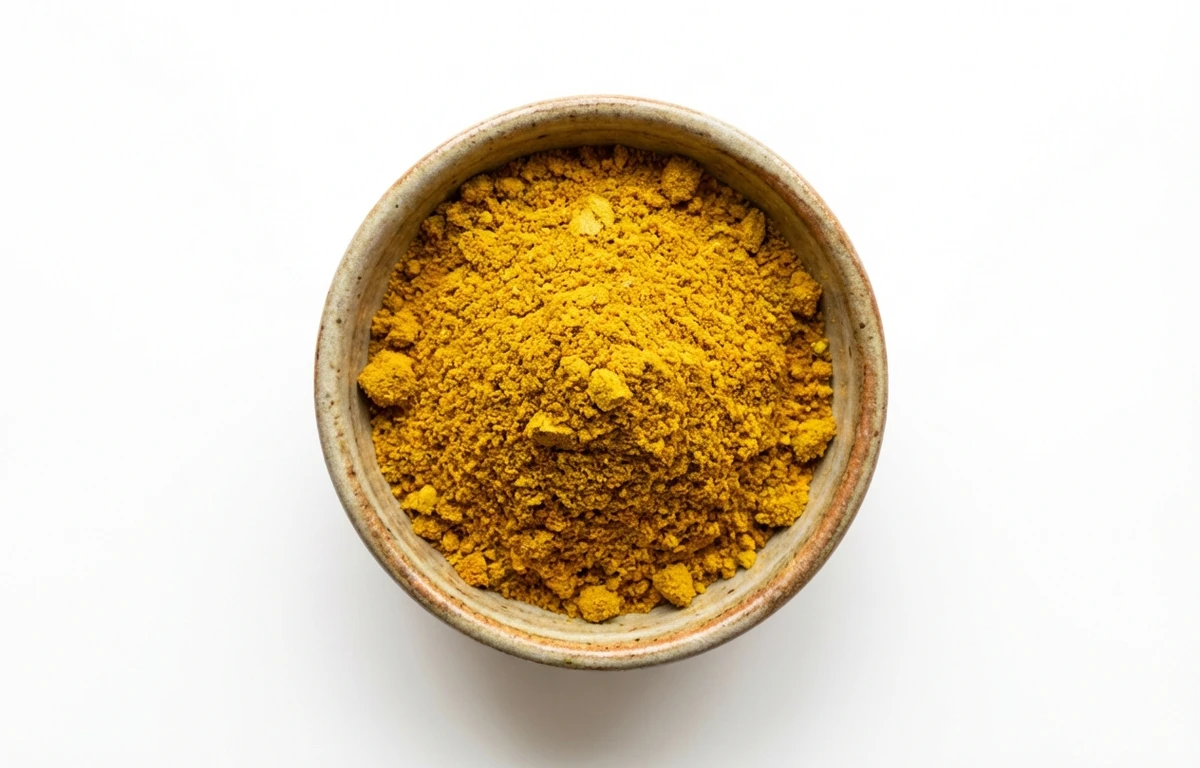
curry powder.
VegetarianVeganGluten-freeDairy-freeNut-freePeanut-freeSoy-freeEgg-freeShellfish-freeHoney-freeAlcohol-free
ALSO KNOWN AS
madras powdercurry blend
SERVING
CALORIES
408
PROTEIN
12.7g
CARBS
58.2g
FAT
13.8g
FIBER
33.2g
NUTRITION PROFILE · per 100 g
Everything in this ingredient.
MACRONUTRIENTS
Calories408kcal—
Protein12.7g25%
Carbohydrates58.2g21%
Fiber33.2g119%
Sugar2.8g6%
Total fat13.8g18%
Saturated fat2.2g11%
Trans fat0g—
Cholesterol0mg0%
Water8.8g—
MINERALS
Sodium52mg2%
Potassium1541mg33%
Calcium478mg37%
Iron29.6mg164%
Magnesium254mg60%
Phosphorus350mg28%
Zinc4.7mg43%
Copper0.80mg89%
Manganese4.5mg196%
Selenium17µg31%
VITAMINS
Vitamin A0µg0%
Vitamin C11.4mg13%
Vitamin D0µg0%
Vitamin E22mg147%
Vitamin K99.8µg83%
Thiamin (B1)0.18mg15%
Riboflavin (B2)0.20mg15%
Niacin (B3)3.5mg22%
Pantothenic acid (B5)0.80mg16%
Vitamin B60.10mg6%
Folate (B9)56µg14%
Vitamin B120µg0%
%DV based on a 2,000 cal diet. Source: USDA FoodData Central. A dash in the %DV column means there’s no established Daily Value for that nutrient.
MEASUREMENT CONVERSIONS
How much is what.
1 cup100g
1 tablespoon6g
1 teaspoon2g
1 oz28.4g
1 lb453.6g
1 ml0.4g
1 liter420g
HEALTH BENEFITS
Why eat it.
- ✓Contains curcumin which has potent anti-inflammatory properties
- ✓Rich in antioxidants that protect against cellular damage
- ✓May improve heart health by reducing triglyceride levels
- ✓Supports digestive health through stimulating bile production
- ✓Potential antibacterial properties from ingredients like coriander
COOKING TIPS
In the kitchen.
- 1Bloom the powder in hot oil or ghee for 30 seconds to release fat-soluble flavors
- 2Add early in the cooking process to allow the spices to mellow and integrate
- 3Be careful not to burn the powder as it can turn bitter very quickly
STORAGE
Keep it fresh.
- Store in an airtight container in a cool, dark, and dry place
- Keep away from direct sunlight to prevent the oils from degrading
- Avoid storing above the stove as heat reduces potency and flavor
FAQ
Frequently asked questions.
How long does curry powder last?
It typically stays fresh for 1 to 3 years if stored properly, though it loses its aromatic potency over time.
Is curry powder the same as garam masala?
No, curry powder usually contains turmeric and is intended to be cooked into a dish, while garam masala is often added at the end for aroma.
What is a good substitute for curry powder?
A mix of cumin, coriander, and turmeric (with a pinch of chili powder) is the best alternative.
Is curry powder spicy?
It varies by brand; 'Mild' versions have little heat, while 'Madras' or 'Hot' versions contain more dried chilies.
Does curry powder contain gluten?
Pure spices are gluten-free, but some commercial blends use flour as an anti-caking agent, so check the label.
Can I freeze curry powder?
Yes, you can freeze it in an airtight container to extend its shelf life, but ensure no moisture gets inside.
Why is my curry powder bitter?
It may be old, or it may have been scorched in hot oil during the cooking process.
How do I know if my curry powder is still good?
Rub a small amount between your fingers; if the aroma is weak or non-existent, the spice has lost its flavor.
RECIPES
Cook with curry powder.
10 recipes · sorted by what’s quick