Other4 recipes
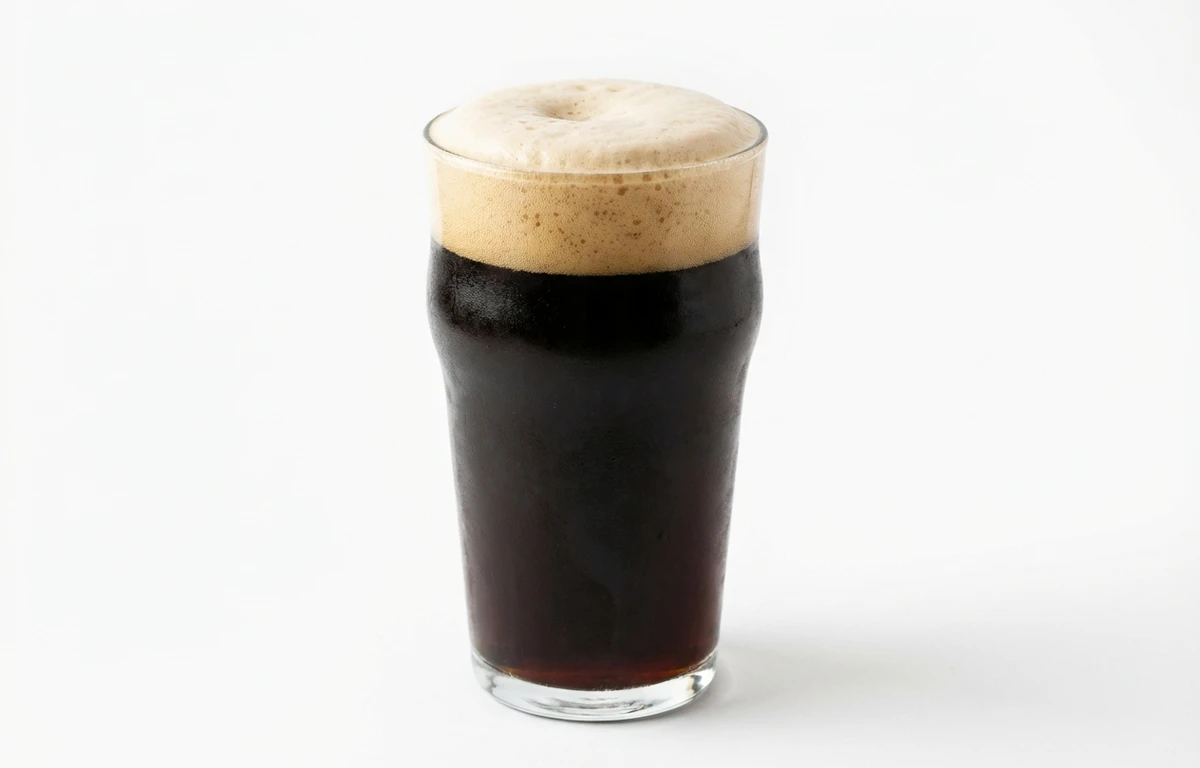
dark beer.
VegetarianVeganGluten-freeDairy-freeNut-freePeanut-freeSoy-freeEgg-freeShellfish-freeHoney-freeAlcohol-freeHalalFermented
ALSO KNOWN AS
black beer
SERVING
CALORIES
46
PROTEIN
0.30g
CARBS
3.8g
FAT
0g
FIBER
0g
Per 100 g, it provides 0 µg of vitamin K.
NUTRITION PROFILE · per 100 g
Everything in this ingredient.
MACRONUTRIENTS
Calories46kcal—
Protein0.30g1%
Carbohydrates3.8g1%
Fiber0g0%
Sugar0.10g0%
Total fat0g0%
Saturated fat0g0%
Trans fat0g—
Cholesterol0mg0%
Water92g—
MINERALS
Sodium4.0mg0%
Potassium27mg1%
Calcium4.0mg0%
Iron0.02mg0%
Magnesium6.0mg1%
Phosphorus14mg1%
Zinc0.01mg0%
Copper0.01mg1%
Manganese0.01mg0%
Selenium0.40µg1%
VITAMINS
Vitamin A0µg0%
Vitamin C0mg0%
Vitamin D0µg0%
Vitamin E0mg0%
Vitamin K0µg0%
Thiamin (B1)0.01mg1%
Riboflavin (B2)0.03mg2%
Niacin (B3)0.51mg3%
Pantothenic acid (B5)0.04mg1%
Vitamin B60.04mg2%
Folate (B9)6.0µg2%
Vitamin B120.02µg1%
%DV based on a 2,000 cal diet. Source: USDA FoodData Central. A dash in the %DV column means there’s no established Daily Value for that nutrient.
MEASUREMENT CONVERSIONS
How much is what.
1 cup242g
1 tablespoon15g
1 teaspoon5g
1 oz28.4g
1 lb453.6g
1 ml1g
1 liter1010g
HEALTH BENEFITS
Why eat it.
- ✓Source of dietary silicon which may support bone density
- ✓Provides small amounts of B vitamins
- ✓May support cardiovascular health when consumed in moderation
- ✓Contains soluble fiber from malted barley
COOKING TIPS
In the kitchen.
- 1Excellent for deglazing pans to create rich, savory sauces
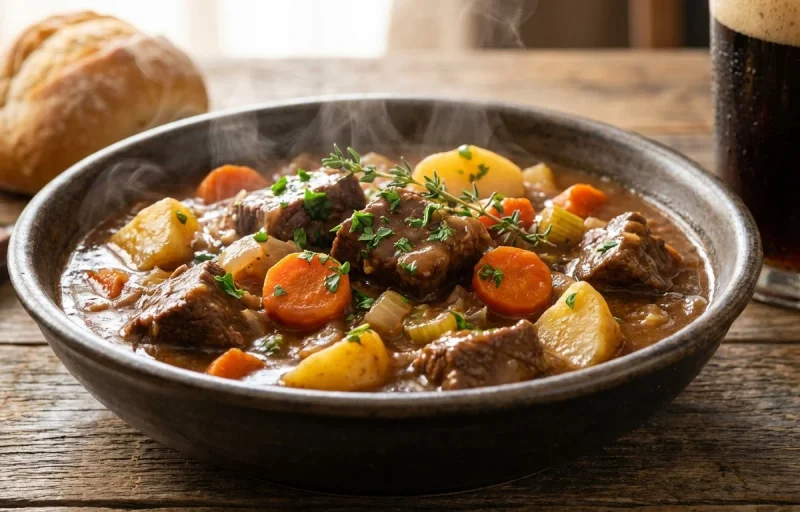
- 2Use as a liquid base for slow-cooked stews like beef carbonnade
- 3Incorporate into batters for fried foods to achieve a light, crispy texture
STORAGE
Keep it fresh.
- Store in a cool, dark place away from direct sunlight
- Keep bottles upright to minimize oxidation
- Once opened, consume within 24 hours for best flavor and carbonation
FAQ
Frequently asked questions.
How long does dark beer last unopened?
Most dark beers last 6 to 9 months past the bottling date if stored in a cool, dark place.
Is dark beer vegan?
Not necessarily. Many traditional dark beers use fining agents like isinglass (fish bladder) or gelatin for clarification.
What is a good non-alcoholic substitute for dark beer in cooking?
Beef broth, mushroom stock, or non-alcoholic dark beer are excellent substitutes for maintaining depth of flavor.
Does dark beer contain gluten?
Yes, dark beer is typically brewed from barley or wheat, both of which contain gluten.
What is the best temperature to serve dark beer?
Dark beers are best served slightly warmer than light lagers, typically between 10-13°C (50-55°F), to release their complex aromas.
Can I freeze dark beer for later use?
Freezing is not recommended as it destroys carbonation and can cause the container to burst; however, flat beer can be frozen in ice trays for future cooking use.
How do I choose a good dark beer for cooking?
Look for beers with chocolate or coffee notes for desserts, and malty, less bitter varieties for savory stews.
Why is dark beer dark?
The color comes from the use of roasted malts; the longer the malt is roasted, the darker the resulting beer.
RECIPES
Cook with dark beer.
4 recipes · sorted by what’s quick