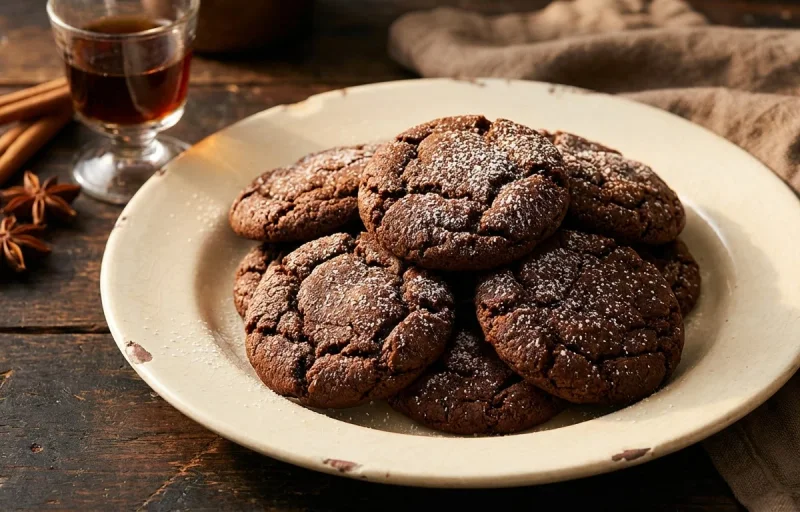
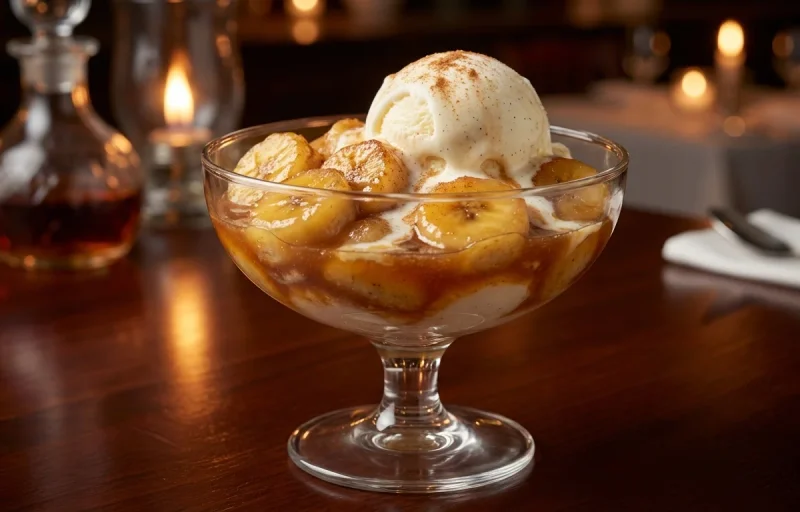
Other3 recipes
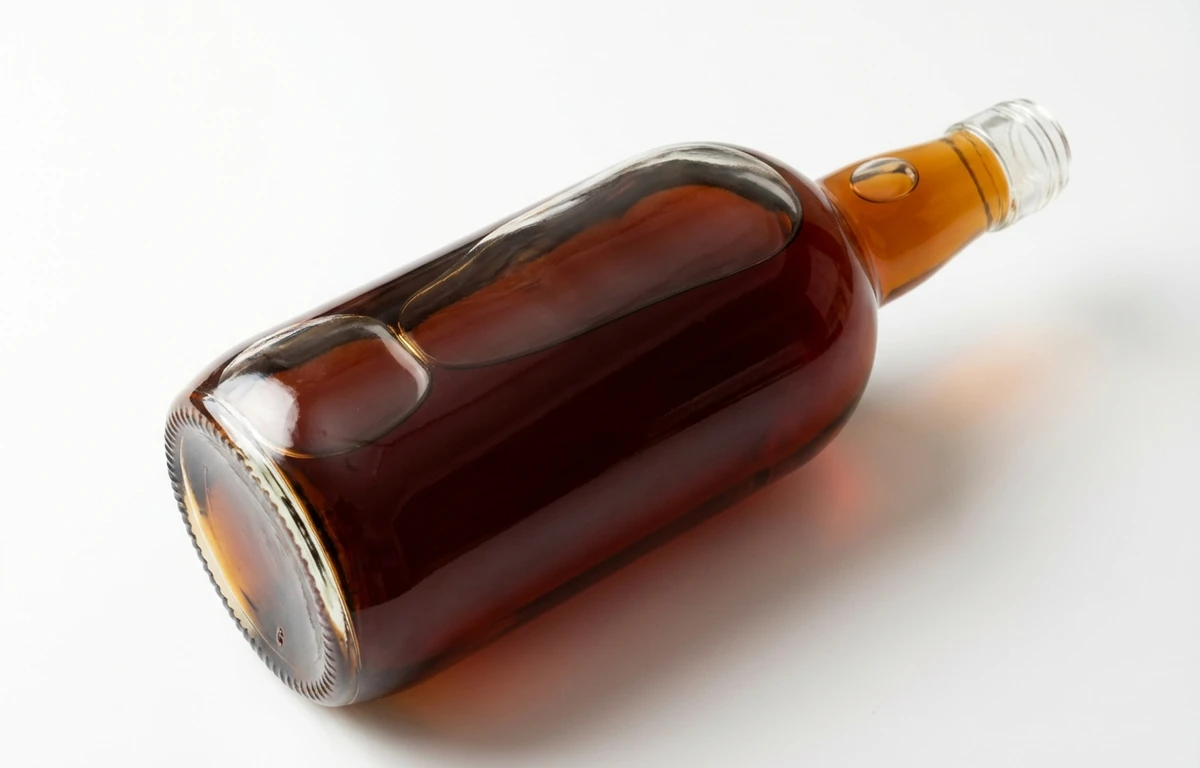
dark rum.
VegetarianVeganGluten-freeDairy-freeNut-freePeanut-freeSoy-freeEgg-freeShellfish-freeHoney-freeAlcohol-freeHalalFermented
ALSO KNOWN AS
black rum
SERVING
CALORIES
231
PROTEIN
0g
CARBS
0g
FAT
0g
FIBER
0g
This ingredient is flagged as naturally gluten-free. Per 100 g, it provides 0 µg of vitamin K.
NUTRITION PROFILE · per 100 g
Everything in this ingredient.
MACRONUTRIENTS
Calories231kcal—
Protein0g0%
Carbohydrates0g0%
Fiber0g0%
Sugar0g0%
Total fat0g0%
Saturated fat0g0%
Trans fat0g—
Cholesterol0mg0%
Water66.6g—
MINERALS
Sodium1.0mg0%
Potassium2.0mg0%
Calcium0mg0%
Iron0.12mg1%
Magnesium0mg0%
Phosphorus5.0mg0%
Zinc0.07mg1%
Copper0.05mg6%
Manganese0.02mg1%
Selenium0µg0%
VITAMINS
Vitamin A0µg0%
Vitamin C0mg0%
Vitamin D0µg0%
Vitamin E0mg0%
Vitamin K0µg0%
Thiamin (B1)0.01mg1%
Riboflavin (B2)0mg0%
Niacin (B3)0mg0%
Pantothenic acid (B5)0mg0%
Vitamin B60mg0%
Folate (B9)0µg0%
Vitamin B120µg0%
%DV based on a 2,000 cal diet. Source: USDA FoodData Central. A dash in the %DV column means there’s no established Daily Value for that nutrient.
MEASUREMENT CONVERSIONS
How much is what.
1 cup223g
1 tablespoon13.8g
1 teaspoon4.6g
1 ml0.9g
1 liter920g
HEALTH BENEFITS
Why eat it.
- ✓In strict moderation, some studies suggest alcohol may be associated with a reduced risk of certain cardiovascular issues, though this is not a recommended health strategy.
- ✓Historically used in remedies like hot toddies for colds, as alcohol can act as a mild sedative and dilate blood vessels, potentially easing congestion.
COOKING TIPS
In the kitchen.
- 1Ideal for flambéing desserts like Bananas Foster or crêpes Suzette, as its high alcohol content ignites easily, burning off to leave a rich, caramelized flavor.
- 2Use as a potent flavoring agent in baking, particularly in fruitcakes, rum balls, and tiramisu. It's also excellent for soaking dried fruits to rehydrate them and add depth.
- 3Incorporate into savory dishes by adding it to marinades for pork or chicken, or into glazes and barbecue sauces for a sweet, smoky complexity.
- 4Enhances the flavor of cocktails like the Mai Tai, Dark 'n' Stormy, or a classic Rum Punch, providing a deeper, more molasses-forward profile than light rum.
STORAGE
Keep it fresh.
- Store upright in a cool, dark place, such as a pantry or cabinet, away from direct sunlight and heat sources to prevent evaporation and flavor degradation.
- Keep the bottle tightly sealed after opening to minimize oxidation. Unlike wine, distilled spirits like rum are very stable and can last for years if stored properly.
FAQ
Frequently asked questions.
How many calories are in dark rum?
Approximately 100g of dark rum contains around 231 calories. These calories primarily come from the alcohol itself, as pure rum typically has no carbohydrates, protein, or fat. Calorie content can vary slightly by proof and brand.
Does dark rum have carbs or sugar?
Pure, unflavored dark rum typically contains 0g of carbohydrates and 0g of sugar per serving. The calories come solely from the alcohol. However, some flavored rums or rum liqueurs may have added sugars, so it's important to check labels if concerned.
Is dark rum vegan?
Most dark rums are considered vegan as they are distilled from sugarcane byproducts (molasses) and aged in wooden barrels. However, some brands might use fining agents derived from animal products during processing, or add non-vegan flavorings. It's best to check with specific brands for certification if strict veganism is a concern.
Is dark rum gluten-free?
Yes, dark rum is naturally gluten-free. It is distilled from fermented sugarcane molasses, which does not contain gluten. Even if aged in barrels that previously held gluten-containing spirits, the distillation process effectively removes gluten proteins.
What does dark rum taste like?
Dark rum typically has a rich, complex flavor profile with notes of caramel, vanilla, molasses, and sometimes spices or oak, derived from its aging process in charred barrels. It often has a smoother, deeper, and more robust taste compared to lighter rums. The specific flavor varies significantly by origin and aging time.
What are common uses for dark rum in cooking and cocktails?
Dark rum is a versatile ingredient in both cocktails and cooking. In cocktails, it's a key component in drinks like the Dark 'n' Stormy, Mai Tai, and various punches. In cooking, it's used to flavor desserts like rum cake, fruit tarts, and sauces, or to deglaze pans for savory dishes, adding depth and warmth.
How should dark rum be stored?
Dark rum should be stored upright in a cool, dark place, away from direct sunlight and extreme temperature fluctuations. Unlike wine, rum does not continue to age in the bottle. Proper storage helps preserve its flavor and alcohol content for an extended period.
Does dark rum expire?
Unopened dark rum, when stored correctly, has an indefinite shelf life and does not truly expire. Once opened, its quality can slowly degrade over several years due to oxidation, but it remains safe to drink. For best flavor, consume opened bottles within 1-2 years.
RECIPES
Cook with dark rum.
3 recipes · sorted by what’s quick