Other
desert bean.
VegetarianVeganGluten-freeDairy-freeNut-freePeanut-freeSoy-freeEgg-freeShellfish-freeHoney-freeAlcohol-free
ALSO KNOWN AS
sangri
SERVING
CALORIES
345
PROTEIN
21g
CARBS
62g
FAT
1.2g
FIBER
16g
This ingredient is flagged as naturally gluten-free. Per 100 g, it provides 5.0 µg of vitamin K.
NUTRITION PROFILE · per 100 g
Everything in this ingredient.
MACRONUTRIENTS
Calories345kcal—
Protein21g42%
Carbohydrates62g23%
Fiber16g57%
Sugar2.5g5%
Total fat1.2g2%
Saturated fat0.20g1%
Trans fat0g—
Cholesterol0mg0%
Water10g—
MINERALS
Sodium12mg1%
Potassium1100mg23%
Calcium140mg11%
Iron6.5mg36%
Magnesium170mg40%
Phosphorus400mg32%
Zinc3.5mg32%
Copper0.80mg89%
Manganese1.5mg65%
Selenium12µg22%
VITAMINS
Vitamin A0µg0%
Vitamin C0mg0%
Vitamin D0µg0%
Vitamin E0.20mg1%
Vitamin K5.0µg4%
Thiamin (B1)0.60mg50%
Riboflavin (B2)0.20mg15%
Niacin (B3)2.0mg13%
Pantothenic acid (B5)0.80mg16%
Vitamin B60.40mg24%
Folate (B9)350µg88%
Vitamin B120µg0%
%DV based on a 2,000 cal diet. Source: USDA FoodData Central. A dash in the %DV column means there’s no established Daily Value for that nutrient.
MEASUREMENT CONVERSIONS
How much is what.
1 cup170g
1 tablespoon10.6g
1 teaspoon3.5g
1 ml0.7g
1 liter708.3g
HEALTH BENEFITS
Why eat it.
- ✓Good source of plant-based protein and essential minerals such as iron, calcium, magnesium, and potassium.
COOKING TIPS
In the kitchen.
- 1Due to their density, desert beans require a longer soaking time (at least 8 hours or overnight) and a longer cooking time compared to common beans.
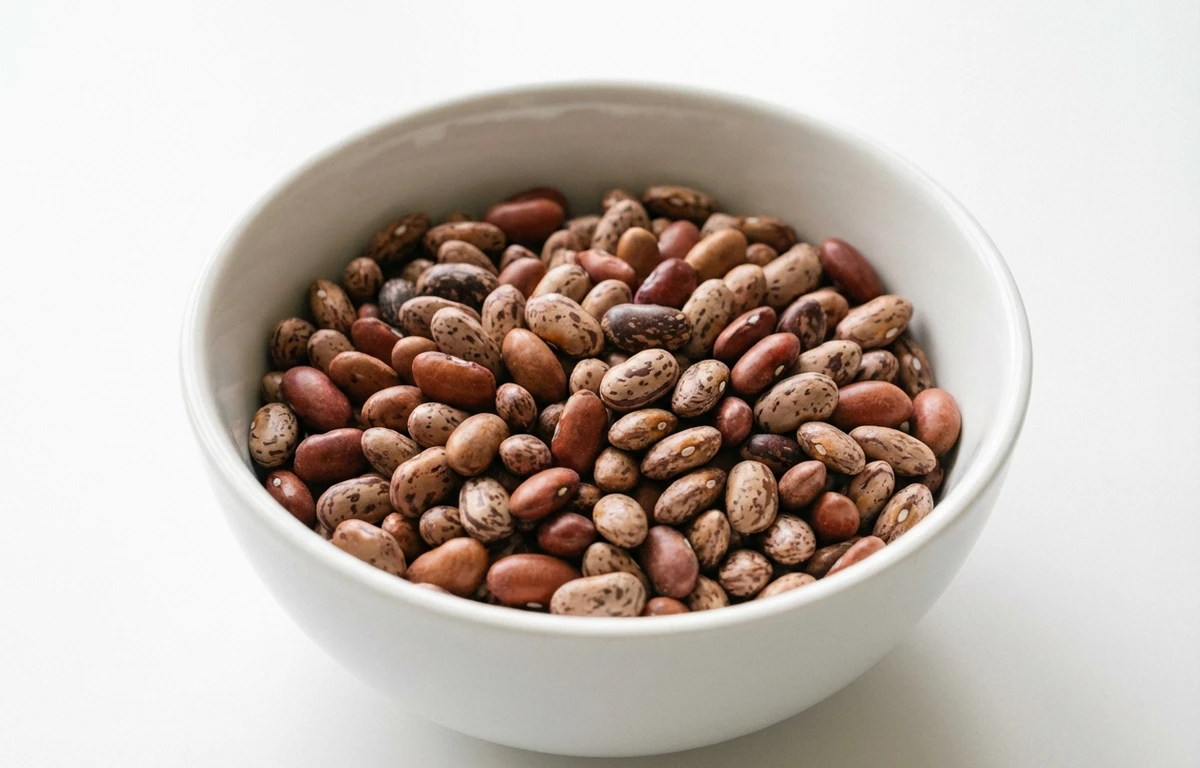
- 2They have a nutty, slightly sweet flavor and a creamy texture, making them ideal for stews, soups, chili, and traditional dishes like refried beans.
- 3Desert beans hold their shape well after cooking, which makes them excellent for use in salads and side dishes.
- 4For a faster cooking method, use a pressure cooker, which can reduce the cooking time to about 30-40 minutes after soaking.
STORAGE
Keep it fresh.
- Store dried desert beans (like Tepary beans) in an airtight container in a cool, dark, and dry place for up to two years.
- Once cooked, store in a sealed container in the refrigerator for up to 5 days or freeze for up to 6 months.
FAQ
Frequently asked questions.
How do you cook desert beans?
Like most dried beans, desert beans require soaking before cooking. Soak them overnight, then drain and rinse. Cook by boiling or simmering until tender, which can take 45-90 minutes depending on freshness. They can also be cooked in a pressure cooker to reduce time.
What does desert bean taste like and how can it be used?
Desert beans likely have an earthy, slightly nutty flavor, typical of many legumes. They can be used in a variety of dishes such as stews, soups, salads, chili, or mashed into dips and spreads. Their robust texture holds up well in slow-cooked meals.
How should I store desert beans?
Dried desert beans should be stored in an airtight container in a cool, dark, and dry place. Properly stored, they can last for several years, though their cooking time may increase with age. Cooked beans can be refrigerated for 3-5 days or frozen for several months.
RECIPES
Cook with desert bean.
0 recipes · sorted by what’s quick