
Loading...
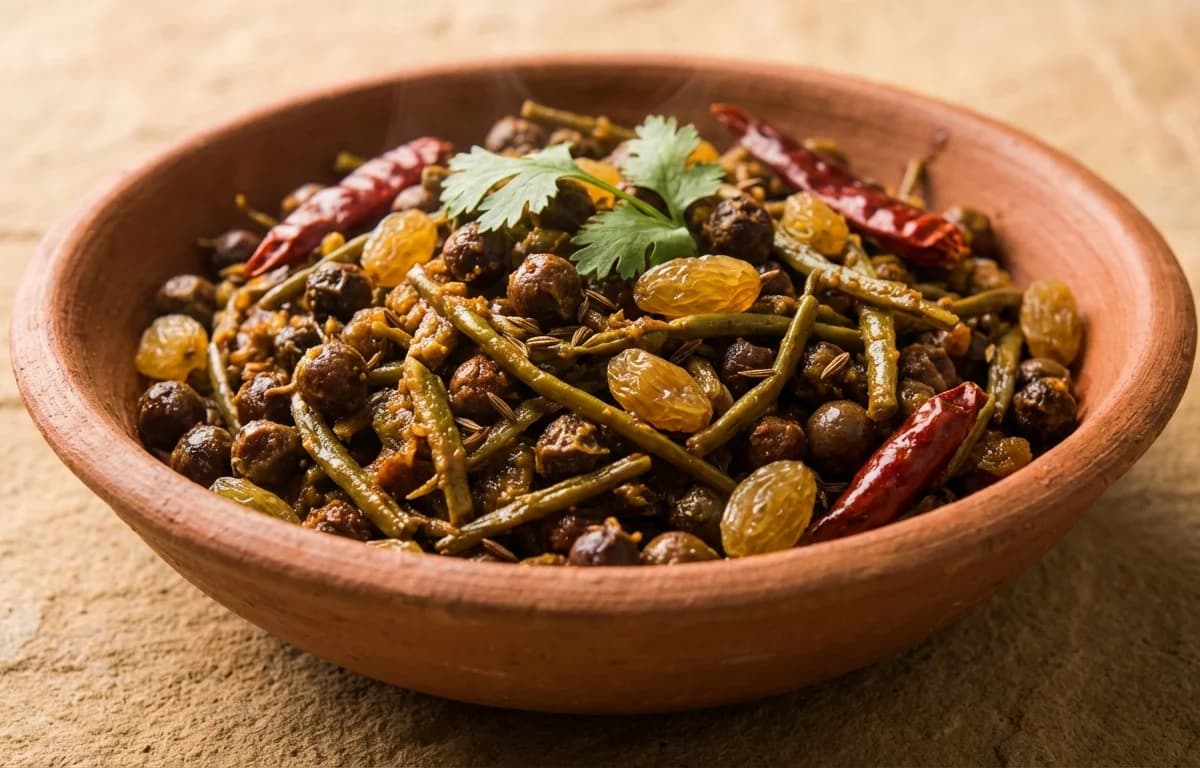
A quintessential Rajasthani delicacy made from dried desert beans and berries. This tangy and spicy curry is a burst of unique flavors, traditionally enjoyed with bajra roti.
For 4 servings
Soak and Prepare Ker Sangri
Pressure Cook
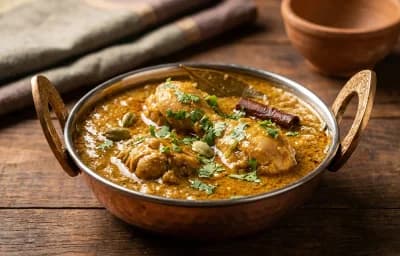
A rich and fiery chicken curry from the heart of Rajasthan. This korma gets its unique tangy and spicy flavor from yogurt and traditional spices, differing from its creamier Mughlai counterpart. A true rustic delight.

Tender chicken pieces marinated in a spiced yogurt blend and infused with a unique smoky flavor from charcoal. This classic Rajasthani appetizer is grilled to perfection, delivering a taste of the desert state's royal cuisine.

A fiery and aromatic chicken curry from the heart of Rajasthan. Tender chicken pieces are simmered in a rich, yogurt-based gravy infused with whole spices, creating a dish that's both rustic and royal. Perfect with hot rotis or rice.

Tender, succulent pieces of mutton marinated in a rich yogurt and spice blend, then grilled and smoked to perfection. This Rajasthani specialty delivers a robust, smoky flavor that's truly unforgettable.
A quintessential Rajasthani delicacy made from dried desert beans and berries. This tangy and spicy curry is a burst of unique flavors, traditionally enjoyed with bajra roti.
This rajasthani recipe takes 45 minutes to prepare and yields 4 servings. At 214.4 calories per serving with 6.5g of protein, it's a moderately challenging recipe perfect for lunch or dinner.
Prepare the Yogurt Masala
Sauté and Finish the Sabzi
This recipe is naturally Jain-friendly as it does not contain any onion, garlic, or root vegetables.
For added complexity, you can soak and cook a tablespoon of dried gunda (gum berries) along with the ker and sangri.
For a richer, less tangy curry, stir in a tablespoon of fresh cream (malai) or cashew paste at the very end of cooking.
Sangri beans are packed with dietary fiber, which is crucial for maintaining a healthy digestive system, preventing constipation, and promoting a feeling of fullness.
This traditional dish offers a substantial amount of protein from desert beans, making it an excellent choice for vegetarians and those looking to increase their protein intake from plant sources.
Ker and Sangri are natural sources of essential minerals like potassium, magnesium, iron, and calcium, which play vital roles in bone health, muscle function, and energy production.
Ker is a small, tangy berry and Sangri is a long, slender bean from the Khejri tree. Both are native to the arid, desert regions of Rajasthan and are typically used in their dried form.
Bitterness can occur if the ker and sangri are not soaked properly or long enough. Some varieties of ker are naturally more bitter; soaking them in buttermilk or salted water overnight can help reduce this.
Yes, you can. After soaking, boil the ker and sangri in a pot with sufficient water for about 45-60 minutes, or until they are tender. This method takes longer than pressure cooking.
You can store the cooked sabzi in an airtight container in the refrigerator for up to 3-4 days. The flavors often deepen and taste even better the next day.
Yes, it is very healthy. It's rich in dietary fiber, plant-based protein, and essential minerals. It's a naturally low-calorie and nutritious dish.
One serving (approximately 1 cup) of Ker Sangri Sabzi contains around 220-240 calories, depending on the amount of oil used.