Other10 recipes
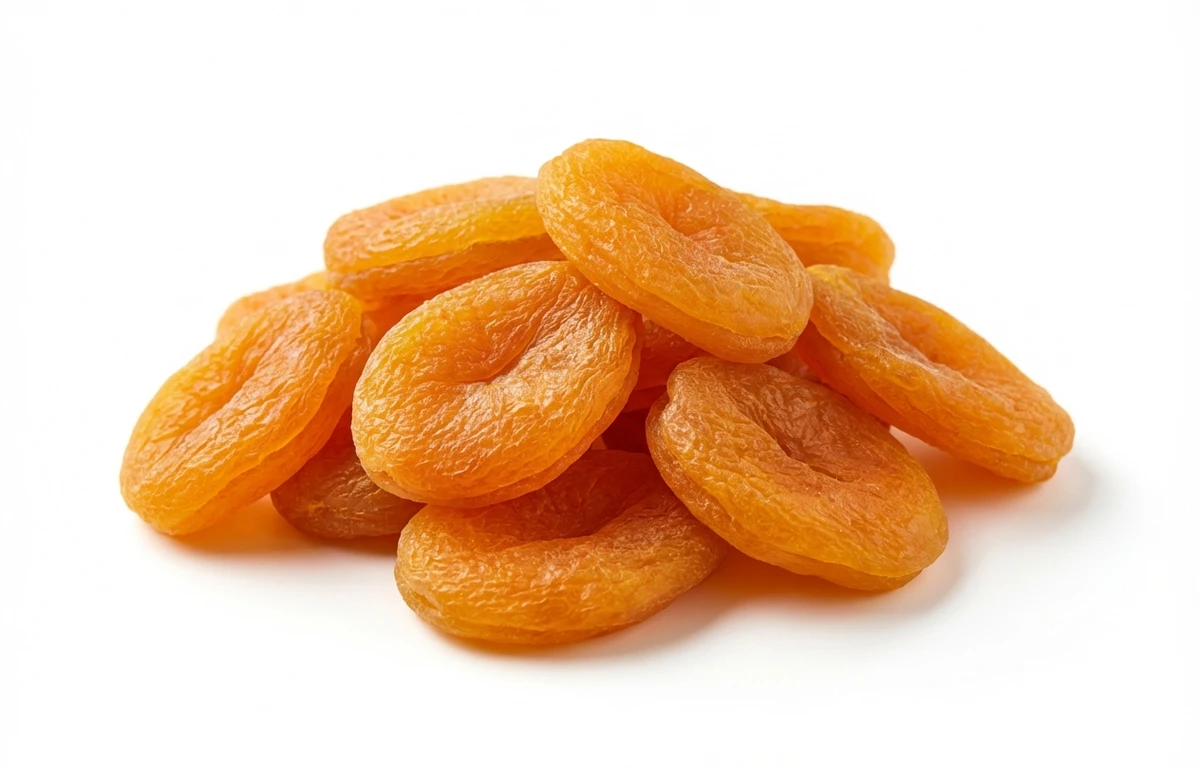
dried apricots.
VegetarianVeganGluten-freeDairy-freeNut-freePeanut-freeSoy-freeEgg-freeShellfish-freeHoney-freeAlcohol-free
ALSO KNOWN AS
dried apricotapricot driedsukha khubani
SERVING
CALORIES
241
PROTEIN
3.4g
CARBS
62.6g
FAT
0.51g
FIBER
7.3g
This ingredient is flagged as naturally gluten-free. Per 100 g, it provides 3.1 µg of vitamin K.
NUTRITION PROFILE · per 100 g
Everything in this ingredient.
MACRONUTRIENTS
Calories241kcal—
Protein3.4g7%
Carbohydrates62.6g23%
Fiber7.3g26%
Sugar53.4g107%
Total fat0.51g1%
Saturated fat0.02g0%
Cholesterol0mg0%
Water30.9g—
MINERALS
Sodium10mg0%
Potassium1162mg25%
Calcium55mg4%
Iron2.7mg15%
Magnesium32mg8%
Phosphorus71mg6%
Zinc0.39mg4%
Copper0.34mg38%
Manganese0.24mg10%
Selenium2.2µg4%
VITAMINS
Vitamin A180µg20%
Vitamin C1.0mg1%
Vitamin D0µg0%
Vitamin E4.3mg29%
Vitamin K3.1µg3%
Thiamin (B1)0.02mg2%
Riboflavin (B2)0.07mg5%
Niacin (B3)2.6mg16%
Pantothenic acid (B5)0.52mg10%
Vitamin B60.14mg8%
Folate (B9)10µg3%
Vitamin B120µg0%
%DV based on a 2,000 cal diet. Source: USDA FoodData Central. A dash in the %DV column means there’s no established Daily Value for that nutrient.
MEASUREMENT CONVERSIONS
How much is what.
1 cup130g
1 tablespoon8.1g
1 teaspoon2.7g
1 ml0.5g
1 liter541.7g
1 piece8g
HEALTH BENEFITS
Why eat it.
- ✓High in potassium, a mineral that helps regulate blood pressure and fluid balance.
COOKING TIPS
In the kitchen.
- 1To rehydrate or 'plump' dried apricots, soak them in hot water, fruit juice, or liqueur for 15-30 minutes before using in recipes.
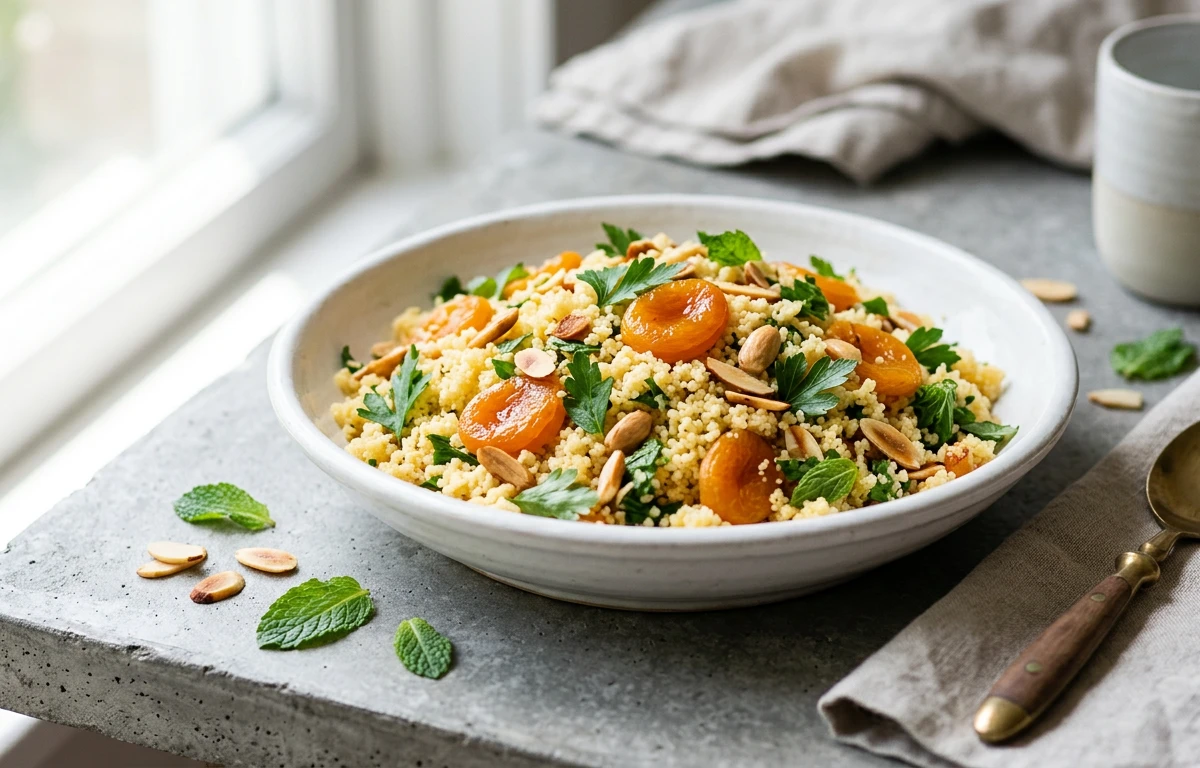
- 2Chop and add to savory dishes like Moroccan tagines, stews, or rice pilafs for a touch of sweetness.
- 3Incorporate into baked goods such as scones, muffins, and breads, or use as a filling for tarts.
- 4Blend with a little water to create a natural fruit puree that can be used as a sweetener or a base for sauces and glazes.
STORAGE
Keep it fresh.
- Store in an airtight container in a cool, dark, and dry place like a pantry for up to 6 months.
- For longer storage (6-12 months), place the airtight container in the refrigerator to maintain moisture and prevent spoilage.
FAQ
Frequently asked questions.
How can I use dried apricots in cooking?
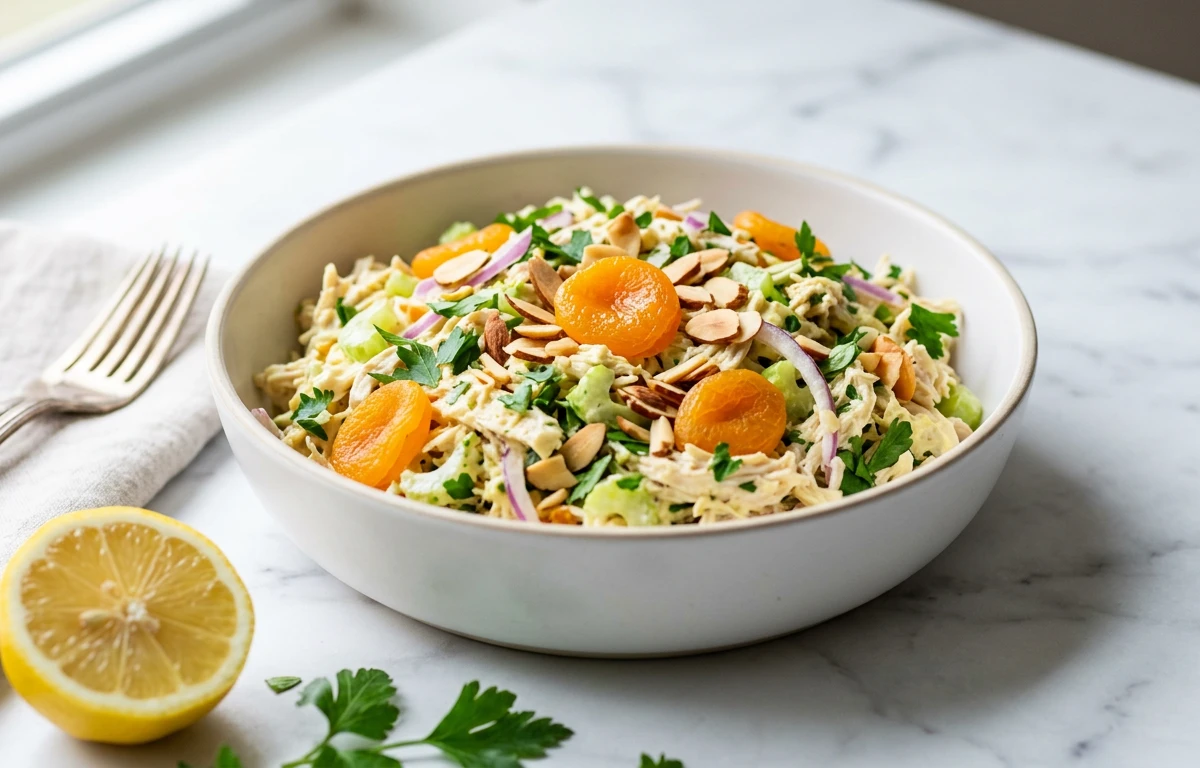
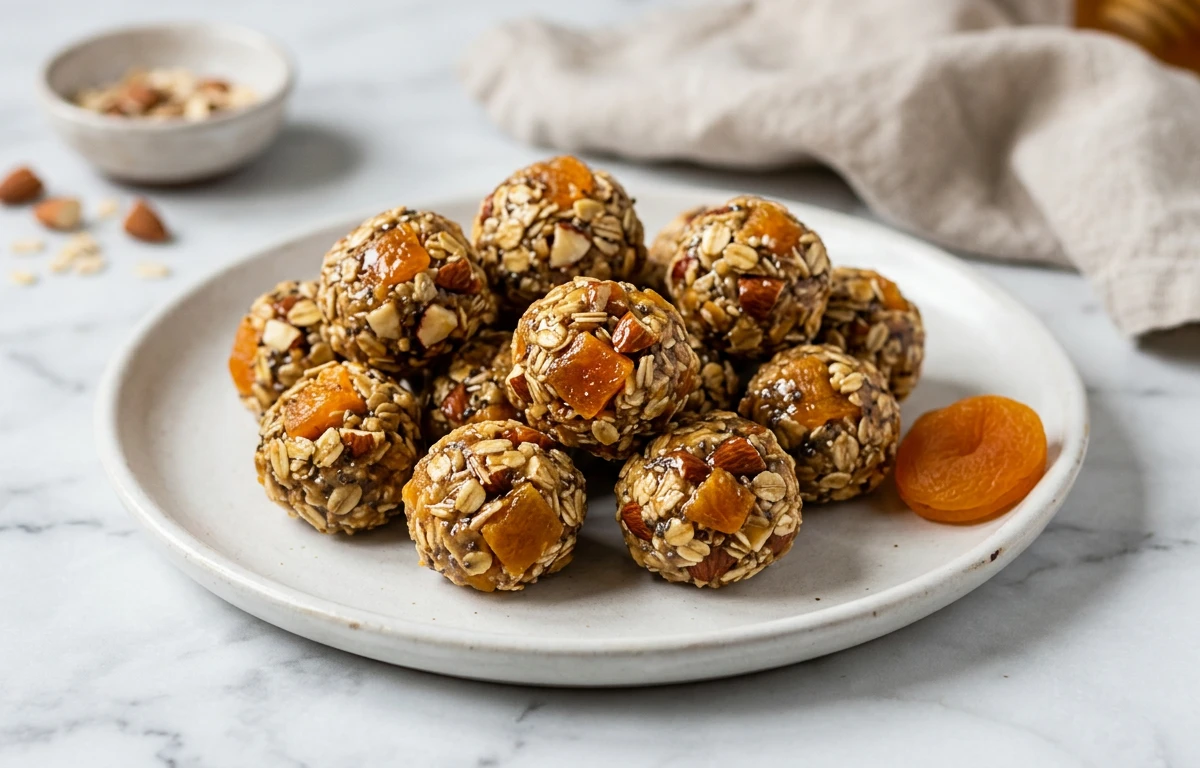
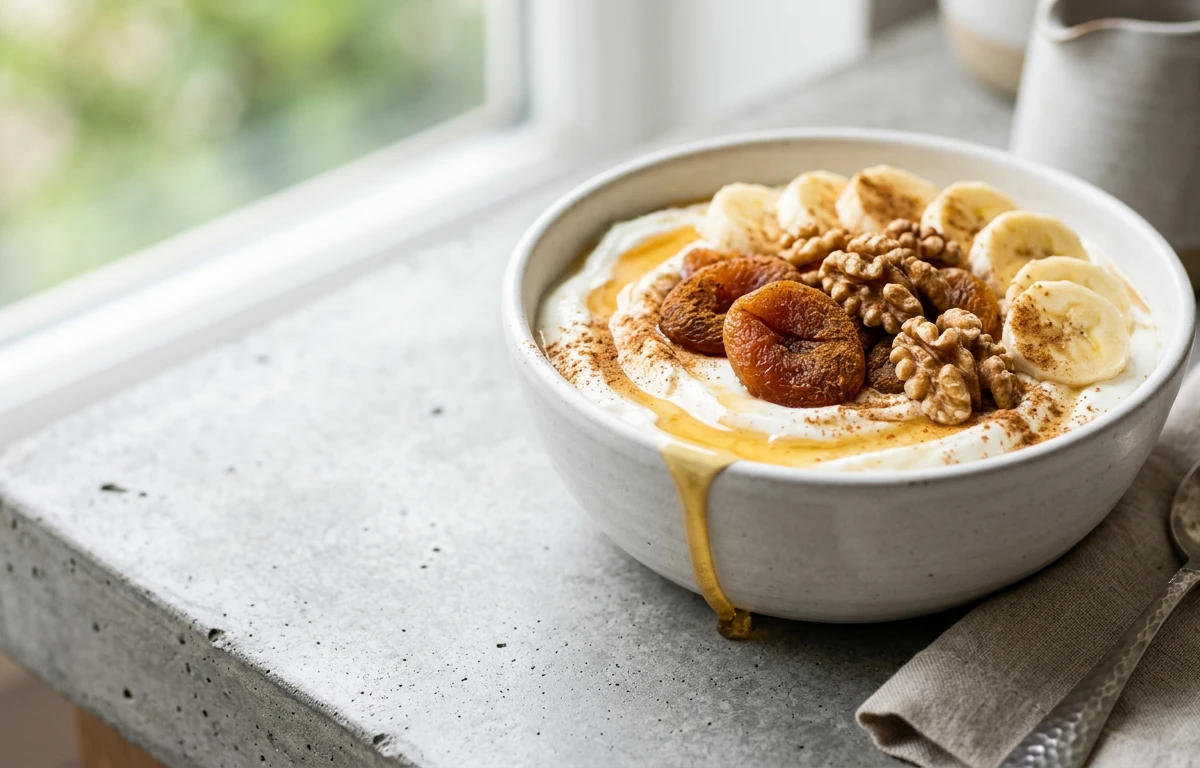
Dried apricots are versatile in cooking. They can be added to oatmeal, yogurt, salads, and trail mixes. They also work well in baked goods like muffins and cookies, or in savory dishes such as tagines, stuffings, and chutneys for a sweet and tangy flavor.
Do dried apricots need to be rehydrated before use?
It depends on the recipe. For softer textures in baked goods or stews, rehydrating them in warm water or juice for 15-30 minutes can be beneficial. However, for snacks, trail mixes, or when a chewier texture is desired, they can be used directly from the package.
How long do dried apricots last?
When stored properly in an airtight container in a pantry, dried apricots can last for 6-12 months. Refrigeration can extend their shelf life to 1-2 years, and freezing can keep them fresh for even longer, up to several years.
RECIPES
Cook with dried apricots.
10 recipes · sorted by what’s quick