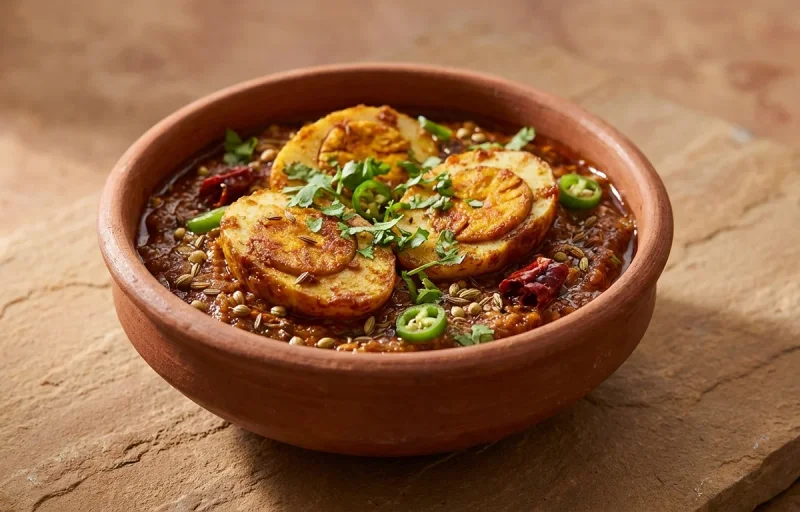
Protein
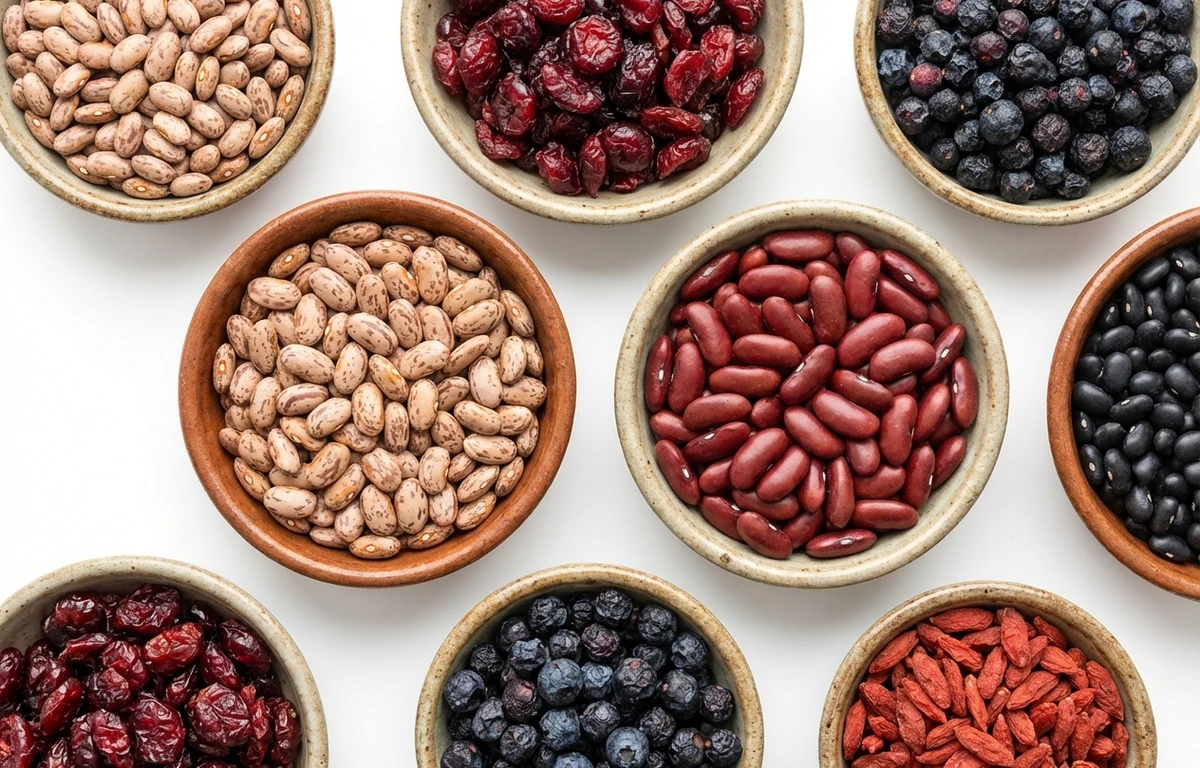
dried desert beans and berries.
VegetarianVeganGluten-freeDairy-freeNut-freePeanut-freeSoy-freeEgg-freeShellfish-freeHoney-freeAlcohol-free
ALSO KNOWN AS
ker sangrikair sangridried ker and sangrirajasthani desert beans and berriesdried capparis decidua and prosopis cineraria
SERVING
CALORIES
335
PROTEIN
16.5g
CARBS
58g
FAT
2.5g
FIBER
12g
NUTRITION PROFILE · per 100 g
Everything in this ingredient.
MACRONUTRIENTS
Calories335kcal—
Protein16.5g33%
Carbohydrates58g21%
Fiber12g43%
Sugar4.0g8%
Total fat2.5g3%
Saturated fat0.40g2%
Trans fat0g—
Cholesterol0mg0%
Water8.0g—
MINERALS
Sodium45mg2%
Potassium850mg18%
Calcium320mg25%
Iron8.5mg47%
Magnesium140mg33%
Phosphorus280mg22%
Zinc2.1mg19%
Copper0.60mg67%
Manganese1.2mg52%
Selenium4.5µg8%
VITAMINS
Vitamin A15µg2%
Vitamin C5.0mg6%
Vitamin D0µg0%
Vitamin E1.2mg8%
Vitamin K12µg10%
Thiamin (B1)0.30mg25%
Riboflavin (B2)0.20mg15%
Niacin (B3)2.5mg16%
Pantothenic acid (B5)0.60mg12%
Vitamin B60.40mg24%
Folate (B9)110µg28%
Vitamin B120µg0%
%DV based on a 2,000 cal diet. Source: USDA FoodData Central. A dash in the %DV column means there’s no established Daily Value for that nutrient.
MEASUREMENT CONVERSIONS
How much is what.
1 cup170g
1 tablespoon10.6g
1 teaspoon3.5g
1 oz28.4g
1 lb453.6g
1 ml0.7g
1 liter720g
HEALTH BENEFITS
Why eat it.
- ✓High in dietary fiber which aids in digestive health
- ✓Excellent source of plant-based protein for muscle maintenance
- ✓Rich in essential minerals like iron and calcium
- ✓Low glycemic index helps in managing blood sugar levels
- ✓Contains natural antioxidants that support immune function
COOKING TIPS
In the kitchen.
- 1Soak in water for at least 8 to 10 hours or overnight before cooking
- 2Boil in salted water until the sangri (beans) are tender to the touch
- 3Traditionally prepared with yogurt, amchur, and mustard oil for authentic flavor
STORAGE
Keep it fresh.
- Store in an airtight container in a cool, dry, and dark place
- Keep away from moisture and humidity to prevent spoilage
- Can be stored for up to 12 months if kept completely dry
FAQ
Frequently asked questions.
How long do dried desert beans and berries last?
When stored in an airtight container in a cool, dry place, they can last for up to one year.
Do I need to soak Ker Sangri before cooking?
Yes, soaking is essential. They should be soaked for 8-10 hours to rehydrate and soften before boiling.
What is the best substitute for Ker Sangri?
There is no exact substitute for the unique flavor, but dried green beans or lotus stem (bhel) can sometimes be used in similar spicy preparations.
How do I pick high-quality dried desert beans?
Look for Sangri that is thin and long (thinner is better quality) and Ker that is small and greenish-brown without excessive dust.
Are desert beans and berries healthy?
Yes, they are very nutritious, being high in fiber, protein, and minerals like zinc and iron, while being low in fat.
Can I freeze cooked Ker Sangri?
Yes, once cooked into a dish, it can be frozen for up to 2 months in an airtight container.
What are the common dishes made with these?
The most famous dish is Rajasthani Ker Sangri Sabzi, often served with Bajra Roti (pearl millet flatbread).
Is this ingredient gluten-free?
Yes, dried desert beans and berries are naturally gluten-free.
Why is Ker Sangri so expensive?
It is expensive because it is wild-harvested by hand in the Thar desert and requires a labor-intensive drying process.
How do I clean them before soaking?
Rinse them thoroughly under running water 3-4 times to remove any sand or grit common in desert-harvested products.
RECIPES
Cook with dried desert beans and berries.
0 recipes · sorted by what’s quick