
Other4 recipes
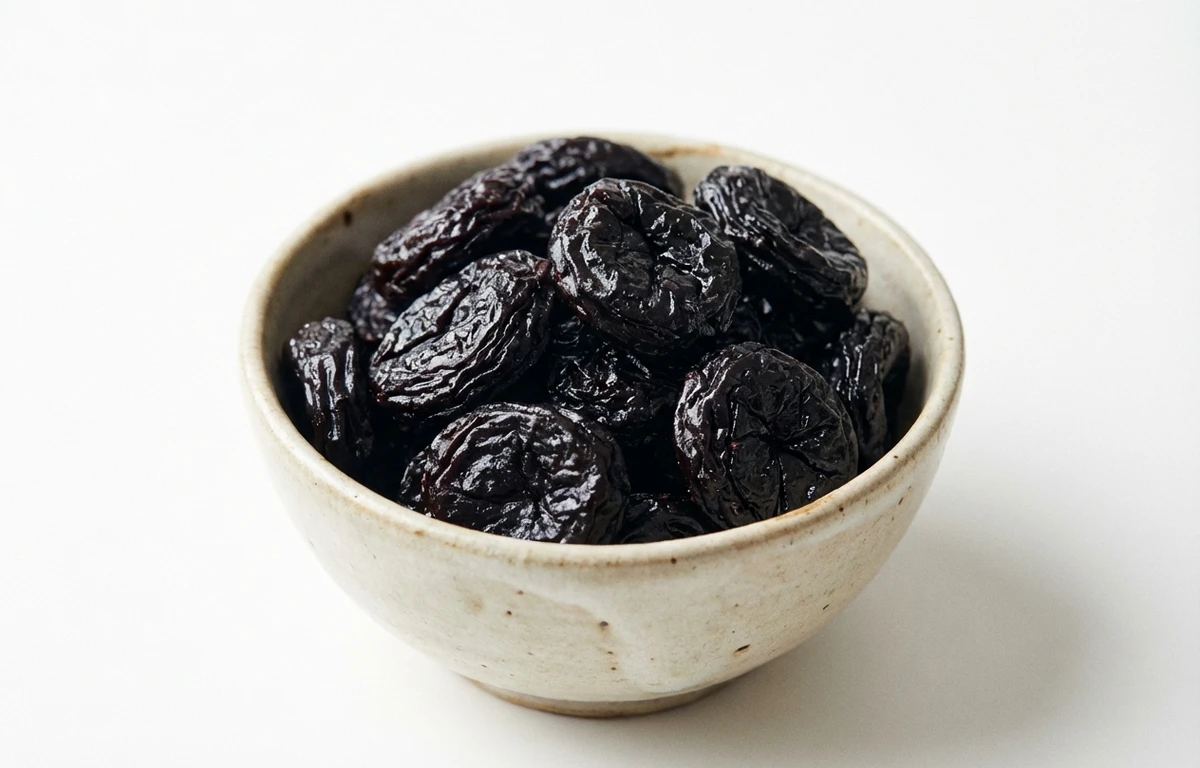
dried plums.
VegetarianVeganGluten-freeDairy-freeNut-freePeanut-freeSoy-freeEgg-freeShellfish-freeHoney-freeAlcohol-free
ALSO KNOWN AS
aloo bukharaprunesprunes, pitteddried plumsprunes, pittedpitted prunes
SERVING
CALORIES
240
PROTEIN
2.2g
CARBS
63.9g
FAT
0.38g
FIBER
7.1g
This ingredient is flagged as naturally gluten-free. Per 100 g, it provides 1.0 µg of vitamin K.
NUTRITION PROFILE · per 100 g
Everything in this ingredient.
MACRONUTRIENTS
Calories240kcal—
Protein2.2g4%
Carbohydrates63.9g23%
Fiber7.1g25%
Sugar38.1g76%
Total fat0.38g0%
Saturated fat0.05g0%
Cholesterol0mg0%
Water30.9g—
MINERALS
Sodium2.0mg0%
Potassium732mg16%
Calcium43mg3%
Iron0.93mg5%
Magnesium71.3mg17%
Phosphorus120mg10%
Zinc0.77mg7%
Copper0.49mg54%
Manganese0.52mg23%
Selenium0.52µg1%
VITAMINS
Vitamin A36µg4%
Vitamin C0.60mg1%
Vitamin D0µg0%
Vitamin E0.75mg5%
Vitamin K1.0µg1%
Thiamin (B1)0.09mg8%
Riboflavin (B2)0.32mg25%
Niacin (B3)3.3mg21%
Pantothenic acid (B5)0.73mg15%
Vitamin B60.36mg21%
Folate (B9)7.0µg2%
Vitamin B120µg0%
%DV based on a 2,000 cal diet. Source: USDA FoodData Central. A dash in the %DV column means there’s no established Daily Value for that nutrient.
MEASUREMENT CONVERSIONS
How much is what.
1 cup170g
1 tablespoon17g
1 teaspoon5.7g
1 ml1.1g
1 liter1133.3g
1 piece9g
HEALTH BENEFITS
Why eat it.
- ✓Promotes digestive health and relieves constipation due to high content of dietary fiber and sorbitol.
COOKING TIPS
In the kitchen.
- 1Soak in hot water or juice for 15-30 minutes to rehydrate and soften them before adding to recipes.
- 2Puree soaked plums to use as a natural sweetener or fat substitute in baked goods like brownies, cakes, and muffins.
- 3Chop and add to savory dishes like stews, tagines, or rice pilafs to provide a sweet and tangy flavor that pairs well with meats like pork and chicken.
- 4Simmer with spices like cinnamon and star anise to create a simple compote, perfect for serving with yogurt, oatmeal, or roasted meats.
STORAGE
Keep it fresh.
- Store in an airtight container in a cool, dark, and dry place like a pantry for up to 6 months.
- For longer-term storage (up to a year), keep them in an airtight container in the refrigerator to maintain moisture and freshness.
FAQ
Frequently asked questions.
How many calories and carbohydrates are in dried plums?
Per 100 grams, dried plums contain approximately 240 calories. They are also quite rich in carbohydrates, providing about 63.88 grams per 100-gram serving, with a significant portion of that being natural sugars and dietary fiber.
Are dried plums suitable for a vegan or gluten-free diet?
Yes, dried plums are naturally vegan as they are a fruit product with no animal-derived ingredients. They are also naturally gluten-free, making them a safe and healthy option for individuals following a gluten-free diet.
How can I incorporate dried plums into my diet or cooking?
Dried plums are versatile and can be enjoyed as a snack on their own, added to oatmeal, yogurt, or salads. They are also excellent in baking for muffins, cakes, and energy bars, or used in savory dishes like stews, tagines, and stuffings for a touch of sweetness and depth.
What do dried plums taste like?
Dried plums have a distinctively sweet, slightly tart, and rich flavor with a chewy, somewhat sticky texture. They possess a deep, fruity taste that is more concentrated than fresh plums, often with caramel-like undertones.
How long do dried plums last?
When stored properly in an airtight container in a cool, dry pantry, dried plums can last for 6 to 12 months. If refrigerated, their shelf life can extend even further, often up to 18 months, though their texture might become firmer.
Are dried plums and prunes the same thing?
Yes, dried plums and prunes are indeed the same fruit. The term 'prune' is simply the traditional name for a dried plum. While 'dried plum' is sometimes used to emphasize their fruit origin, they refer to the exact same product.
RECIPES
Cook with dried plums.
4 recipes · sorted by what’s quick



















