Other1 recipes
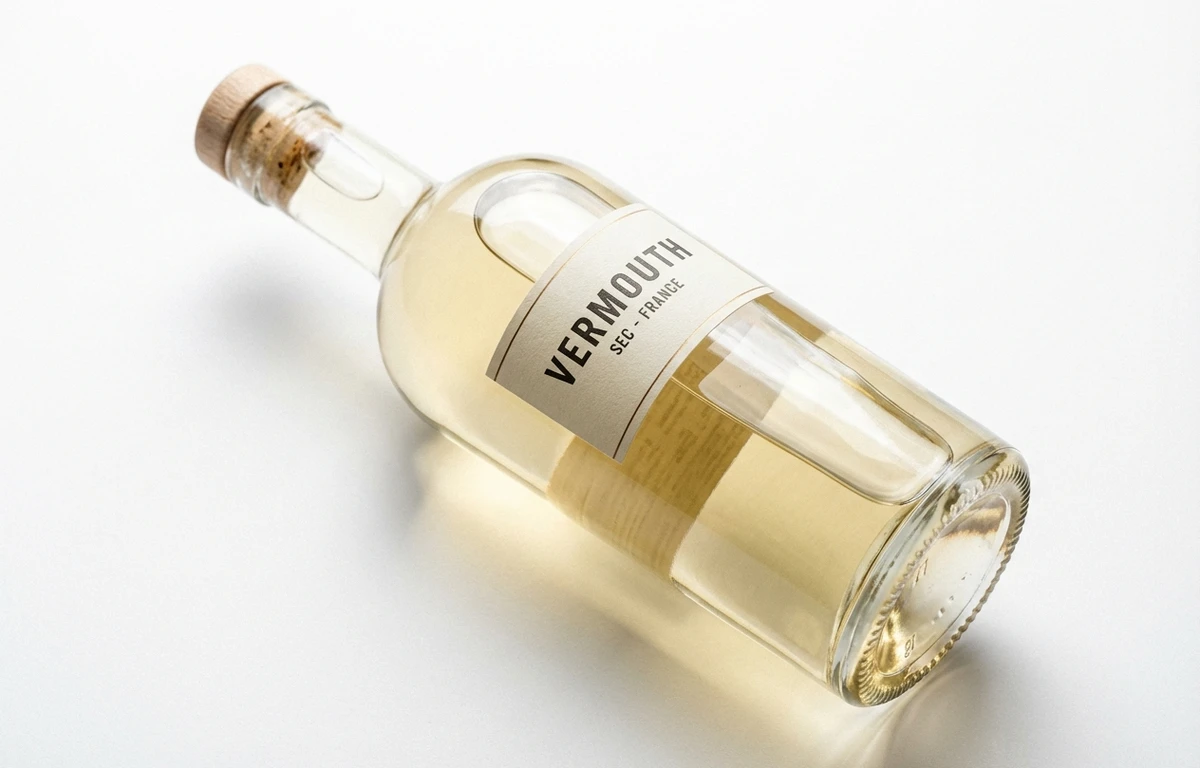
dry vermouth.
VegetarianVeganGluten-freeDairy-freeNut-freePeanut-freeSoy-freeEgg-freeShellfish-freeHoney-freeAlcohol-freeHalalFermented
SERVING
CALORIES
116
PROTEIN
0.09g
CARBS
2.7g
FAT
0g
FIBER
0g
This ingredient is flagged as naturally gluten-free. Per 100 g, it provides 0.10 µg of vitamin K.
NUTRITION PROFILE · per 100 g
Everything in this ingredient.
MACRONUTRIENTS
Calories116kcal—
Protein0.09g0%
Carbohydrates2.7g1%
Fiber0g0%
Sugar0.70g1%
Total fat0g0%
Saturated fat0g0%
Cholesterol0mg0%
Water82g—
MINERALS
Sodium10mg0%
Potassium10mg0%
Calcium10mg1%
Iron0.10mg1%
Magnesium10mg2%
Phosphorus22mg2%
Zinc0.05mg0%
Copper0.02mg2%
Manganese0.02mg1%
Selenium0.10µg0%
VITAMINS
Vitamin A0µg0%
Vitamin C0mg0%
Vitamin D0µg0%
Vitamin E0mg0%
Vitamin K0.10µg0%
Thiamin (B1)0.01mg1%
Riboflavin (B2)0.01mg1%
Niacin (B3)0.09mg1%
Pantothenic acid (B5)0.02mg0%
Vitamin B60.01mg1%
Folate (B9)1.0µg0%
Vitamin B120µg0%
%DV based on a 2,000 cal diet. Source: USDA FoodData Central. A dash in the %DV column means there’s no established Daily Value for that nutrient.
MEASUREMENT CONVERSIONS
How much is what.
1 cup237.6g
1 tablespoon14.9g
1 teaspoon5g
1 oz30g
1 lb480g
1 ml1g
1 liter990g
HEALTH BENEFITS
Why eat it.
- ✓The botanicals used, such as wormwood and gentian, can act as digestive bitters, potentially stimulating appetite and aiding digestion.
- ✓Lower in alcohol content compared to spirits, making it a lighter option for cocktails and aperitifs.
COOKING TIPS
In the kitchen.
- 1Use to deglaze pans when making sauces for chicken, fish, or pork, adding a complex, herbaceous acidity.
- 2Add a splash to risotto or pasta dishes to brighten flavors and add aromatic depth.
- 3An excellent liquid for steaming shellfish like mussels and clams, infusing them with a delicate flavor.
- 4A fundamental ingredient in classic cocktails, most notably the Martini.
STORAGE
Keep it fresh.
- Once opened, dry vermouth should be refrigerated to slow down the oxidation process, which can alter its flavor.
- For optimal taste, consume an opened bottle within 1 to 3 months.
- Store unopened bottles upright in a cool, dark place away from direct sunlight and temperature fluctuations.
FAQ
Frequently asked questions.
How many calories and carbs are in dry vermouth?
Per 100g, dry vermouth contains approximately 116 calories and 2.7g of carbohydrates. It has negligible protein (0.09g) and no fat. This makes it a relatively low-carb option compared to some other alcoholic beverages, but it's not carb-free.
Is dry vermouth good for digestion?
Yes, dry vermouth is traditionally known for its digestive properties. Many of the botanicals used in its production, such as wormwood and gentian, are recognized as digestive bitters. These can help stimulate digestive enzymes and promote a healthy appetite, often consumed as an aperitif before meals.
Is dry vermouth vegan?
Dry vermouth is often not vegan. While its primary ingredients (wine, herbs, spirits) are plant-based, some producers may use animal-derived fining agents like casein (milk protein), albumin (egg whites), or isinglass (fish bladder) during the wine clarification process. Always check the label or producer's website for vegan certification.
Is dry vermouth gluten-free?
Generally, dry vermouth is considered gluten-free. Its base is wine, which is made from grapes, and the infused botanicals are also naturally gluten-free. However, cross-contamination or the use of gluten-containing additives is rare but possible, so individuals with severe sensitivities should look for certified gluten-free products.
Is dry vermouth keto-friendly?
With approximately 2.7g of carbohydrates per 100g, dry vermouth can be considered relatively low-carb and might fit into a keto diet in very small quantities. However, it's not carb-free, and regular consumption could add up. Always account for its carb content when tracking your daily macros.
What does dry vermouth taste like?
Dry vermouth has a complex, herbaceous, and slightly bitter flavor profile. It's less sweet than sweet vermouth, with prominent notes of citrus, spices, and various botanicals like wormwood, chamomile, and coriander. It offers a crisp, aromatic, and often slightly floral finish.
How is dry vermouth used in cooking or cocktails?
Dry vermouth is a staple in classic cocktails, most famously in the Martini, where it's used to add aromatic complexity and a subtle bitterness. In cooking, it can deglaze pans, add depth to sauces for fish or chicken, and is a great substitute for white wine in many recipes, imparting a unique herbaceous note.
How do you store dry vermouth once opened?
Once opened, dry vermouth should be stored in the refrigerator, tightly sealed. Exposure to air and warmth will cause it to oxidize and lose its delicate flavors much faster than spirits. Proper refrigeration helps preserve its quality for a longer period.
How long does dry vermouth last?
Unopened, dry vermouth can last for several years in a cool, dark place. However, once opened and refrigerated, its quality will slowly degrade. It's best consumed within 1-3 months for optimal flavor in cocktails, though it may remain usable for cooking for up to 6 months.
RECIPES
Cook with dry vermouth.
1 recipes · sorted by what’s quick