Other10 recipes
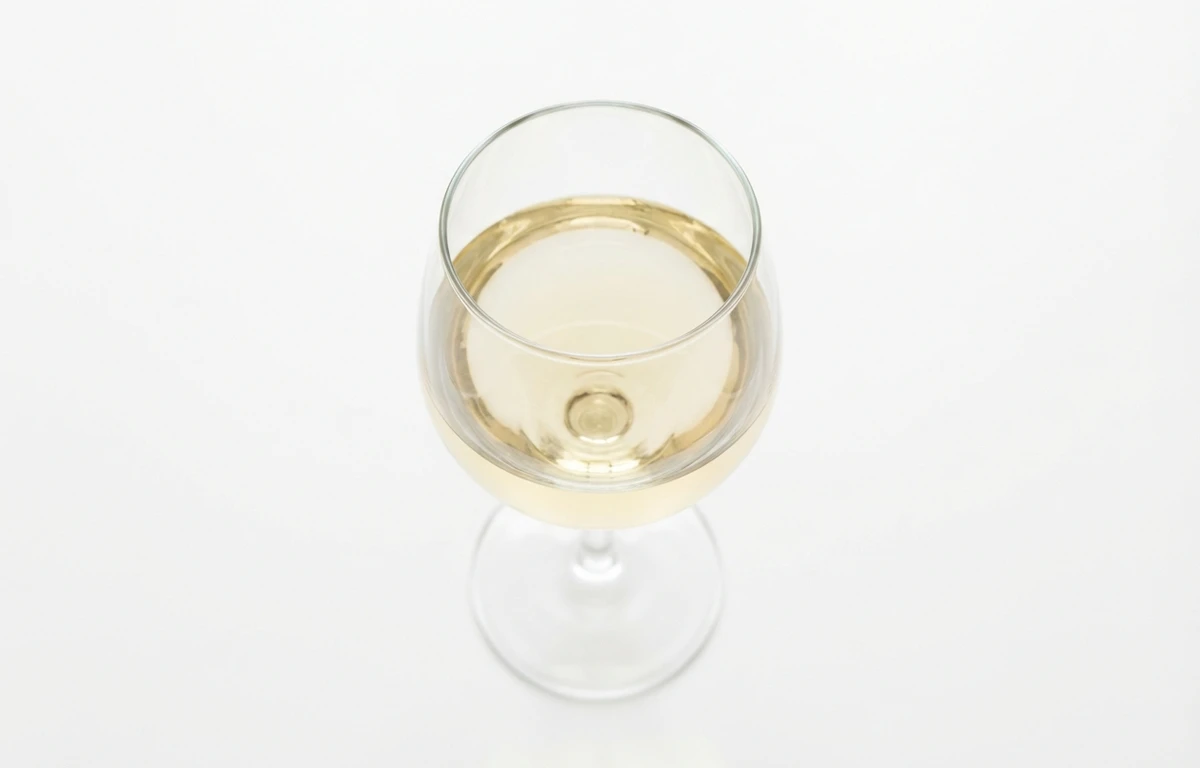
dry white wine.
VegetarianVeganGluten-freeDairy-freeNut-freePeanut-freeSoy-freeEgg-freeShellfish-freeHoney-freeAlcohol-freeHalalFermented
SERVING
CALORIES
82
PROTEIN
0.10g
CARBS
2.6g
FAT
0g
FIBER
0g
NUTRITION PROFILE · per 100 g
Everything in this ingredient.
MACRONUTRIENTS
Calories82kcal—
Protein0.10g0%
Carbohydrates2.6g1%
Fiber0g0%
Sugar0.60g1%
Total fat0g0%
Saturated fat0g0%
Trans fat0g—
Cholesterol0mg0%
Water86.5g—
MINERALS
Sodium5.0mg0%
Potassium71mg2%
Calcium9.0mg1%
Iron0.27mg2%
Magnesium10mg2%
Phosphorus18mg1%
Zinc0.12mg1%
Copper0.01mg1%
Manganese0.10mg4%
Selenium0.10µg0%
VITAMINS
Vitamin A0µg0%
Vitamin C0mg0%
Vitamin D0µg0%
Vitamin E0mg0%
Vitamin K0.40µg0%
Thiamin (B1)0.01mg1%
Riboflavin (B2)0.02mg2%
Niacin (B3)0.10mg1%
Pantothenic acid (B5)0.04mg1%
Vitamin B60.04mg2%
Folate (B9)1.0µg0%
Vitamin B120µg0%
%DV based on a 2,000 cal diet. Source: USDA FoodData Central. A dash in the %DV column means there’s no established Daily Value for that nutrient.
MEASUREMENT CONVERSIONS
How much is what.
1 cup235g
1 tablespoon14.8g
1 teaspoon4.9g
1 oz28.3g
1 ml1g
1 liter990g
HEALTH BENEFITS
Why eat it.
- ✓Contains antioxidants like flavonoids that help fight oxidative stress
- ✓May support heart health by improving cholesterol levels when consumed in moderation
- ✓Low in sugar compared to sweet or dessert wines
- ✓Contains small amounts of essential minerals like potassium and magnesium
- ✓May help reduce the risk of certain metabolic diseases
COOKING TIPS
In the kitchen.
- 1Use for deglazing pans to incorporate browned bits into sauces
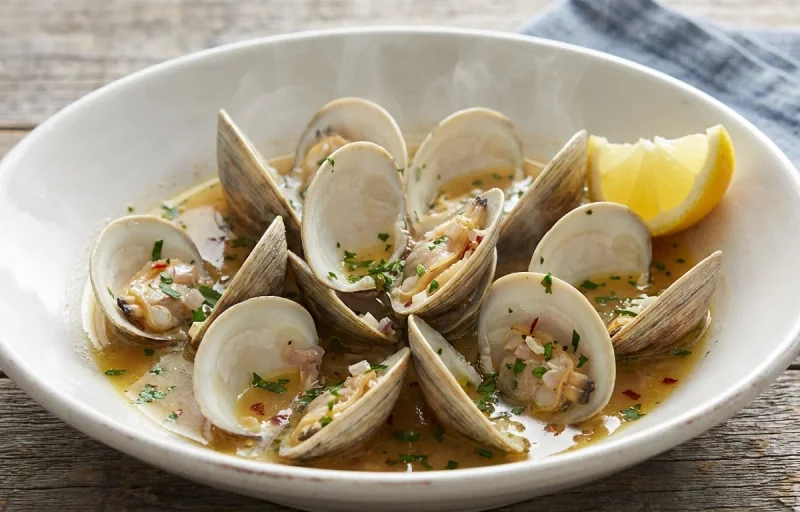
- 2Add to risottos or seafood dishes to provide acidity and depth of flavor
- 3Avoid using 'cooking wine' from grocery stores; use a wine you would actually drink
STORAGE
Keep it fresh.
- Store unopened bottles in a cool, dark place away from direct sunlight
- Once opened, recork and refrigerate to maintain freshness for 3-5 days
- Use a vacuum pump stopper to remove air and extend the life of an opened bottle
FAQ
Frequently asked questions.
Is dry white wine vegetarian or vegan?
Not always. Many winemakers use fining agents derived from animal products like gelatin, isinglass (fish bladder), casein (milk), or egg whites. Look for 'certified vegan' labels if this is a concern.
How long does dry white wine last after opening?
It typically lasts 3 to 5 days in the refrigerator if properly sealed. After this, it begins to oxidize and lose its flavor profile.
What is a good non-alcoholic substitute for dry white wine in cooking?
White grape juice mixed with a splash of white wine vinegar, or chicken/vegetable broth with a squeeze of lemon juice are excellent substitutes.
Does the alcohol completely cook out of the wine?
No. While much of the alcohol evaporates during cooking, some remains. The amount depends on the cooking method and time; simmering for 2.5 hours still leaves about 5% of the alcohol.
Can I freeze leftover white wine?
Yes, you can freeze it in ice cube trays. These wine cubes are perfect for adding to sauces, stews, or risottos later.
What defines a wine as 'dry'?
A wine is considered 'dry' when most or all of the grape sugar has been converted into alcohol during fermentation, leaving very little residual sugar.
How should I choose a dry white wine for cooking?
Choose a wine with high acidity, such as Sauvignon Blanc or Pinot Grigio. Avoid heavily oaked wines like some Chardonnays, as the oak flavor can become bitter when concentrated.
What are the best food pairings for dry white wine?
It pairs exceptionally well with light proteins like fish, shellfish, and chicken, as well as creamy pastas and green vegetables.
RECIPES
Cook with dry white wine.
10 recipes · sorted by what’s quick