Other1 recipes
dulce de leche.
VegetarianVeganGluten-freeDairy-freeNut-freePeanut-freeSoy-freeEgg-freeShellfish-freeHoney-freeAlcohol-free
ALSO KNOWN AS
milk jam
SERVING
CALORIES
315
PROTEIN
6.8g
CARBS
55.4g
FAT
7.3g
FIBER
0g
This ingredient is flagged as naturally gluten-free. Per 100 g, it provides 1.3 µg of vitamin K.
NUTRITION PROFILE · per 100 g
Everything in this ingredient.
MACRONUTRIENTS
Calories315kcal—
Protein6.8g14%
Carbohydrates55.4g20%
Fiber0g0%
Sugar49.7g99%
Total fat7.3g9%
Saturated fat4.5g23%
Trans fat0.36g—
Cholesterol29mg10%
Water28.7g—
MINERALS
Sodium129mg6%
Potassium350mg7%
Calcium251mg19%
Iron0.17mg1%
Magnesium22mg5%
Phosphorus193mg15%
Zinc0.79mg7%
Copper0mg0%
Manganese0mg0%
Selenium2.7µg5%
VITAMINS
Vitamin A74µg8%
Vitamin C2.6mg3%
Vitamin D0.20µg1%
Vitamin E0.20mg1%
Vitamin K1.3µg1%
Thiamin (B1)0.02mg2%
Riboflavin (B2)0.41mg32%
Niacin (B3)0.21mg1%
Pantothenic acid (B5)0.84mg17%
Vitamin B60.02mg1%
Folate (B9)11µg3%
Vitamin B120.31µg13%
%DV based on a 2,000 cal diet. Source: USDA FoodData Central. A dash in the %DV column means there’s no established Daily Value for that nutrient.
MEASUREMENT CONVERSIONS
How much is what.
1 cup300g
1 tablespoon19g
1 teaspoon6.3g
1 ml1.3g
1 liter1266.7g
HEALTH BENEFITS
Why eat it.
- ✓Provides a quick source of energy due to its high simple carbohydrate content.
- ✓Contains calcium from milk, which is essential for bone and teeth health.
- ✓Supplies small amounts of B vitamins, like riboflavin, which aid in energy metabolism.
COOKING TIPS
In the kitchen.
- 1Gently warm dulce de leche to achieve a smoother, more pourable consistency for use as a sauce or drizzle.
- 2Use as a versatile filling for cakes, crepes, and pastries like alfajores, or as a swirl in brownies and cheesecakes.
- 3To create a lighter, whipped frosting or filling, beat cold dulce de leche with cream cheese or whipped heavy cream.
- 4When cooking with it, use low heat and stir constantly as its high sugar content makes it prone to scorching and burning.
STORAGE
Keep it fresh.
- Store unopened commercial jars in a cool, dark place like a pantry for up to 6 months.
- Once opened, or for homemade versions, keep refrigerated in an airtight container and consume within 2-3 weeks for best quality.
FAQ
Frequently asked questions.
How many calories and carbs are in dulce de leche?
Per 100 grams, dulce de leche contains approximately 315 calories and 55.35 grams of carbohydrates, primarily from sugar. It also provides about 6.84 grams of protein and 7.35 grams of fat.
Is dulce de leche vegan?
No, traditional dulce de leche is not vegan. It is made from cow's milk, which is a dairy product. While plant-based alternatives exist, the classic recipe is dairy-based.
What does dulce de leche taste like and how is it used?
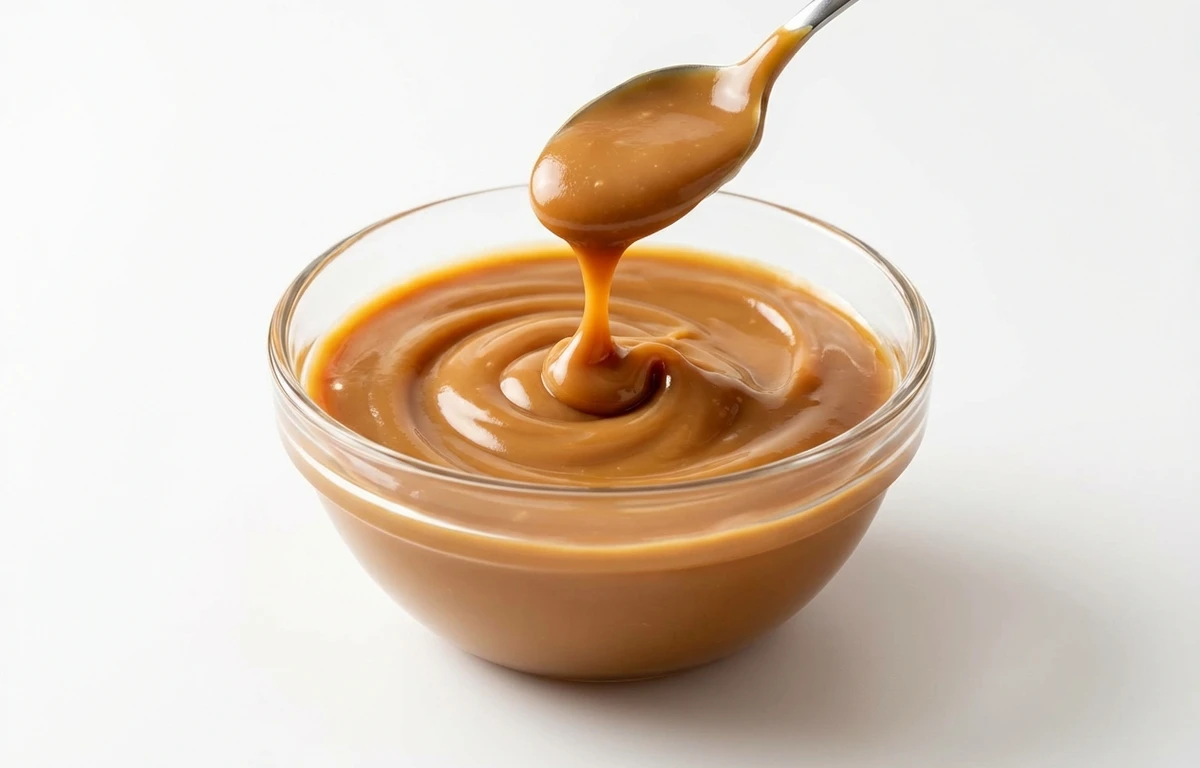
Dulce de leche has a rich, sweet, and creamy caramel-like flavor with notes of toasted milk. It's commonly used as a spread for toast, a filling for pastries and cakes (like alfajores), a topping for ice cream, or as an ingredient in various desserts and beverages.
Can I make dulce de leche at home?
Yes, dulce de leche can be easily made at home. The most common method involves slowly simmering sweetened condensed milk in a can (submerged in water) or in a double boiler until it thickens and caramelizes. Another method involves simmering milk and sugar together for several hours.
How do you store dulce de leche?
Unopened jars or cans of dulce de leche can be stored in a cool, dark pantry for several months, following the best-by date. Once opened, it should be refrigerated in an airtight container and typically lasts for 2-3 weeks.
Can I freeze dulce de leche?
Yes, dulce de leche can be frozen. Transfer it to an airtight, freezer-safe container, leaving a little headspace. It can be stored in the freezer for up to 3 months. Thaw it in the refrigerator overnight before use, and stir well to restore its smooth consistency.
RECIPES
Cook with dulce de leche.
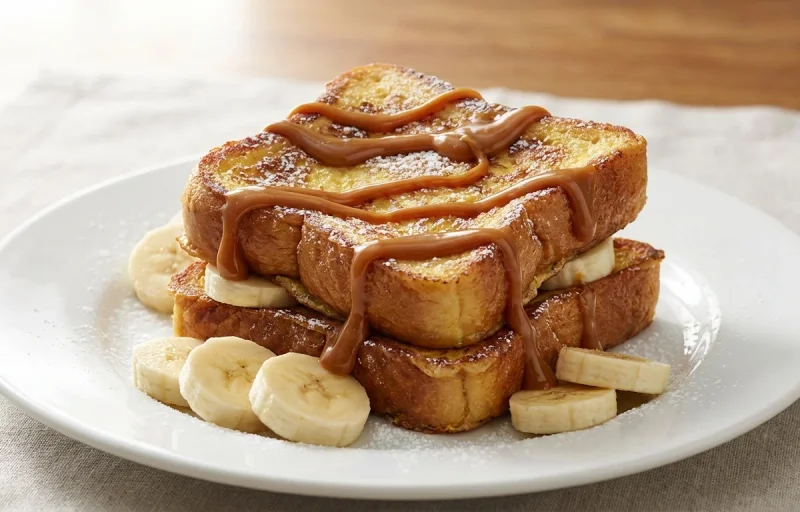
1 recipes · sorted by what’s quick