Protein10 recipes
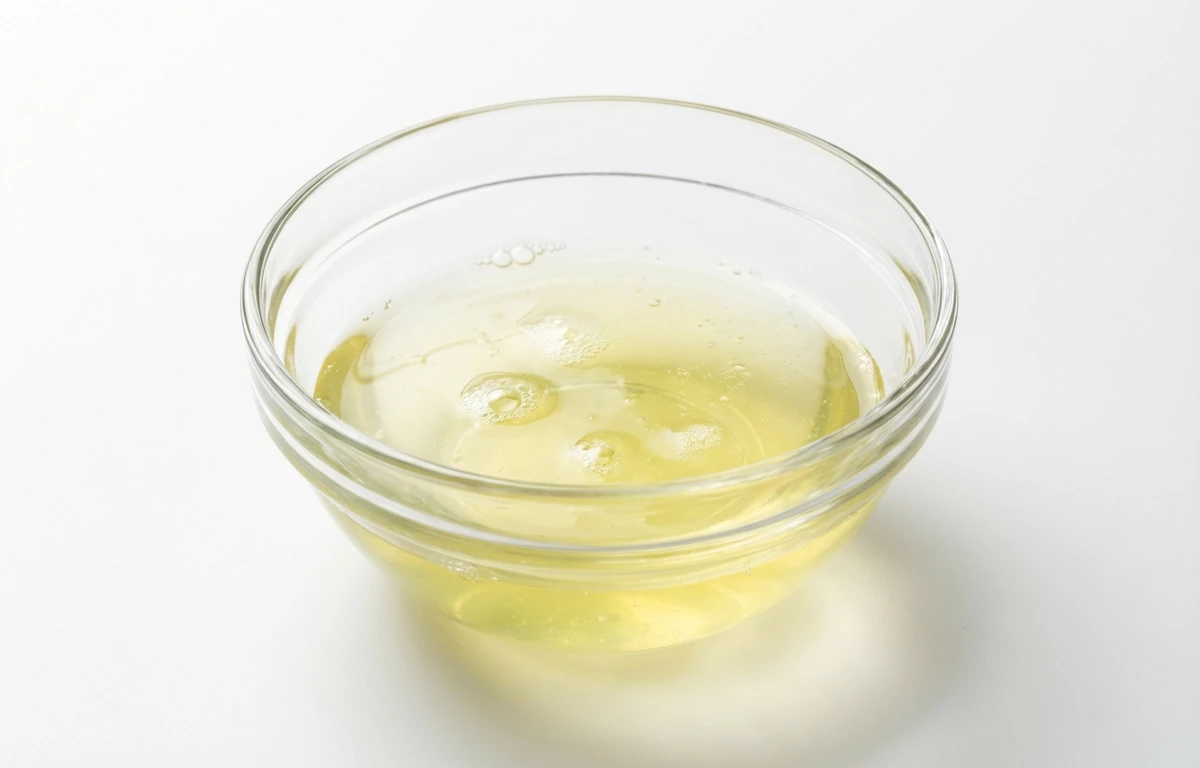
egg white.
VegetarianVeganGluten-freeDairy-freeNut-freePeanut-freeSoy-freeEgg-freeShellfish-freeHoney-freeAlcohol-free
ALSO KNOWN AS
Large Egg Whiteslarge egg whitefresh egg whiteraw egg whitealbumenegg whiteअंडे का सफेद भागegg whitesraw frozen pasteurized egg white
SERVING
CALORIES
52
PROTEIN
10.9g
CARBS
0.70g
FAT
0.20g
FIBER
0g
NUTRITION PROFILE · per 100 g
Everything in this ingredient.
MACRONUTRIENTS
Calories52kcal—
Protein10.9g22%
Carbohydrates0.70g0%
Fiber0g0%
Sugar0.70g1%
Total fat0.20g0%
Saturated fat0.10g1%
Cholesterol0mg0%
Water87.9g—
MINERALS
Sodium166mg7%
Potassium163mg3%
Calcium7.0mg1%
Iron0.10mg1%
Magnesium3.6mg1%
Phosphorus5.0mg0%
Zinc0.01mg0%
Copper0.01mg1%
Manganese0mg0%
Selenium6.6µg12%
VITAMINS
Vitamin A0µg0%
Vitamin C0mg0%
Vitamin D0µg0%
Vitamin E0mg0%
Vitamin K1.0µg1%
Thiamin (B1)0mg0%
Riboflavin (B2)0.15mg12%
Niacin (B3)0.04mg0%
Pantothenic acid (B5)0.06mg1%
Vitamin B60mg0%
Folate (B9)1.3µg0%
Vitamin B120.03µg1%
%DV based on a 2,000 cal diet. Source: USDA FoodData Central. A dash in the %DV column means there’s no established Daily Value for that nutrient.
MEASUREMENT CONVERSIONS
How much is what.
1 cup243g
1 tablespoon15.2g
1 teaspoon5.1g
1 ml1g
1 liter1012.5g
1 piece33g
HEALTH BENEFITS
Why eat it.
- ✓Excellent source of high-quality, low-fat protein, essential for muscle repair and growth.
- ✓Virtually fat-free and cholesterol-free, making it a heart-healthy protein choice.
- ✓Rich in riboflavin (Vitamin B2) and selenium, which support energy metabolism and antioxidant functions.
- ✓Contains albumin, a protein that can help maintain fluid balance and blood pressure.
COOKING TIPS
In the kitchen.
- 1For maximum volume when whipping, ensure egg whites are at room temperature and that the bowl and beaters are completely free of any fat or yolk.
- 2Use as a leavening agent in soufflés, meringues, and angel food cake, or as a binder in recipes.
- 3A small amount of an acid, like cream of tartar or lemon juice, helps stabilize whipped egg whites and increases their volume.
- 4Can be used to create a clear coating (glaze) on baked goods or to clarify stocks and consommés.
STORAGE
Keep it fresh.
- Store fresh, separated egg whites in an airtight container in the refrigerator for up to 4 days.
- For longer storage, freeze egg whites in ice cube trays, then transfer to a freezer bag. They can be kept for up to 12 months.
FAQ
Frequently asked questions.
Are egg whites healthy?
Yes, egg whites are highly nutritious as they provide high-quality protein with very few calories. They are virtually fat-free and cholesterol-free, making them an excellent choice for heart health and muscle maintenance.
How much protein is in egg whites?
100g of egg whites contains approximately 10.9g of protein. A single large egg white typically provides about 3.6g of protein, making it an efficient source of lean protein for those looking to increase their intake without extra fat.
Are egg whites good for weight loss?
Yes, egg whites are ideal for weight loss because they are low in calories (52 per 100g) but high in protein. This combination helps promote satiety and preserve muscle mass while maintaining a calorie deficit.
Are egg whites keto-friendly?
Yes, egg whites are keto-friendly as they contain only 0.7g of carbohydrates per 100g. While they lack the healthy fats found in yolks, they are a pure protein source that fits well within a ketogenic or low-carb diet.
Are egg whites cholesterol-free?
Yes, egg whites are naturally cholesterol-free. All of the cholesterol and fat in an egg are contained within the yolk, making the whites a preferred protein source for those monitoring their heart health or cholesterol levels.
How do you cook egg whites?
Egg whites can be scrambled, fried, or used to make omelets and frittatas. They are also commonly whipped into stiff peaks for meringues, soufflés, and angel food cakes to provide structure and lift.
Can I substitute whole eggs with egg whites in baking?
Yes, you can generally substitute two egg whites for one whole egg in many recipes. However, since yolks provide fat and emulsifiers, the final product may be slightly drier or less rich than the original version.
Can you eat egg whites raw?
While raw egg whites are used in some recipes like royal icing, it is safer to consume them cooked to avoid Salmonella risk. Additionally, cooking improves the bioavailability of the protein and neutralizes avidin, which can interfere with biotin absorption.
How long do egg whites last in the fridge?
Fresh egg whites separated from the yolk should be stored in an airtight container and used within 2 to 4 days. Liquid egg whites from a carton typically last 3 to 7 days after opening, depending on the manufacturer's instructions.
Can you freeze egg whites?
Yes, egg whites freeze very well. Place individual whites in an ice cube tray, freeze until solid, and then transfer to a freezer bag; they will maintain their quality for up to 12 months and can be thawed for use in cooking or baking.
RECIPES
Cook with egg white.
10 recipes · sorted by what’s quick