Loading...
Also known as:
Per 100g
Nutrition data source: USDA FoodData Central
Common measurement equivalents in grams
Yes, fada is a very healthy whole grain. It's rich in dietary fiber, which aids digestion and promotes satiety, and provides complex carbohydrates for sustained energy. It's also low in fat and cholesterol, making it beneficial for heart health.
Per 100g, fada provides approximately 342 calories, 12.3g protein, 75.9g carbohydrates, and 1.3g fat. It's an excellent source of dietary fiber, and contains essential minerals like manganese, magnesium, and iron, supporting overall health and energy metabolism.
Fada can be beneficial for weight loss due to its high fiber content. Fiber helps you feel full longer, reducing overall calorie intake. Its complex carbohydrates also provide sustained energy, preventing sudden hunger pangs and supporting a balanced diet.
No, fada (broken wheat) is not gluten-free. As it is derived from wheat, it naturally contains gluten and is not suitable for individuals with celiac disease or gluten sensitivity.
Yes, fada can be a good option for diabetics in moderation. Its complex carbohydrates and high fiber content help in slow glucose release, which can aid in managing blood sugar levels compared to refined grains. Portion control is key.
No, fada is not keto-friendly. With approximately 75.9g of carbohydrates per 100g, it is too high in carbs to fit into a ketogenic diet, which typically restricts daily carb intake to 20-50g.
Fada is typically cooked by boiling or pressure cooking. For a basic preparation, combine one part fada with two to three parts water or broth, bring to a boil, then simmer until the liquid is absorbed and the fada is tender, usually 15-20 minutes. It can also be roasted before boiling for a nuttier flavor.
fada is a versatile ingredient found in cuisines around the world. With 342 calories per 100g and 12.3 grams of protein, it's a nutritious addition to many dishes.
Explore more ingredients in the grain category with complete nutrition information.
View all grain →Explore more ingredients similar to fada.
The most-searched ingredients on CraftMyMeals.
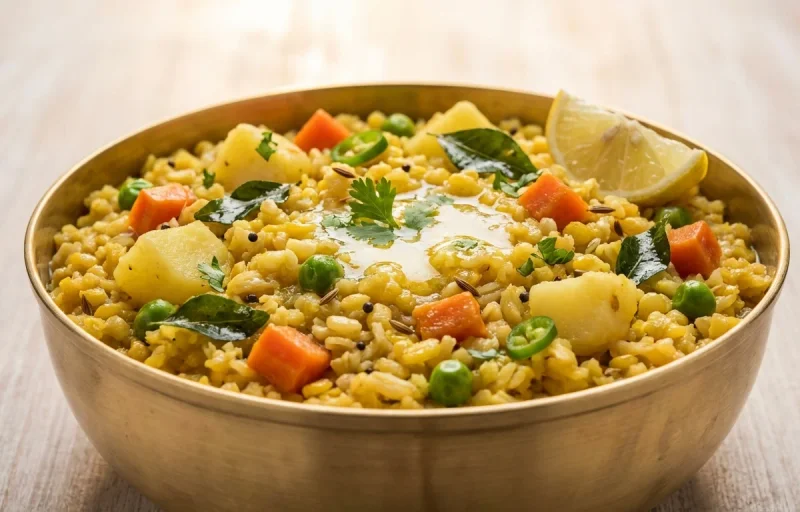
Fada has a mild, slightly nutty flavor and a chewy texture. It's incredibly versatile and can be used in savory dishes like upma, khichdi, or as a pilaf base, and in sweet preparations like porridge (dalia) or kheer. It's a great substitute for rice or couscous.
Fada should be stored in an airtight container in a cool, dry, and dark place, away from direct sunlight and moisture. Proper storage helps prevent spoilage and keeps insects away. It can last for several months when stored correctly.
Fada is essentially another name for broken wheat or cracked wheat, often referred to as 'dalia' in India. Bulgur is also a type of broken wheat, but it has been parboiled, dried, and then cracked, which gives it a quicker cooking time and distinct texture compared to raw broken wheat (fada).