Other4 recipes
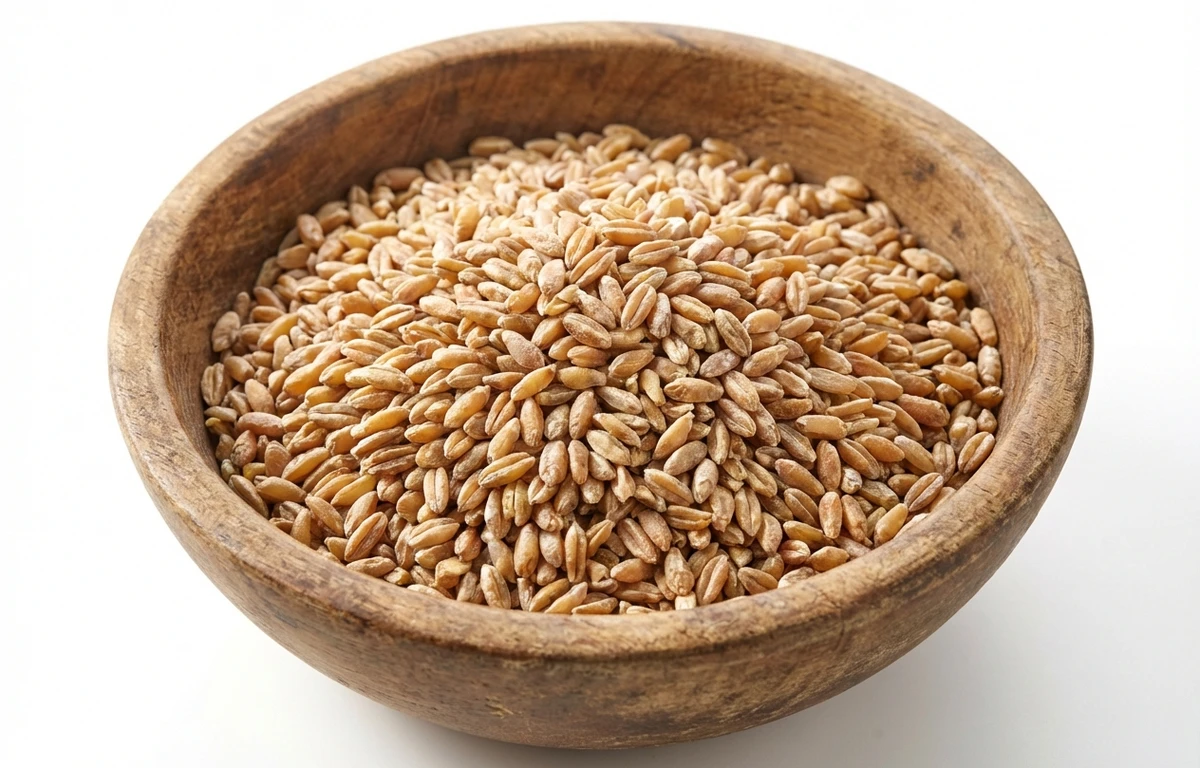
farro.
VegetarianVeganGluten-freeDairy-freeNut-freePeanut-freeSoy-freeEgg-freeShellfish-freeHoney-freeAlcohol-freeWhole grain
ALSO KNOWN AS
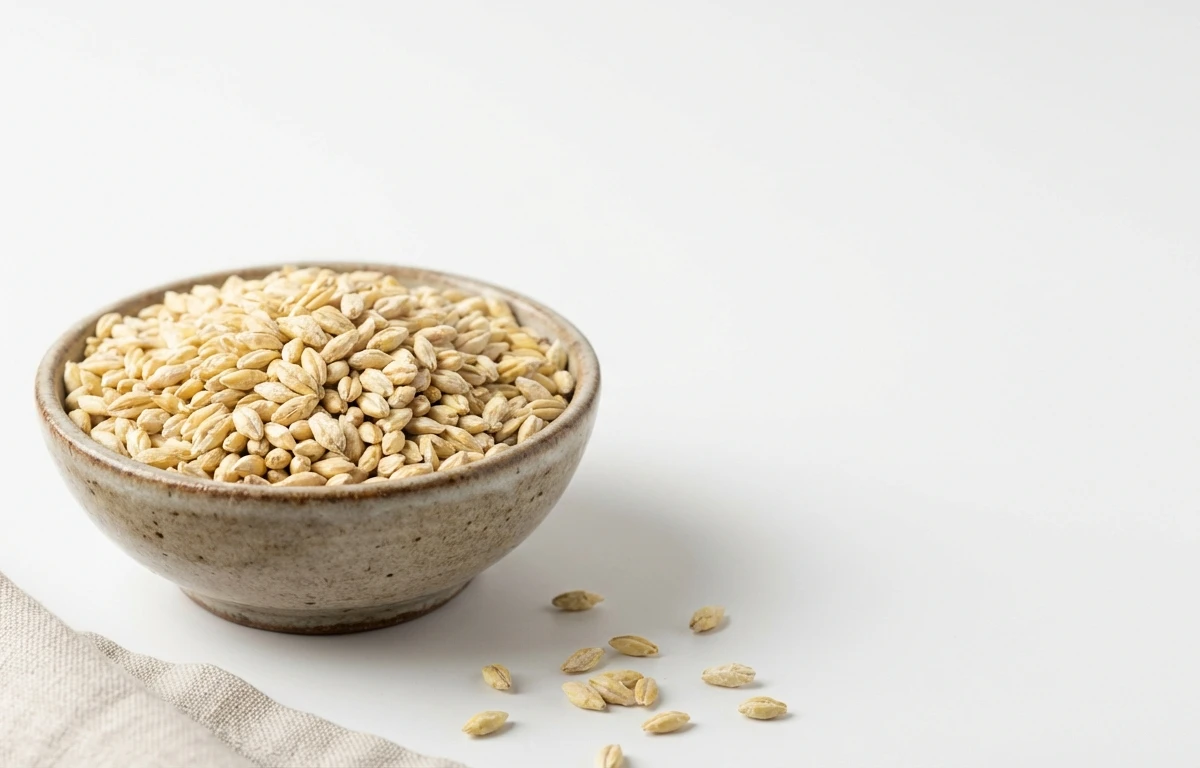
farroraw dry pearled farro
SERVING
CALORIES
115
PROTEIN
4.5g
CARBS
23.5g
FAT
0.70g
FIBER
3.5g
NUTRITION PROFILE · per 100 g
Everything in this ingredient.
MACRONUTRIENTS
Calories115kcal—
Protein4.5g9%
Carbohydrates23.5g9%
Fiber3.5g13%
Sugar0.30g1%
Total fat0.70g1%
Saturated fat0.10g1%
Trans fat0g—
Cholesterol0mg0%
Water70g—
MINERALS
Sodium2.0mg0%
Potassium120mg3%
Calcium10mg1%
Iron1.2mg7%
Magnesium53.6mg13%
Phosphorus166mg13%
Zinc1.8mg16%
Copper0.21mg23%
Manganese1.8mg76%
Selenium26.5µg48%
Iodine0µg0%
VITAMINS
Vitamin A0µg0%
Vitamin C0mg0%
Vitamin D0µg0%
Vitamin E0.30mg2%
Vitamin K1.0µg1%
Thiamin (B1)0.17mg14%
Riboflavin (B2)0.07mg5%
Niacin (B3)2.6mg16%
Pantothenic acid (B5)0.26mg5%
Vitamin B60.11mg6%
Folate (B9)18.9µg5%
Vitamin B120µg0%
%DV based on a 2,000 cal diet. Source: USDA FoodData Central. A dash in the %DV column means there’s no established Daily Value for that nutrient.
MEASUREMENT CONVERSIONS
How much is what.
1 cup190g
1 tablespoon11.9g
1 teaspoon4g
1 ml0.8g
1 liter793.3g
HEALTH BENEFITS
Why eat it.
- ✓High in dietary fiber, which supports digestive health, promotes satiety, and can help manage cholesterol levels.
- ✓Provides complex carbohydrates for sustained energy release, making it a good choice for athletes and active individuals.
- ✓A good source of plant-based protein, essential for muscle repair and overall body function.
- ✓Rich in minerals like magnesium, zinc, and iron, which are vital for bone health, immune function, and oxygen transport.
COOKING TIPS
In the kitchen.
- 1For a richer, nuttier flavor, toast the dry farro in a dry skillet over medium heat for 2-3 minutes before adding liquid.
- 2Cook farro using a 1:3 ratio of grain to liquid (water or broth). Bring to a boil, then reduce heat and simmer for 20-40 minutes, depending on whether it's pearled, semi-pearled, or whole.
- 3Soaking whole farro overnight can reduce its cooking time by about half.
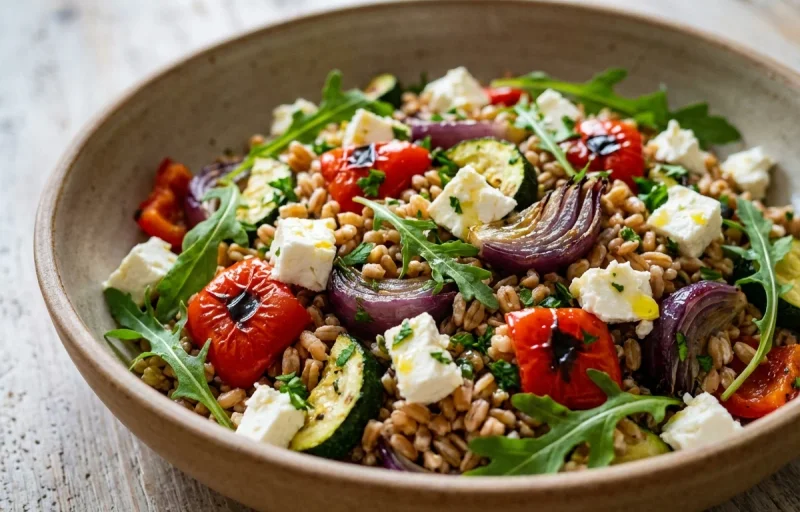
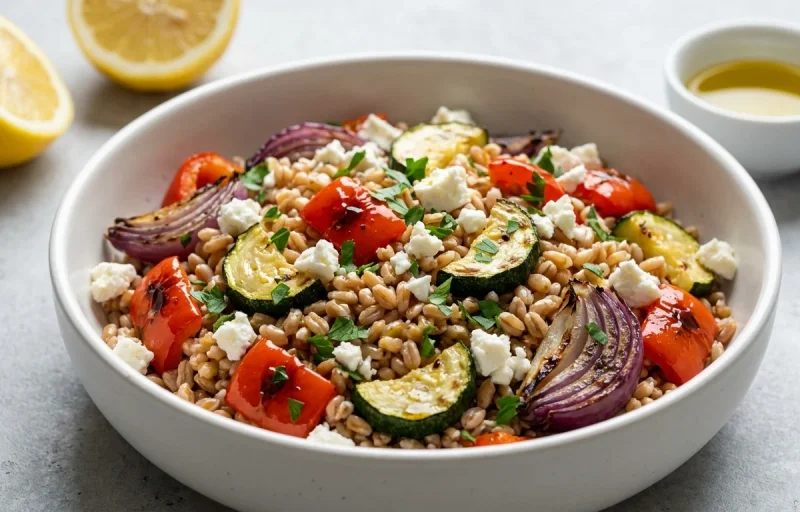
- 4Farro has a chewy texture and nutty flavor that works well in salads, soups, grain bowls, and as a substitute for rice or pasta.
STORAGE
Keep it fresh.
- Store uncooked dry farro in an airtight container in a cool, dark, and dry place, such as a pantry, for up to one year.
- Once cooked, farro should be stored in an airtight container in the refrigerator for up to 5 days.
FAQ
Frequently asked questions.
Is farro healthy?
Yes, farro is a highly nutritious ancient grain. It's rich in dietary fiber, which aids digestion and promotes satiety, and provides complex carbohydrates for sustained energy. Farro is also a good source of plant-based protein and essential minerals like magnesium, zinc, and iron.
How much protein and calories are in farro?
Per 100 grams of cooked farro, there are approximately 115 calories and 4.5 grams of protein. It also contains about 23.5 grams of complex carbohydrates and only 0.7 grams of fat, making it a nutrient-dense food.
Is farro good for weight loss?
Yes, farro can be beneficial for weight loss due to its high fiber content. The fiber helps you feel full longer, reducing overall calorie intake. Its complex carbohydrates also provide sustained energy, preventing sudden hunger pangs.
Is farro gluten-free?
No, farro is not gluten-free. It is a type of wheat and contains gluten, so it is not suitable for individuals with celiac disease or gluten sensitivity.
Is farro suitable for a low-carb or keto diet?
No, farro is not suitable for low-carb or keto diets. As a grain, it is relatively high in carbohydrates, with approximately 23.5 grams per 100 grams of cooked farro. It is best enjoyed as part of a balanced diet rather than a restrictive low-carb plan.
Can diabetics eat farro?
Yes, farro can be a good choice for diabetics in moderation. Its high fiber content and complex carbohydrates help regulate blood sugar levels by slowing down glucose absorption. Always monitor portion sizes and consult with a healthcare professional or dietitian.
How do you cook farro?
Farro is typically cooked like rice or pasta. For whole or semi-pearled farro, combine one part farro with three parts water or broth, bring to a boil, then simmer until tender (30-40 minutes for whole, 20-30 for semi-pearled). Pearled farro cooks faster, usually in 15-20 minutes.
What does farro taste like and what can it be used for?
Farro has a nutty, earthy flavor and a satisfying chewy texture. It's incredibly versatile and can be used in salads, soups, stews, or as a side dish similar to rice or quinoa. It also makes a great base for grain bowls or a hearty breakfast porridge.
How should I store farro?
Uncooked, dry farro should be stored in an airtight container in a cool, dark place, where it can last for up to a year. Cooked farro can be refrigerated in a sealed container for 3-5 days or frozen for up to 3 months.
What is the difference between whole, semi-pearled, and pearled farro?
Whole farro retains all its bran, germ, and endosperm, offering the most nutrients and requiring the longest cooking time. Semi-pearled farro has some of the bran removed, cooking faster. Pearled farro has most or all of the bran removed, cooking the quickest but with slightly less fiber.
RECIPES
Cook with farro.
4 recipes · sorted by what’s quick