
Grain8 recipes
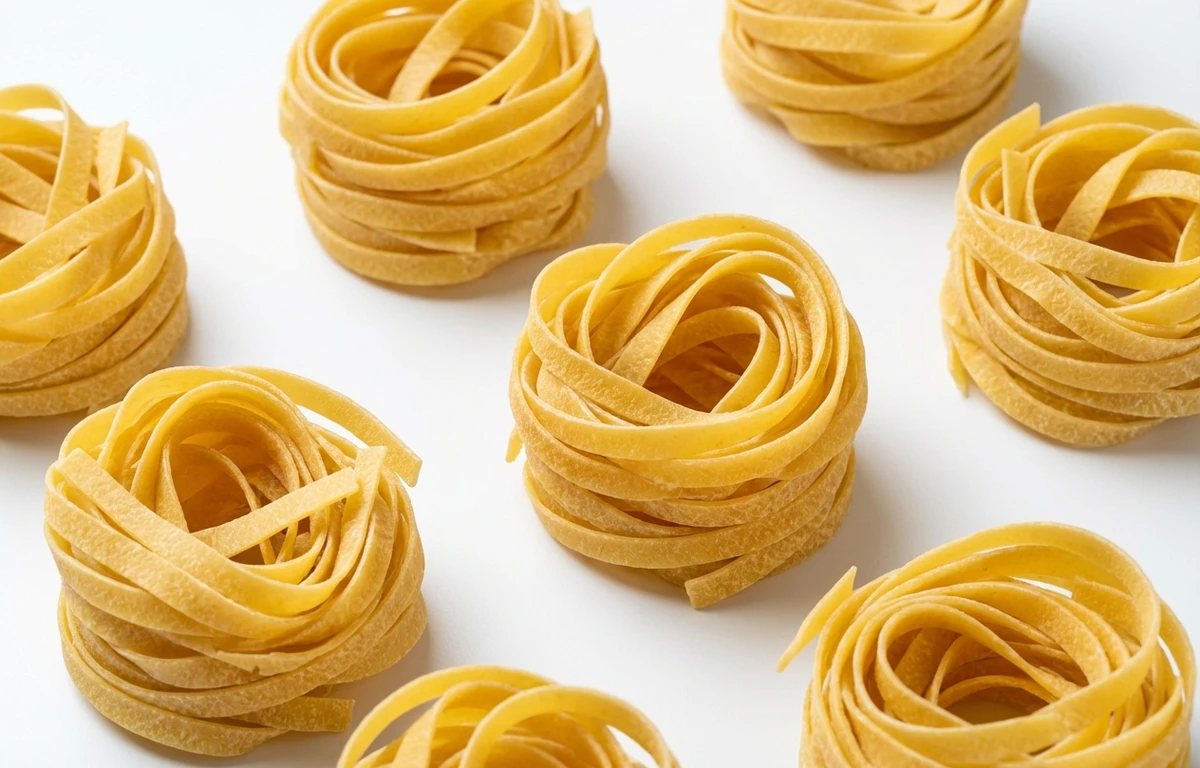
fettuccine pasta.
VegetarianVeganGluten-freeDairy-freeNut-freePeanut-freeSoy-freeEgg-freeShellfish-freeHoney-freeAlcohol-free
SERVING
CALORIES
371
PROTEIN
13g
CARBS
74.7g
FAT
1.5g
FIBER
3.2g
NUTRITION PROFILE · per 100 g
Everything in this ingredient.
MACRONUTRIENTS
Calories371kcal—
Protein13g26%
Carbohydrates74.7g27%
Fiber3.2g11%
Sugar2.7g5%
Total fat1.5g2%
Saturated fat0.30g2%
Trans fat0g—
Cholesterol0mg0%
Water10g—
MINERALS
Sodium6.0mg0%
Potassium223mg5%
Calcium21mg2%
Iron1.3mg7%
Magnesium53mg13%
Phosphorus189mg15%
Zinc1.4mg13%
Copper0.30mg33%
Manganese0.90mg39%
Selenium63.2µg115%
VITAMINS
Vitamin A0µg0%
Vitamin C0mg0%
Vitamin D0µg0%
Vitamin E0.10mg1%
Vitamin K0µg0%
Thiamin (B1)0.50mg42%
Riboflavin (B2)0.20mg15%
Niacin (B3)3.4mg21%
Pantothenic acid (B5)0.40mg8%
Vitamin B60.10mg6%
Folate (B9)18µg5%
Vitamin B120µg0%
%DV based on a 2,000 cal diet. Source: USDA FoodData Central. A dash in the %DV column means there’s no established Daily Value for that nutrient.
MEASUREMENT CONVERSIONS
How much is what.
1 cup90g
1 oz28.4g
1 lb453.6g
HEALTH BENEFITS
Why eat it.
- ✓Excellent source of complex carbohydrates for sustained energy
- ✓Low in fat and naturally cholesterol-free
- ✓Contains essential B-vitamins for metabolism support
- ✓Provides selenium, a powerful antioxidant mineral
- ✓Low glycemic index when cooked al dente, aiding blood sugar control
COOKING TIPS
In the kitchen.
- 1Use a large pot with plenty of salted water to prevent sticking
- 2Cook to 'al dente' (firm to the bite) for the best texture and lower GI
- 3Reserve a cup of pasta water to help emulsify and thin out sauces
STORAGE
Keep it fresh.
- Store in a cool, dry place away from direct sunlight
- Keep in an airtight container to prevent moisture absorption and pests
- Once cooked, store in the refrigerator for up to 3-5 days
FAQ
Frequently asked questions.
How long does dry fettuccine last?
Unopened dry pasta lasts up to 2 years in a cool, dry place. Once opened, it should be used within 1 year for best quality.
Can I freeze cooked fettuccine?
Yes, cooked fettuccine can be frozen for up to 2 months. Toss with a little oil first to prevent the strands from sticking together.
Is fettuccine pasta vegan?
Most dried fettuccine made from durum wheat semolina is vegan. However, 'fettuccine all'uovo' or fresh fettuccine usually contains eggs.
What is the best substitute for fettuccine?
Linguine or tagliatelle are the best substitutes as they have a similar flat, ribbon-like shape.
How much dry fettuccine should I cook per person?
A standard serving is 2 ounces (approx. 56g) of dry pasta per person, which yields about 1 cup of cooked pasta.
Why does my fettuccine stick together?
Sticking usually happens if the pot is too small or if the pasta isn't stirred immediately after being added to the boiling water.
What does 'al dente' mean for fettuccine?
It means 'to the tooth' in Italian, referring to pasta that is cooked to be firm to the bite rather than soft or mushy.
How do I know if dry pasta has gone bad?
Look for signs of pantry pests (weevils), discoloration, or a stale/musty odor. If it looks and smells normal, it is likely safe.
Is fettuccine gluten-free?
Standard fettuccine is made from wheat and contains gluten. Look for specific gluten-free versions made from corn, rice, or legumes.
Should I rinse fettuccine after cooking?
No, do not rinse pasta unless you are making a cold pasta salad. Rinsing removes the starch that helps the sauce cling to the noodles.
RECIPES
Cook with fettuccine pasta.
8 recipes · sorted by what’s quick



















