Vegetable4 recipes
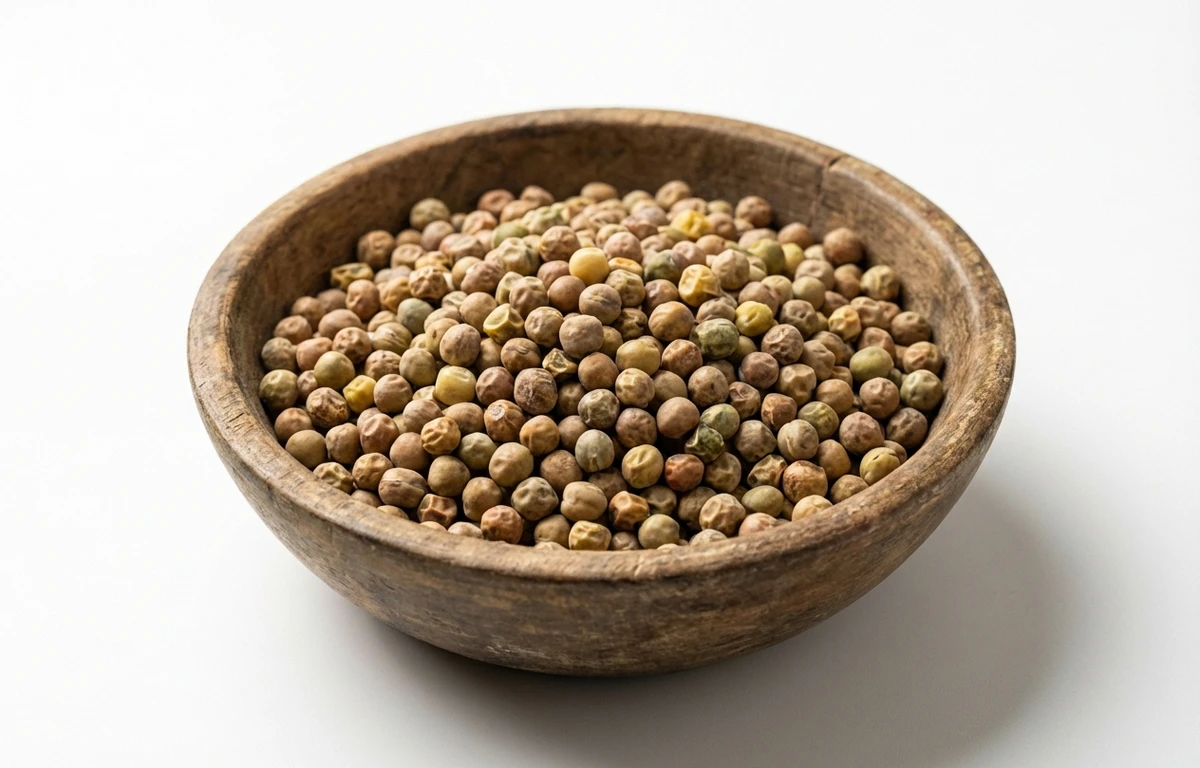
field peas.
VegetarianVeganGluten-freeDairy-freeNut-freePeanut-freeSoy-freeEgg-freeShellfish-freeHoney-freeAlcohol-freeHalalKosher
ALSO KNOWN AS
field peacowpeasblack-eyed peaslobiya
SERVING
CALORIES
116
PROTEIN
8.3g
CARBS
21.1g
FAT
0.52g
FIBER
8.2g
This ingredient is flagged as naturally gluten-free. Per 100 g, it provides 10.8 µg of vitamin K.
NUTRITION PROFILE · per 100 g
Everything in this ingredient.
MACRONUTRIENTS
Calories116kcal—
Protein8.3g17%
Carbohydrates21.1g8%
Fiber8.2g29%
Sugar3.3g7%
Total fat0.52g1%
Saturated fat0.10g1%
Trans fat0g—
Cholesterol0mg0%
Water68.1g—
MINERALS
Sodium4.0mg0%
Potassium350mg7%
Calcium27mg2%
Iron2.2mg12%
Magnesium124mg30%
Phosphorus363mg29%
Zinc2.8mg25%
Copper0.82mg91%
Manganese0.99mg43%
Selenium8.2µg15%
VITAMINS
Vitamin A10µg1%
Vitamin C1.5mg2%
Vitamin D0µg0%
Vitamin E0.13mg1%
Vitamin K10.8µg9%
Thiamin (B1)0.51mg43%
Riboflavin (B2)0.21mg16%
Niacin (B3)2.1mg13%
Pantothenic acid (B5)0.98mg20%
Vitamin B60.23mg14%
Folate (B9)274µg69%
Vitamin B120µg0%
%DV based on a 2,000 cal diet. Source: USDA FoodData Central. A dash in the %DV column means there’s no established Daily Value for that nutrient.
MEASUREMENT CONVERSIONS
How much is what.
1 cup198g
1 tablespoon12.4g
1 teaspoon4.1g
1 oz28.4g
1 lb453.6g
1 ml0.8g
1 liter825.3g
HEALTH BENEFITS
Why eat it.
- ✓Excellent source of plant-based protein, crucial for muscle building and repair.
- ✓Rich in essential micronutrients such as folate, iron, and magnesium, which support red blood cell production and nerve function.
- ✓May contribute to heart health by helping to lower cholesterol and blood pressure due to their fiber and potassium content.
COOKING TIPS
In the kitchen.
- 1If using dried field peas, soak them in water for at least 6-8 hours or overnight to shorten cooking time and improve texture.
- 2Simmer field peas gently; boiling them too vigorously can cause them to break apart and become mushy.
- 3Enhance their earthy flavor by cooking them with aromatics like onion, garlic, and bay leaves, or with smoked meats like ham hocks or turkey wings.
- 4Wait to add salt or acidic ingredients like tomatoes or vinegar until the peas are fully tender, as these can toughen their skins and prevent them from cooking properly.
STORAGE
Keep it fresh.
- Store fresh, un-shelled field peas in a perforated plastic bag in the refrigerator for up to one week.
- For long-term storage, blanch shelled peas for 2 minutes, cool in an ice bath, drain, and freeze in an airtight container for up to 8 months.
- Keep dried field peas in an airtight container in a cool, dark, and dry pantry, where they will last for at least a year.
FAQ
Frequently asked questions.
What is the nutritional content of field peas?
Per 100g, field peas contain approximately 116 calories, 8.33g of protein, 21.08g of carbohydrates, and only 0.52g of fat. They are also rich in dietary fiber, which contributes significantly to their carbohydrate content.
Are field peas vegan?
Yes, field peas are naturally vegan. As a legume, they are a plant-based food and do not contain any animal products or by-products, making them an excellent protein source for vegan diets.
How do you cook field peas?
Field peas are typically cooked by simmering them in water or broth until tender, which can take 30-60 minutes depending on whether they are fresh, frozen, or dried. They are often seasoned with herbs, spices, and sometimes smoked meats for flavor, commonly served as a side dish or added to stews.
What do field peas taste like?
Field peas have a mild, earthy, and slightly starchy flavor, often described as nuttier and less sweet than common green garden peas. Their texture is creamy when cooked thoroughly, making them a comforting and versatile ingredient.
How do you store field peas?
Fresh field peas in their pods can be stored in the refrigerator for up to a week. Shelled fresh peas should be used within a few days or frozen for longer storage. Dried field peas should be kept in an airtight container in a cool, dark place, where they can last for several years.
Are field peas different from green peas?
Yes, while both are legumes, field peas (also known as cowpeas or southern peas) are distinct from green garden peas. Field peas are typically grown for their dried seeds, have a more robust, earthy flavor, and are often cooked from a dried or fresh shelled state, whereas green peas are sweeter and usually eaten fresh or frozen.
RECIPES
Cook with field peas.
4 recipes · sorted by what’s quick