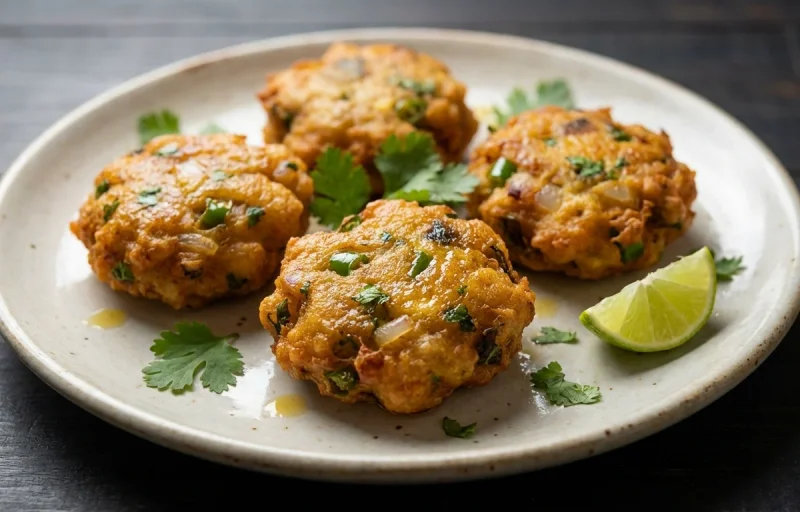
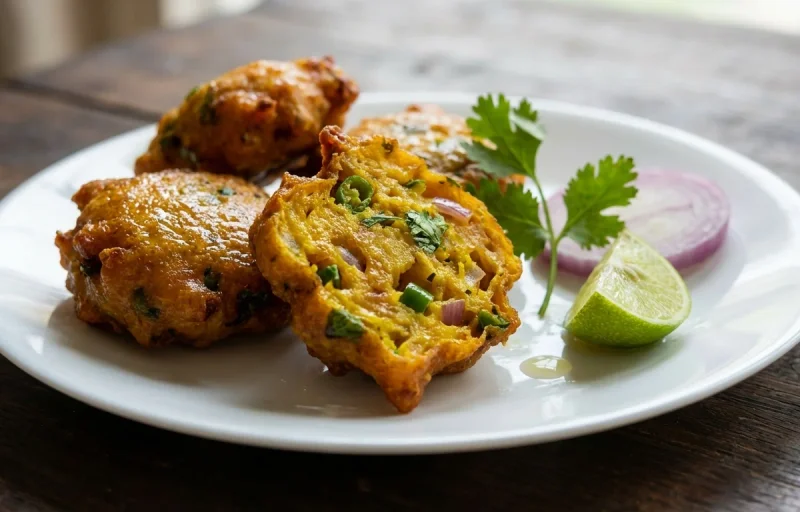
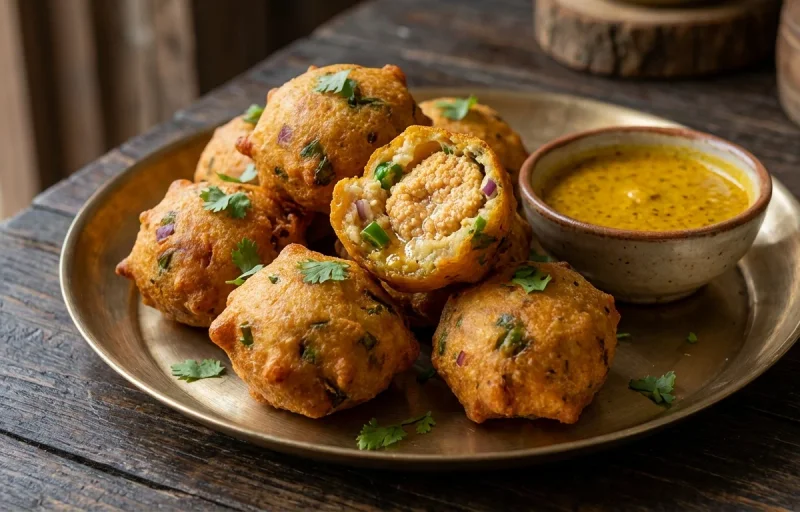
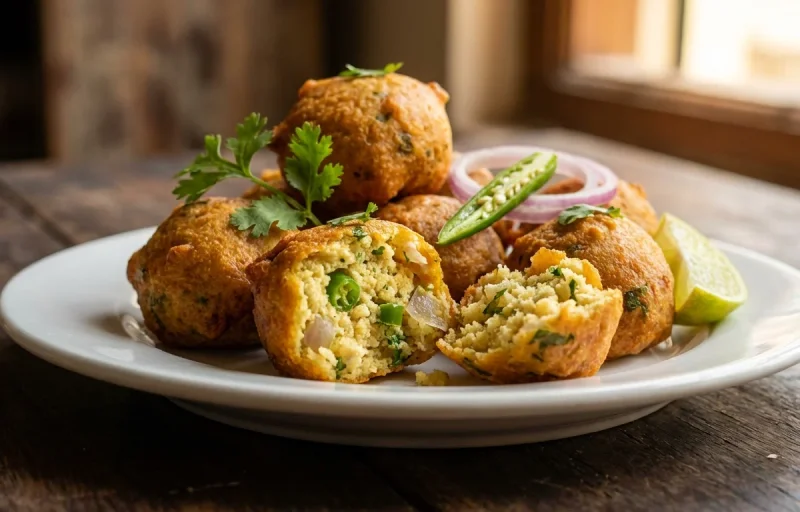
Protein4 recipes
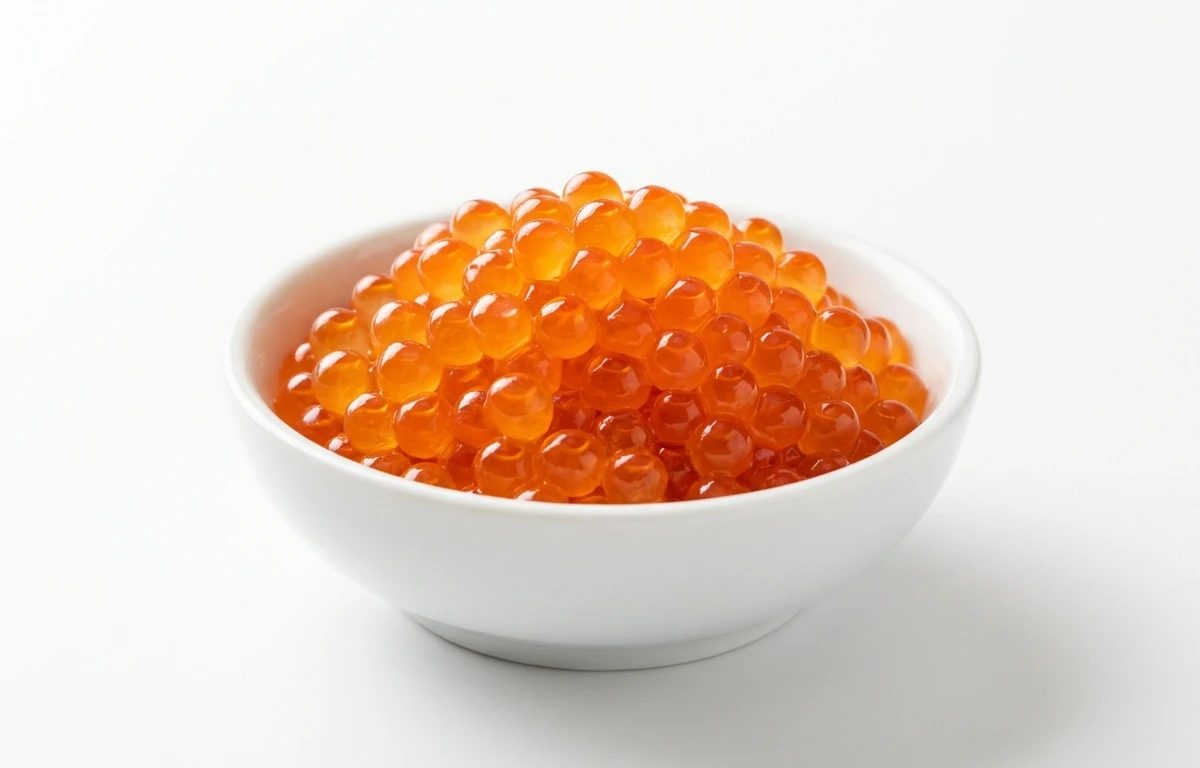
fish roe.
VegetarianVeganGluten-freeDairy-freeNut-freePeanut-freeSoy-freeEgg-freeShellfish-freeHoney-freeAlcohol-free
ALSO KNOWN AS
fish eggsroemacher dimfish roecooked fish roe
SERVING
CALORIES
143
PROTEIN
22.3g
CARBS
1.5g
FAT
6.4g
FIBER
0g
NUTRITION PROFILE · per 100 g
Everything in this ingredient.
MACRONUTRIENTS
Calories143kcal—
Protein22.3g45%
Carbohydrates1.5g1%
Fiber0g0%
Sugar0g0%
Total fat6.4g8%
Saturated fat1.5g7%
Cholesterol374mg125%
Water67.7g—
MINERALS
Sodium91mg4%
Potassium221mg5%
Calcium22mg2%
Iron0.60mg3%
Magnesium20mg5%
Phosphorus402mg32%
Zinc1.0mg9%
Copper0.10mg11%
Manganese0.01mg0%
Selenium40.3µg73%
VITAMINS
Vitamin A90µg10%
Vitamin C16mg18%
Vitamin D12.1µg61%
Vitamin E7.0mg47%
Vitamin K0.20µg0%
Thiamin (B1)0.24mg20%
Riboflavin (B2)0.74mg57%
Niacin (B3)1.8mg11%
Pantothenic acid (B5)1.0mg20%
Vitamin B60.16mg9%
Folate (B9)80µg20%
Vitamin B1210µg417%
%DV based on a 2,000 cal diet. Source: USDA FoodData Central. A dash in the %DV column means there’s no established Daily Value for that nutrient.
MEASUREMENT CONVERSIONS
How much is what.
1 cup224g
1 tablespoon14g
1 teaspoon4.7g
1 ml0.9g
1 liter933.3g
HEALTH BENEFITS
Why eat it.
- ✓Extremely rich in omega-3 fatty acids (EPA and DHA), which support brain health, reduce inflammation, and promote cardiovascular wellness.
- ✓Excellent source of Vitamin B12, essential for nerve function, DNA synthesis, and the formation of red blood cells.
- ✓High in Vitamin D, a fat-soluble vitamin crucial for calcium absorption, bone health, and immune system regulation.
- ✓Provides a concentrated source of high-quality protein and essential amino acids for tissue repair and muscle maintenance.
COOKING TIPS
In the kitchen.
- 1Serve chilled to preserve its delicate flavor and texture. It is an excellent garnish for sushi, canapés with crème fraîche, or stirred into scrambled eggs just before serving.
- 2When adding to hot dishes like pasta or sauces, incorporate it at the very end with the heat turned off to prevent the eggs from becoming tough or bursting.
- 3Use non-metallic utensils, such as mother-of-pearl, wood, or plastic spoons, when serving high-quality roe like caviar to avoid imparting a metallic taste.
- 4Pair with ingredients that complement its salty, briny flavor, such as butter, cream, lemon, potatoes, or blinis.
STORAGE
Keep it fresh.
- Store fresh or pasteurized fish roe in the coldest part of the refrigerator, ideally between 28°F and 32°F (-2°C to 0°C). Once opened, consume within 3-5 days.
- For long-term storage, some types of roe can be frozen at 0°F (-18°C) for up to 3 months. Thaw slowly in the refrigerator overnight before serving to maintain texture.
FAQ
Frequently asked questions.
Is fish roe healthy?
Yes, fish roe is highly nutritious. It's an excellent source of omega-3 fatty acids, which are crucial for brain and heart health, and also provides high-quality protein, essential vitamins like B12 and D, and important minerals. Its nutrient density makes it a beneficial addition to a balanced diet.
What are the key nutritional benefits of fish roe?
Fish roe is extremely rich in omega-3 fatty acids (EPA and DHA), supporting brain health, reducing inflammation, and promoting cardiovascular wellness. It's also an excellent source of Vitamin B12, essential for nerve function and DNA synthesis, and high in Vitamin D, crucial for bone health and immune regulation. Additionally, it provides a concentrated source of high-quality protein and essential amino acids.
How much protein and calories are in fish roe?
Per 100 grams, fish roe contains approximately 143 calories and a significant 22.32 grams of protein. It also provides about 6.42 grams of fat and only 1.5 grams of carbohydrates, making it a nutrient-dense food.
Is fish roe gluten-free?
Yes, natural fish roe is inherently gluten-free. However, always check the ingredient list of processed or flavored roe products, as some may contain additives or seasonings that include gluten.
Is fish roe keto-friendly?
Yes, fish roe is generally considered keto-friendly due to its low carbohydrate content (1.5g per 100g) and high protein and healthy fat profile. It can be a great way to add essential nutrients and flavor to a ketogenic diet.
How do you typically eat or prepare fish roe?
Fish roe is often enjoyed raw or lightly cured. It's commonly served as a garnish on sushi, blinis, or crackers, mixed into sauces, or spread on toast. Some larger roe, like that from cod or pollock, can also be cooked, grilled, or pan-fried.
What does fish roe taste like?
The taste of fish roe varies by species, but it generally has a briny, slightly salty, and often subtly sweet flavor. It's known for its unique texture, which can range from tiny, delicate pearls that pop in your mouth to larger, firmer grains.
How should I store fish roe?
Unopened fish roe should be stored in the coldest part of your refrigerator, typically for several weeks to a few months depending on the type and processing. Once opened, it should be consumed within a few days, kept tightly sealed in its original container or an airtight one to maintain freshness.
Is fish roe high in cholesterol?
Yes, fish roe can be relatively high in cholesterol. However, it also contains beneficial omega-3 fatty acids, which are known to support heart health and can help balance the effects of dietary cholesterol. For most healthy individuals, moderate consumption is generally not a concern.
Can pregnant women eat fish roe?
Generally, pasteurized or cured fish roe is considered safe for pregnant women in moderation, as it's a good source of omega-3s and other nutrients. However, it's often recommended to avoid raw or unpasteurized roe to minimize the risk of foodborne illness. Always consult with a healthcare provider for personalized dietary advice during pregnancy.
RECIPES
Cook with fish roe.
4 recipes · sorted by what’s quick