Protein10 recipes
fish sauce.
VegetarianVeganGluten-freeDairy-freeNut-freePeanut-freeSoy-freeEgg-freeShellfish-freeHoney-freeAlcohol-freeKosherFermented
ALSO KNOWN AS
nam planuoc mamteuk treipatisfermented fish sauce

SERVING
CALORIES
35
PROTEIN
5.1g
CARBS
3.7g
FAT
0g
FIBER
0g
NUTRITION PROFILE · per 100 g
Everything in this ingredient.
MACRONUTRIENTS
Calories35kcal—
Protein5.1g10%
Carbohydrates3.7g1%
Fiber0g0%
Sugar3.7g7%
Total fat0g0%
Saturated fat0g0%
Trans fat0g—
Cholesterol0mg0%
Water65g—
MINERALS
Sodium7850mg341%
Potassium288mg6%
Calcium43mg3%
Iron0.78mg4%
Magnesium175mg42%
Phosphorus155mg12%
Zinc0.52mg5%
Copper0.02mg2%
Manganese0.01mg0%
Selenium35µg64%
VITAMINS
Vitamin A0µg0%
Vitamin C0mg0%
Vitamin D0µg0%
Vitamin E0mg0%
Vitamin K0µg0%
Thiamin (B1)0.01mg1%
Riboflavin (B2)0.05mg4%
Niacin (B3)0.50mg3%
Pantothenic acid (B5)0.10mg2%
Vitamin B60.05mg3%
Folate (B9)2.0µg1%
Vitamin B120.50µg21%
%DV based on a 2,000 cal diet. Source: USDA FoodData Central. A dash in the %DV column means there’s no established Daily Value for that nutrient.
MEASUREMENT CONVERSIONS
How much is what.
1 cup288g
1 tablespoon18g
1 teaspoon6g
1 oz34g
1 lb453.6g
1 ml1.2g
1 liter1200g
HEALTH BENEFITS
Why eat it.
- ✓Rich in essential amino acids
- ✓Natural source of umami flavor
- ✓Contains B-complex vitamins
- ✓Provides essential minerals like iodine and selenium
- ✓Low in calories and fat
COOKING TIPS
In the kitchen.
- 1Add at the end of cooking to preserve its complex aroma
- 2Use as a salt substitute to add depth and savory notes to soups
- 3Balance its pungency with lime juice, sugar, and chili for dressings
STORAGE
Keep it fresh.
- Store in a cool, dark place away from direct sunlight
- Keep the cap tightly sealed to prevent oxidation and darkening
- Refrigeration is not required but can help maintain flavor for over a year
FAQ
Frequently asked questions.
How long does fish sauce last?
Unopened, it lasts 2-3 years. Once opened, it stays good for 12-18 months if stored in a cool, dark place.
Does fish sauce need to be refrigerated?
No, the high salt content acts as a natural preservative, but refrigeration can prevent the color from darkening over time.
What is a good vegetarian substitute for fish sauce?
A mixture of soy sauce and mushroom broth, or a dedicated 'vegan fish sauce' made from seaweed and fermented soy.
How do I pick a high-quality fish sauce?
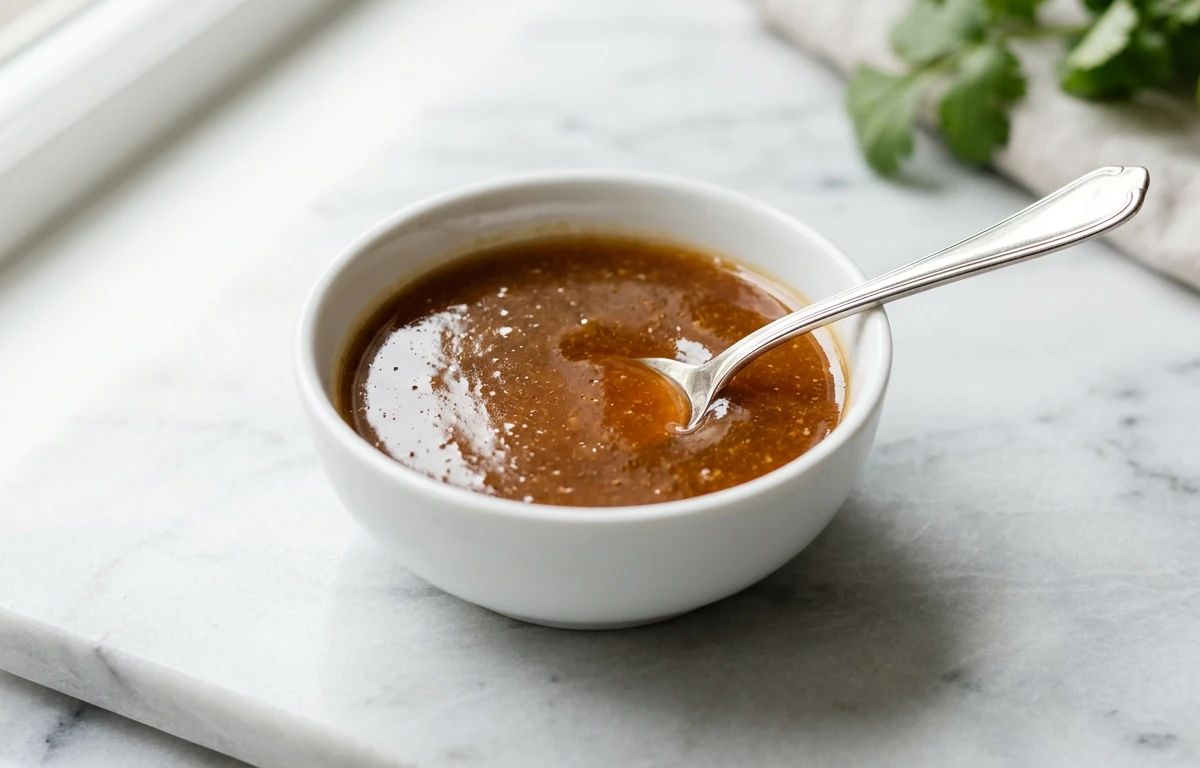
Look for a clear, reddish-brown amber color without sediment. Check the label for a high percentage of fish extract and minimal additives.
Is fish sauce gluten-free?
Traditional fish sauce made only from fish and salt is naturally gluten-free, but always check labels for added wheat-based flavorings.
Why does fish sauce smell so strong?
The pungent aroma comes from the long fermentation process of fish. However, this smell mellows significantly when cooked or mixed into dishes.
Can I use fish sauce instead of salt?
Yes, it is an excellent salt substitute that adds umami. Use approximately 1 tablespoon of fish sauce for every 1/2 teaspoon of salt.
Is fish sauce high in sodium?
Yes, fish sauce is extremely high in sodium due to the salt used in the fermentation process; it should be used sparingly.
What are the main ingredients in fish sauce?
The primary ingredients are typically anchovies (or other small fish), salt, and sometimes a small amount of sugar.
Can fish sauce go bad?
It rarely 'spoils' in a way that makes you sick due to the salt, but it can develop off-flavors or become overly salty as water evaporates.
RECIPES
Cook with fish sauce.
10 recipes · sorted by what’s quick
.webp)