Other10 recipes
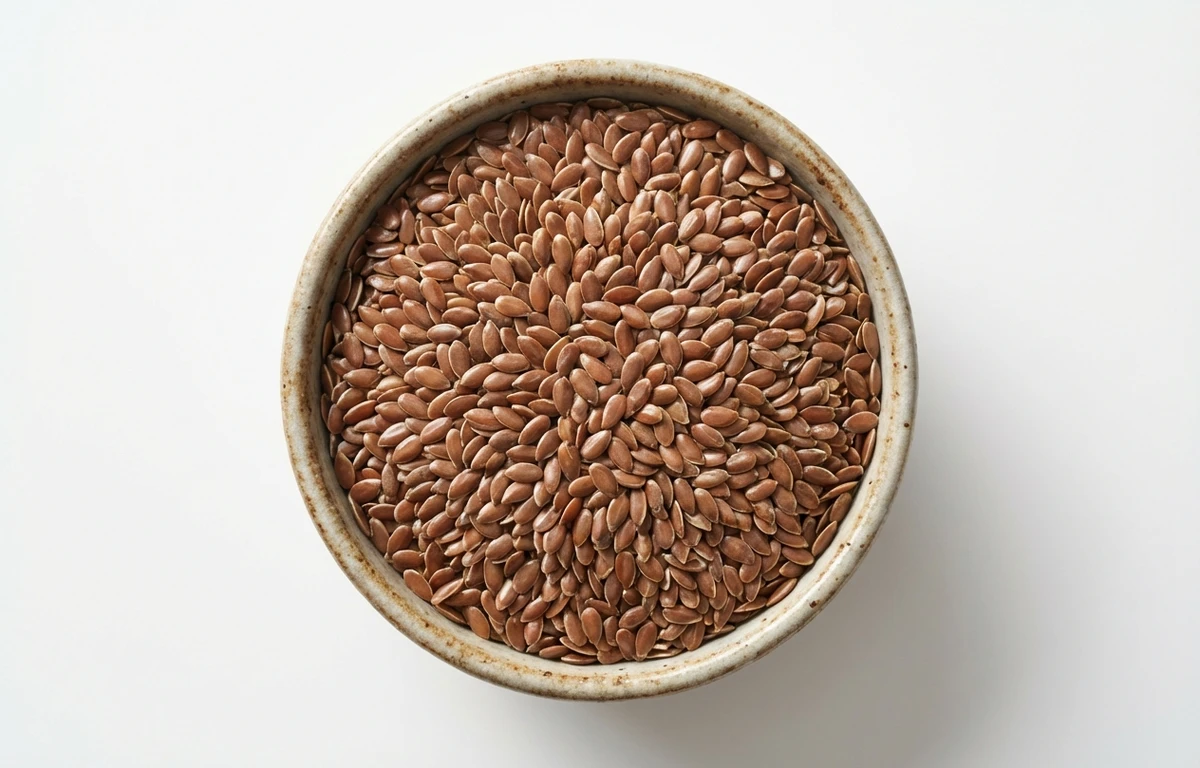
flax seeds.
VegetarianVeganGluten-freeDairy-freeNut-freePeanut-freeSoy-freeEgg-freeShellfish-freeHoney-freeAlcohol-free
ALSO KNOWN AS
linseedsalsijavas
SERVING
CALORIES
534
PROTEIN
18.3g
CARBS
28.9g
FAT
42.2g
FIBER
27.3g
This ingredient is flagged as naturally gluten-free. Per 100 g, it provides 1.0 µg of vitamin K.
NUTRITION PROFILE · per 100 g
Everything in this ingredient.
MACRONUTRIENTS
Calories534kcal—
Protein18.3g37%
Carbohydrates28.9g11%
Fiber27.3g98%
Sugar1.6g3%
Total fat42.2g54%
Saturated fat3.7g18%
Trans fat0g—
Cholesterol0mg0%
Water7.0g—
MINERALS
Sodium30mg1%
Potassium813mg17%
Calcium255mg20%
Iron5.7mg32%
Magnesium392mg93%
Phosphorus642mg51%
Zinc4.3mg39%
VITAMINS
Vitamin A0µg0%
Vitamin C0.60mg1%
Vitamin D0µg0%
Vitamin K1.0µg1%
Thiamin (B1)2.0mg167%
Riboflavin (B2)0.16mg12%
Niacin (B3)3.1mg19%
Vitamin B60.47mg28%
%DV based on a 2,000 cal diet. Source: USDA FoodData Central. A dash in the %DV column means there’s no established Daily Value for that nutrient.
MEASUREMENT CONVERSIONS
How much is what.
1 cup168g
1 tablespoon10.5g
1 teaspoon3.5g
1 ml0.7g
1 liter700g
HEALTH BENEFITS
Why eat it.
- ✓Excellent source of alpha-linolenic acid (ALA), a plant-based omega-3 fatty acid that supports heart and brain health.
COOKING TIPS
In the kitchen.
- 1Grind flax seeds just before use to maximize nutrient absorption, as the body cannot easily digest whole seeds. A coffee or spice grinder works well.
- 2Create a vegan egg substitute, or 'flax egg', by mixing one tablespoon of ground flaxseed with three tablespoons of water. Let it rest for 5-10 minutes until it forms a gel-like consistency, suitable for baking.
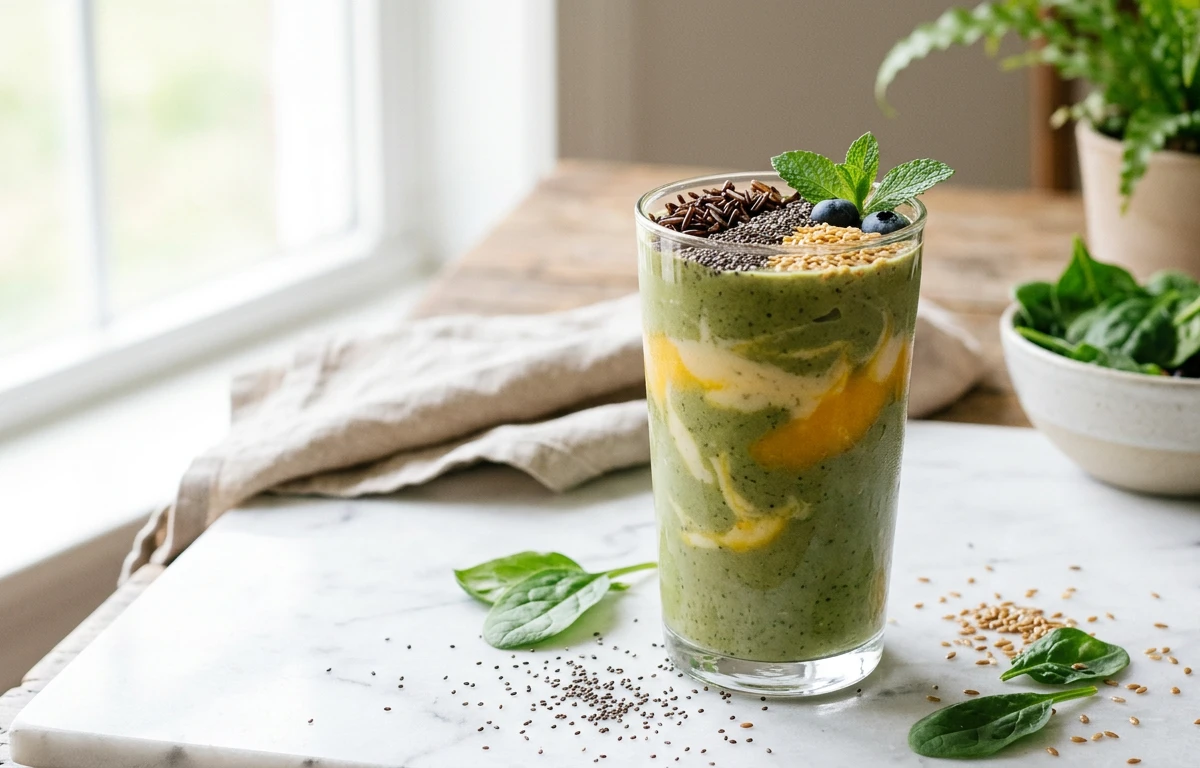
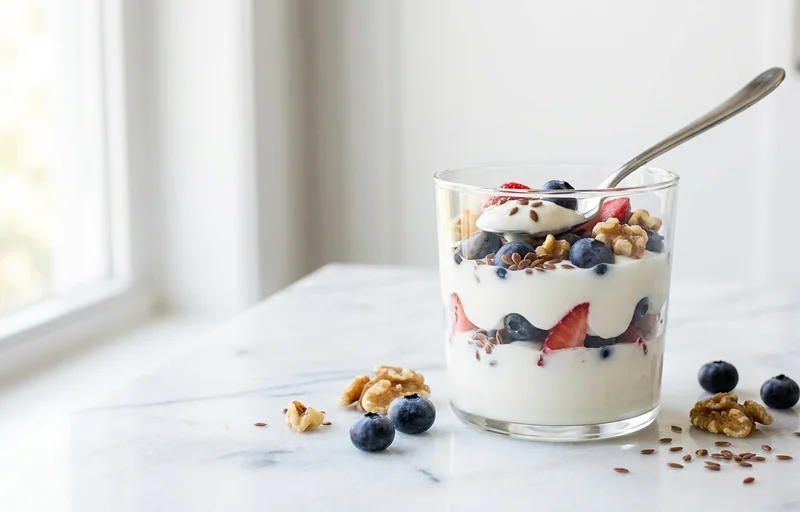
- 3Easily incorporate ground flaxseed into smoothies, oatmeal, yogurt, cereals, or sprinkle it over salads and soups for a boost in fiber and omega-3s.
- 4Add ground flaxseed to baked goods like muffins, bread, and cookies to increase their nutritional value and add a slightly nutty flavor.
STORAGE
Keep it fresh.
- Store whole flax seeds in a cool, dark, and dry place in an airtight container for up to one year.
- Keep ground flaxseed (flax meal) in an airtight container in the refrigerator for up to 3 months or in the freezer for up to 6 months to protect its delicate oils from oxidation and rancidity.
FAQ
Frequently asked questions.
What are the main nutritional components of flax seeds?
Per 100g, flax seeds contain approximately 534 calories, 18.3g of protein, 28.9g of carbohydrates (mostly fiber), and 42.2g of fat, primarily healthy polyunsaturated fats like ALA. They are also a good source of essential minerals like magnesium, phosphorus, and thiamine.
How can I incorporate flax seeds into my diet?
Ground flax seeds can be easily added to smoothies, oatmeal, yogurt, cereals, and baked goods like muffins or bread. They can also be sprinkled over salads or used as a thickening agent in sauces. Start with 1-2 tablespoons daily.
What do flax seeds taste like?
Flax seeds have a mild, slightly nutty flavor. When ground, they can add a subtle earthy taste to dishes without overpowering other flavors, making them versatile for both sweet and savory applications.
How should I store flax seeds to maintain freshness?
Whole flax seeds can be stored in an airtight container in a cool, dark place for up to a year. Ground flax seeds are more prone to oxidation, so they should be stored in an airtight container in the refrigerator or freezer to preserve their omega-3 fatty acids and extend their shelf life for several months.
Can flax seeds be used as an egg substitute in baking?
Yes, ground flax seeds mixed with water create a gelatinous mixture known as a "flax egg," which can effectively substitute eggs in many baking recipes. To make one flax egg, combine 1 tablespoon of ground flax seeds with 3 tablespoons of water and let it sit for 5-10 minutes until it thickens.
RECIPES
Cook with flax seeds.
10 recipes · sorted by what’s quick