Spice10 recipes
fresh thyme.
VegetarianVeganGluten-freeDairy-freeNut-freePeanut-freeSoy-freeEgg-freeShellfish-freeHoney-freeAlcohol-freeHalalKosher
ALSO KNOWN AS
thyme sprigsgarden thymecommon thymethymus vulgarisbanajwainfresh thymetomillo frescoFresh Thyme Sprigs
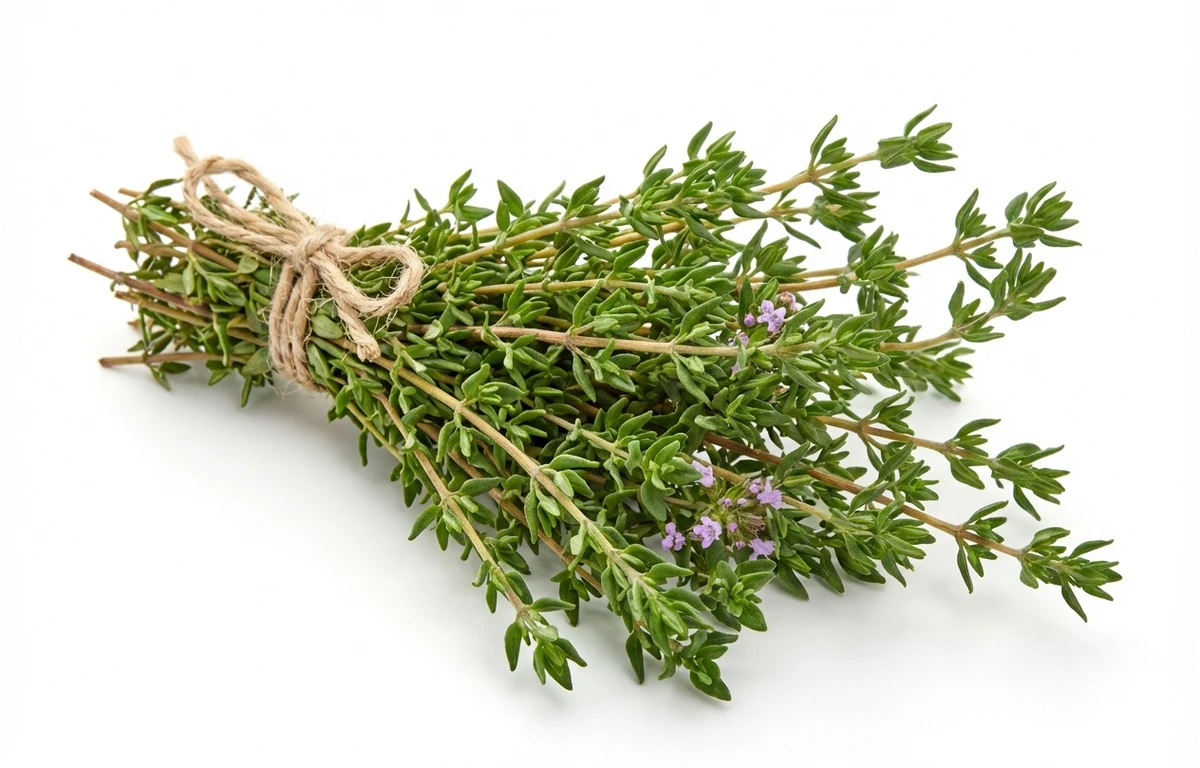
SERVING
CALORIES
53
PROTEIN
1.6g
CARBS
10.5g
FAT
0.50g
FIBER
3.9g
This ingredient is flagged as naturally gluten-free. Per 100 g, it provides 1714 µg of vitamin K.
NUTRITION PROFILE · per 100 g
Everything in this ingredient.
MACRONUTRIENTS
Calories52.9kcal—
Protein1.6g3%
Carbohydrates10.5g4%
Fiber3.9g14%
Sugar0.10g0%
Total fat0.50g1%
Saturated fat0.10g1%
Trans fat0g—
Cholesterol0mg0%
Water65.1g—
MINERALS
Sodium9.0mg0%
Potassium609mg13%
Calcium405mg31%
Iron17.5mg97%
Magnesium160mg38%
Phosphorus106mg8%
Zinc1.8mg16%
Copper0.50mg56%
Manganese1.7mg74%
Selenium0.70µg1%
VITAMINS
Vitamin A238µg26%
Vitamin C160mg178%
Vitamin D0µg0%
Vitamin E0.50mg3%
Vitamin K1714µg1428%
Thiamin (B1)0.05mg4%
Riboflavin (B2)0.47mg36%
Niacin (B3)1.8mg11%
Pantothenic acid (B5)0.40mg8%
Vitamin B60.35mg21%
Folate (B9)45µg11%
Vitamin B120µg0%
%DV based on a 2,000 cal diet. Source: USDA FoodData Central. A dash in the %DV column means there’s no established Daily Value for that nutrient.
MEASUREMENT CONVERSIONS
How much is what.
1 cup25g
1 tablespoon2.4g
1 teaspoon0.8g
1 oz28.4g
1 lb453.6g
1 piece1.5g
HEALTH BENEFITS
Why eat it.
- ✓Contains thymol which has antimicrobial properties
- ✓Good source of iron for red blood cell production
COOKING TIPS
In the kitchen.
- 1Strip leaves from woody stems by pulling your fingers down the stem against the direction of growth
- 2Add early in the cooking process as thyme releases its flavor slowly
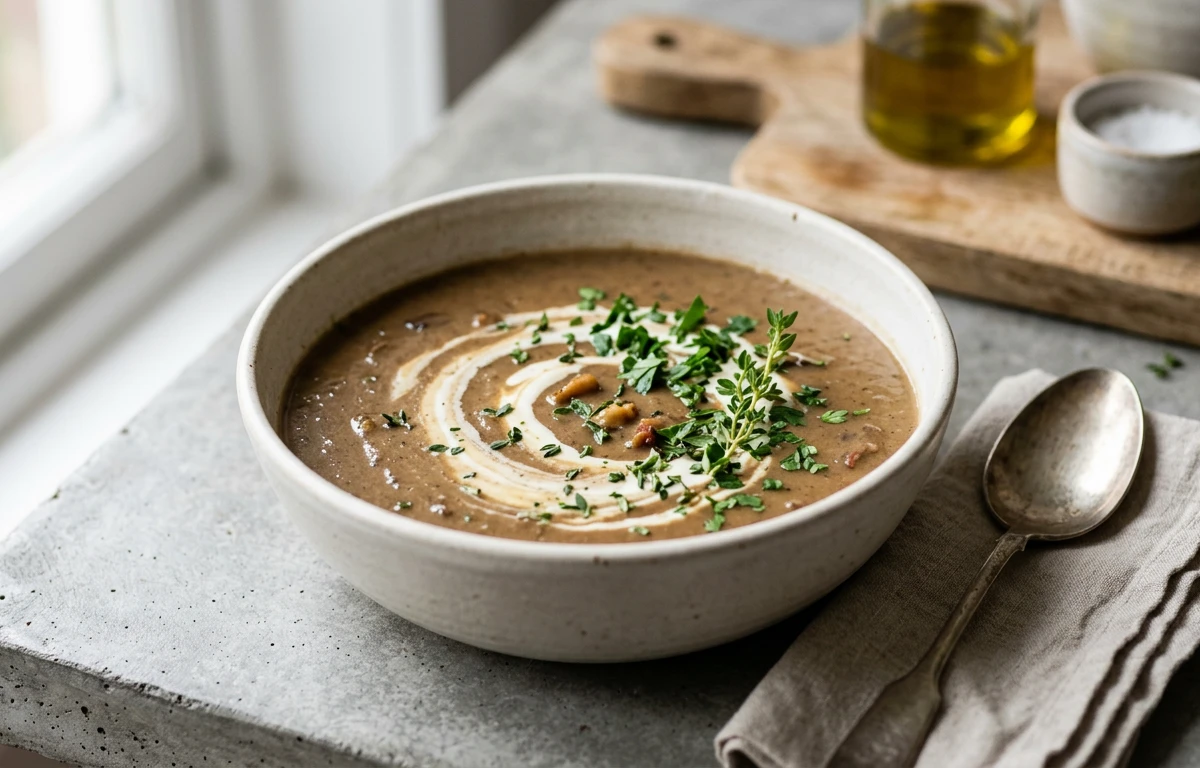
- 3Use the whole sprig in soups or stews and remove the woody stem before serving
STORAGE
Keep it fresh.
- Wrap loosely in a damp paper towel and store in a plastic bag in the refrigerator
- Can be frozen in ice cube trays filled with water or olive oil
- Keep stems in a small glass of water like a bouquet in the fridge
FAQ
Frequently asked questions.
How long does fresh thyme last in the fridge?
When stored properly in a damp paper towel and plastic bag, fresh thyme can last for 1 to 2 weeks.
Can you eat the stems of fresh thyme?
Young, green stems are tender and edible, but older, woody stems should be removed before eating as they are tough and fibrous.
What is the substitution ratio for dried vs fresh thyme?
Use 1 teaspoon of dried thyme for every 1 tablespoon (3 teaspoons) of fresh thyme.
How do I pick the best fresh thyme at the store?
Look for vibrant green leaves and flexible stems. Avoid any bunches that are wilting, yellowing, or have black spots.
Can fresh thyme be frozen?
Yes, you can freeze whole sprigs in a freezer bag or freeze chopped leaves in oil using ice cube trays for long-term storage.
What are the best flavor pairings for thyme?
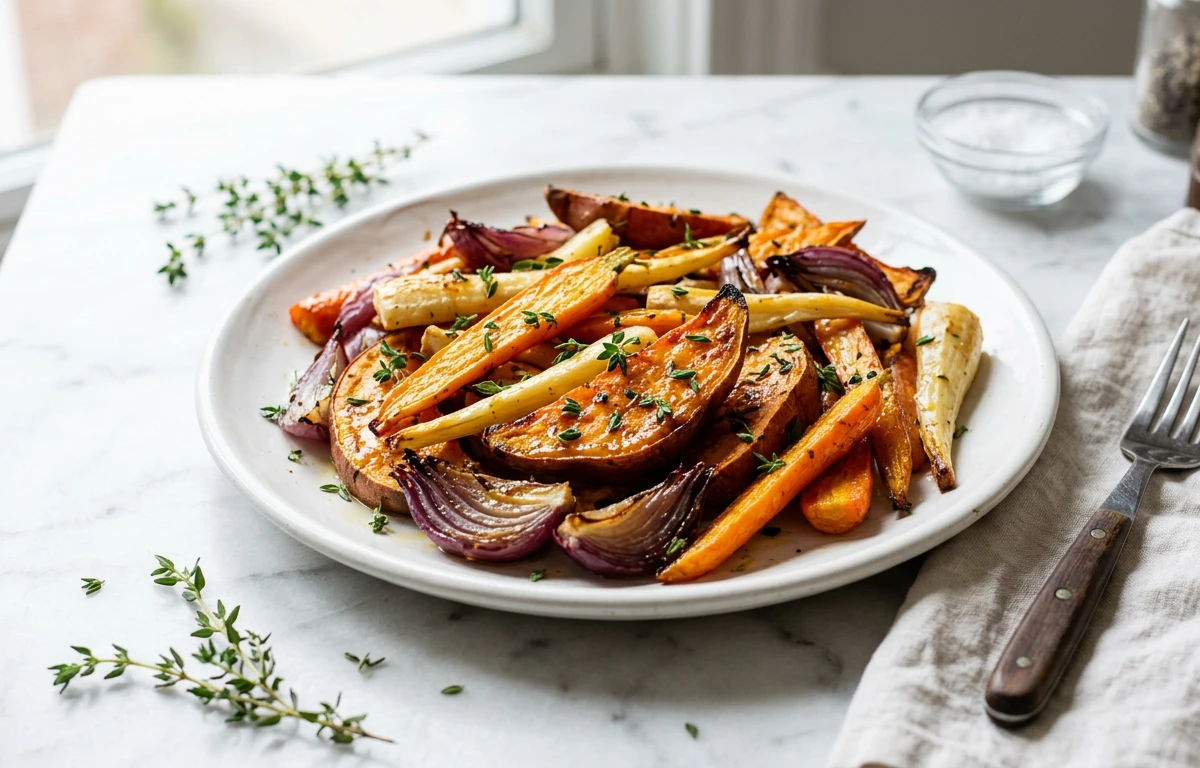
Thyme pairs exceptionally well with lemon, garlic, rosemary, potatoes, poultry, and roasted vegetables.
Is fresh thyme high in calories?
No, fresh thyme is very low in calories, providing only about 35 calories per 100 grams, and much less in typical garnish amounts.
Do I need to wash fresh thyme?
Yes, always rinse fresh thyme under cold water and pat dry to remove any dirt or grit before using.
What can I use as a substitute if I don't have thyme?
Fresh oregano, savory, or marjoram are the best substitutes for fresh thyme in most recipes.
RECIPES
Cook with fresh thyme.
10 recipes · sorted by what’s quick