Loading...
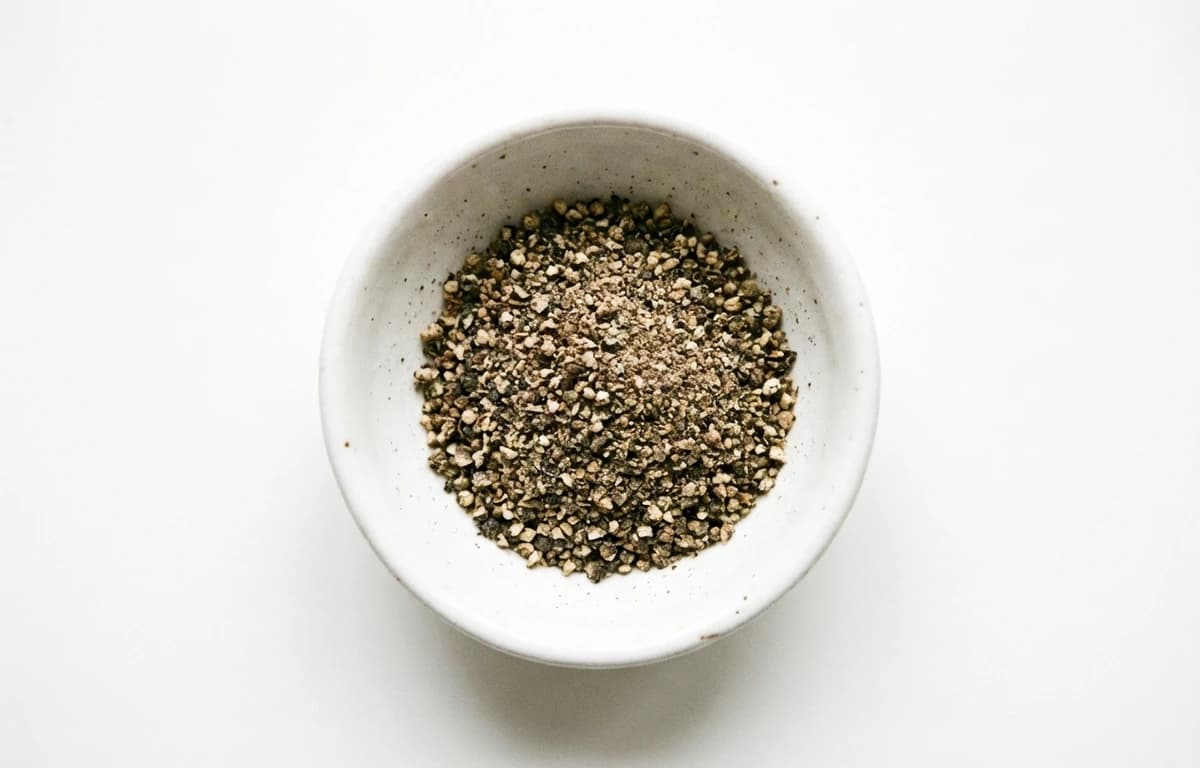
Also known as: freshly cracked black pepper, kali mirch powder, ground peppercorns, poudre de poivre noir, pimienta negra molida, nalla miriyalu podi, karumilagu thool
Per 100g
Nutrition data source: USDA FoodData Central
Common measurement equivalents in grams

A comforting and aromatic South Indian soup, where freshly ground black pepper takes center stage. This tangy and spicy rasam is wonderfully soothing, especially on a chilly day or when you're feeling under the weather.
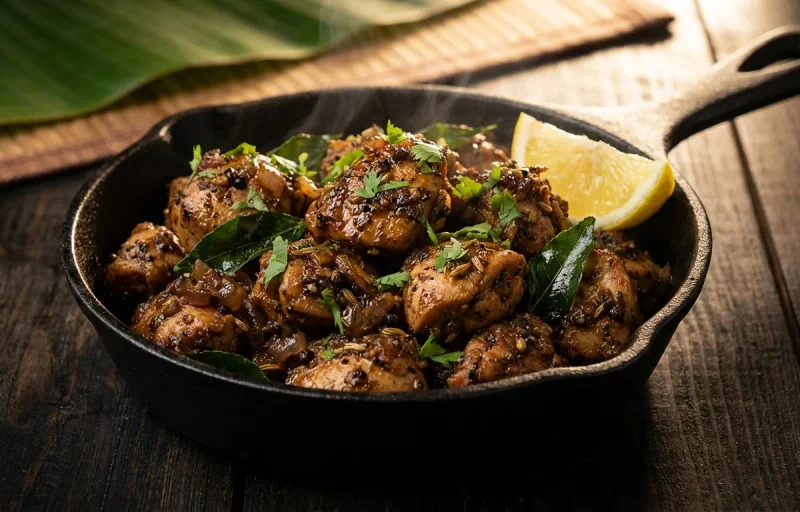
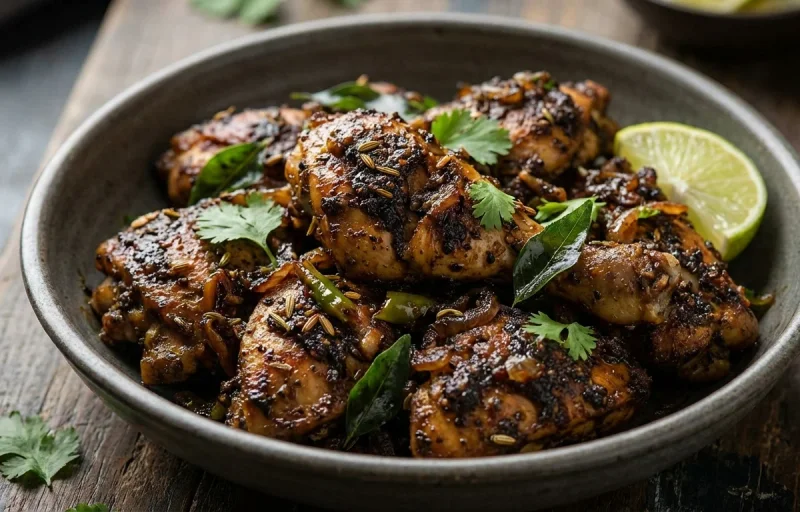
Tender chicken pieces stir-fried with a bold and aromatic blend of freshly ground black pepper and South Indian spices. This fiery and flavorful dish is a classic appetizer or side that comes together quickly.
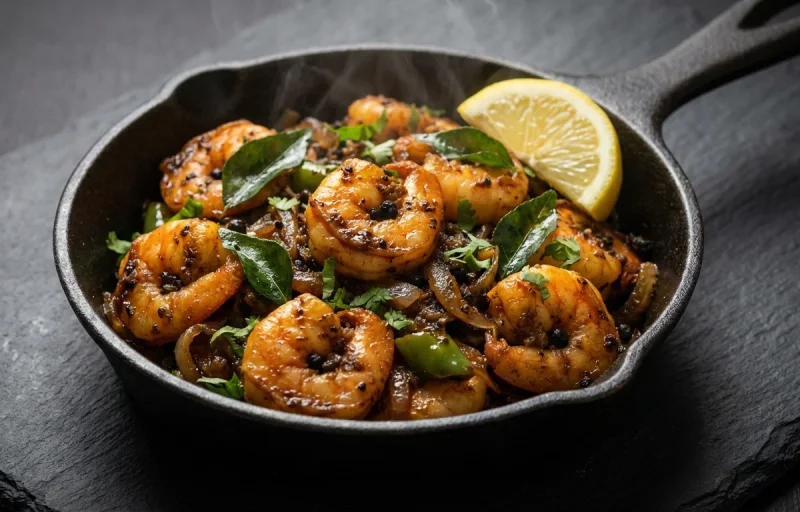
Succulent prawns tossed in a fiery, aromatic blend of freshly ground black pepper and fennel seeds. This quick South Indian stir-fry is a seafood lover's dream, ready in under 30 minutes and perfect as an appetizer or a side dish with rice.
While it doesn't spoil, ground pepper loses its potency and aroma quickly, usually within 3-6 months. Whole peppercorns last for years.
It is not recommended as the moisture in the freezer can degrade the essential oils and flavor.
White pepper is the closest substitute, though it is milder. Green peppercorns or a pinch of cayenne can also work depending on the dish.
Once ground, the piperine and essential oils are exposed to air and begin to oxidize, causing the pepper to lose its heat and complex flavor.
Yes, it is rich in a plant compound called piperine, which has potent antioxidant and anti-inflammatory properties.
Look for peppercorns that are heavy, uniform in size, and dark in color. Avoid those that look dusty or grey.
Pure black pepper is naturally gluten-free. However, always check labels on pre-ground mixes for potential cross-contamination.
Coarse grinds provide bursts of heat and texture, ideal for steaks. Fine grinds distribute flavor evenly, ideal for soups and light sauces.
freshly ground black pepper is a versatile ingredient found in cuisines around the world. With 326.7 calories per 100g and 10.39 grams of protein, it's a nutritious addition to many dishes.
Explore more ingredients in the spice category with complete nutrition information.
View all spice →Discover 6 recipes featuring freshly ground black pepper with step-by-step instructions.
Browse recipes →Explore more ingredients similar to freshly ground black pepper.
The most-searched ingredients on CraftMyMeals.