Other4 recipes
furikake.
VegetarianVeganGluten-freeDairy-freeNut-freePeanut-freeSoy-freeEgg-freeShellfish-freeHoney-freeAlcohol-freeFermented
ALSO KNOWN AS
rice seasoningJapanese rice seasoning
SERVING
CALORIES
420
PROTEIN
18.5g
CARBS
34.2g
FAT
23.8g
FIBER
7.2g
Per 100 g, it provides 42 µg of vitamin K.
NUTRITION PROFILE · per 100 g
Everything in this ingredient.
MACRONUTRIENTS
Calories420kcal—
Protein18.5g37%
Carbohydrates34.2g12%
Fiber7.2g26%
Sugar16.5g33%
Total fat23.8g31%
Saturated fat3.6g18%
Trans fat0g—
Cholesterol12mg4%
Water3.5g—
MINERALS
Sodium5800mg252%
Potassium480mg10%
Calcium620mg48%
Iron6.5mg36%
Magnesium160mg38%
Phosphorus380mg30%
Zinc2.8mg25%
Copper0.70mg78%
Manganese1.4mg61%
Selenium28µg51%
VITAMINS
Vitamin A145µg16%
Vitamin C2.5mg3%
Vitamin D0.60µg3%
Vitamin E1.8mg12%
Vitamin K42µg35%
Thiamin (B1)0.25mg21%
Riboflavin (B2)0.35mg27%
Niacin (B3)3.8mg24%
Pantothenic acid (B5)0.45mg9%
Vitamin B60.22mg13%
Folate (B9)65µg16%
Vitamin B122.8µg117%
%DV based on a 2,000 cal diet. Source: USDA FoodData Central. A dash in the %DV column means there’s no established Daily Value for that nutrient.
MEASUREMENT CONVERSIONS
How much is what.
1 cup96g
1 tablespoon6g
1 teaspoon2g
1 ml0.4g
1 liter400g
HEALTH BENEFITS
Why eat it.
- ✓Rich in iodine from seaweed, which is crucial for thyroid health.
- ✓Provides minerals like calcium, magnesium, and zinc from sesame seeds.
- ✓Contains Omega-3 fatty acids from fish flakes (like bonito), supporting heart and brain function.
- ✓Adds significant umami flavor to dishes, potentially reducing the need for added salt or high-fat sauces.
COOKING TIPS
In the kitchen.
- 1Sprinkle generously over steamed rice, onigiri (rice balls), or congee for a classic Japanese application.
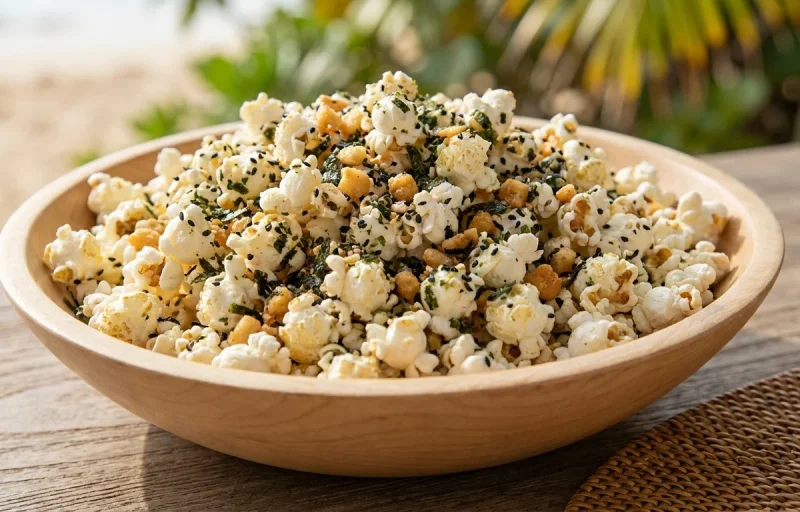
- 2Use as a versatile topping for noodles, salads, popcorn, avocado toast, or roasted vegetables to add umami, saltiness, and texture.
- 3Mix into scrambled eggs or omelets before cooking for an integrated savory flavor.
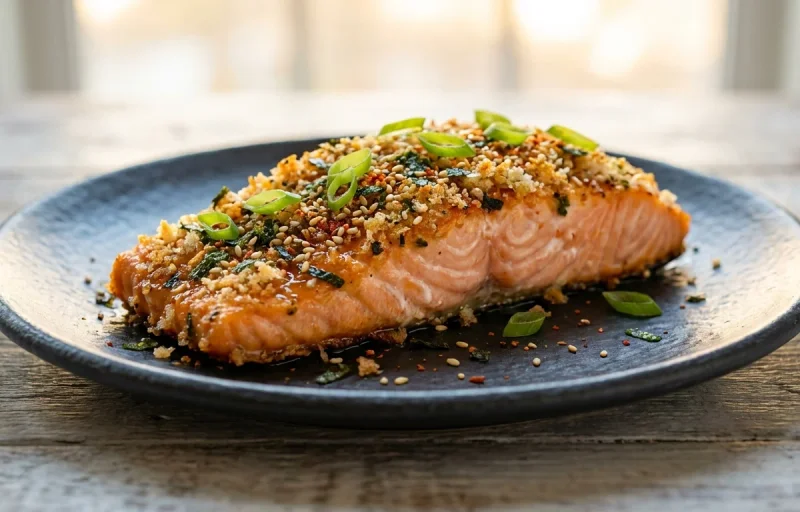
- 4Apply as a crust on fish fillets, chicken, or tofu before baking or pan-searing for a crunchy, flavorful exterior.
STORAGE
Keep it fresh.
- Store in a cool, dry, and dark place, away from humidity and direct sunlight, to prevent clumping and flavor degradation.
- Keep the container tightly sealed after opening and consume within 2-3 months for optimal freshness and crispness.
FAQ
Frequently asked questions.
Is furikake healthy?
Furikake offers several health benefits, primarily from its ingredients like seaweed and sesame seeds. It's rich in iodine, crucial for thyroid health, and provides minerals such as calcium, magnesium, and zinc. Some varieties also contain Omega-3 fatty acids from fish flakes, supporting heart and brain function.
What are the main nutritional components of furikake?
Per 100g, furikake contains approximately 420 calories, 18.5g of protein, 34.2g of carbohydrates, and 23.8g of fat. While it provides beneficial nutrients, it is calorie-dense due to its oil and seed content, so portion control is important.
Is furikake vegan?
Most traditional furikake varieties are not vegan, as they often contain dried fish flakes (like bonito) and sometimes other animal-derived ingredients. However, there are specific vegan furikake options available that use only plant-based ingredients like seaweed, sesame seeds, and vegetables; always check the label.
Is furikake gluten-free?
Many furikake blends contain soy sauce, which typically includes wheat, making them not gluten-free. If you require a gluten-free diet, look for brands specifically labeled as gluten-free, as they will use tamari or other wheat-free soy sauce alternatives.
Is furikake high in sodium?
Yes, furikake is generally high in sodium, as salt is a key ingredient for flavor and preservation. While it adds significant umami, it's important to be mindful of portion sizes to manage sodium intake, especially if you have dietary restrictions related to blood pressure.
How is furikake typically used?
Furikake is most commonly sprinkled over plain white rice, adding flavor and texture. It's also excellent on eggs (scrambled, fried, or omelets), salads, roasted vegetables, popcorn, or even as a seasoning for grilled fish or chicken. It's a versatile topping to enhance savory dishes.
What does furikake taste like?
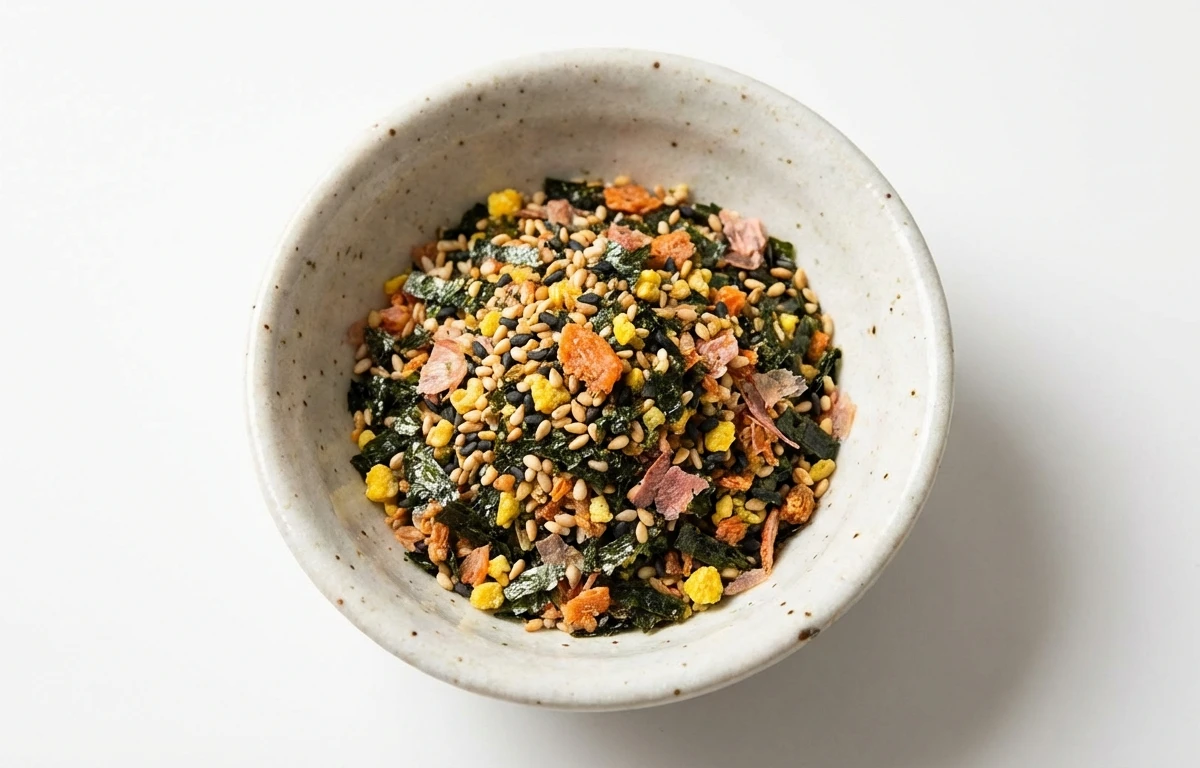
Furikake offers a complex flavor profile that is primarily savory and umami, with hints of saltiness, nuttiness from sesame seeds, and a subtle sweetness. Depending on the variety, you might also detect a slight oceanic taste from seaweed and fish flakes, or a spicy kick.
Does furikake contain common allergens?
Yes, furikake commonly contains several allergens. The most frequent ones include fish (from bonito flakes), sesame seeds, and soy (from soy sauce). Some varieties may also contain wheat. Always check the ingredient list carefully if you have allergies.
RECIPES
Cook with furikake.
4 recipes · sorted by what’s quick