Other
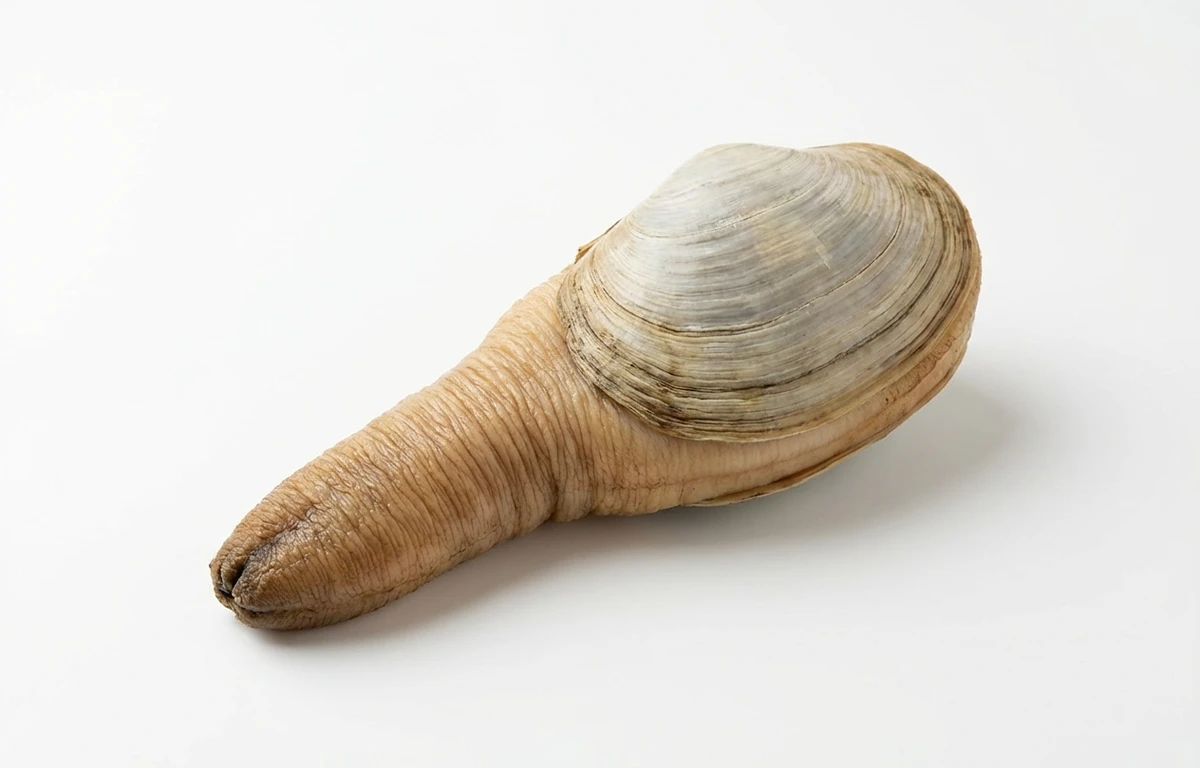
geoduck.
VegetarianVeganGluten-freeDairy-freeNut-freePeanut-freeSoy-freeEgg-freeShellfish-freeHoney-freeAlcohol-freeKosher
ALSO KNOWN AS
king clamelephant trunk clam
SERVING
CALORIES
81
PROTEIN
14.6g
CARBS
2.8g
FAT
1.1g
FIBER
0g
This ingredient is flagged as naturally gluten-free. Per 100 g, it provides 1.9 µg of vitamin K.
NUTRITION PROFILE · per 100 g
Everything in this ingredient.
MACRONUTRIENTS
Calories81kcal—
Protein14.6g29%
Carbohydrates2.8g1%
Fiber0g0%
Sugar0g0%
Total fat1.1g1%
Saturated fat0.20g1%
Cholesterol30mg10%
MINERALS
Sodium100mg4%
Potassium200mg4%
Calcium10mg1%
Iron1.8mg10%
Magnesium25mg6%
Phosphorus115mg9%
Zinc1.1mg10%
Copper0.10mg11%
Manganese0.40mg17%
Selenium2.5µg5%
VITAMINS
Vitamin A3.0µg0%
Vitamin C0mg0%
Vitamin D0µg0%
Vitamin E0.10mg1%
Vitamin K1.9µg2%
Thiamin (B1)0.10mg8%
Riboflavin (B2)0.10mg8%
Niacin (B3)1.6mg10%
Pantothenic acid (B5)0.60mg12%
Vitamin B60.20mg12%
Folate (B9)20µg5%
Vitamin B120µg0%
%DV based on a 2,000 cal diet. Source: USDA FoodData Central. A dash in the %DV column means there’s no established Daily Value for that nutrient.
MEASUREMENT CONVERSIONS
How much is what.
1 oz28.4g
1 lb453.6g
1 piece700g
HEALTH BENEFITS
Why eat it.
- ✓Excellent source of lean protein, crucial for muscle building and repair.
- ✓Provides significant amounts of omega-3 fatty acids, supporting heart and brain health.
COOKING TIPS
In the kitchen.
- 1To prepare, quickly blanch the whole geoduck in boiling water for 15-30 seconds. This makes it easy to remove the shell and peel the tough skin off the siphon.
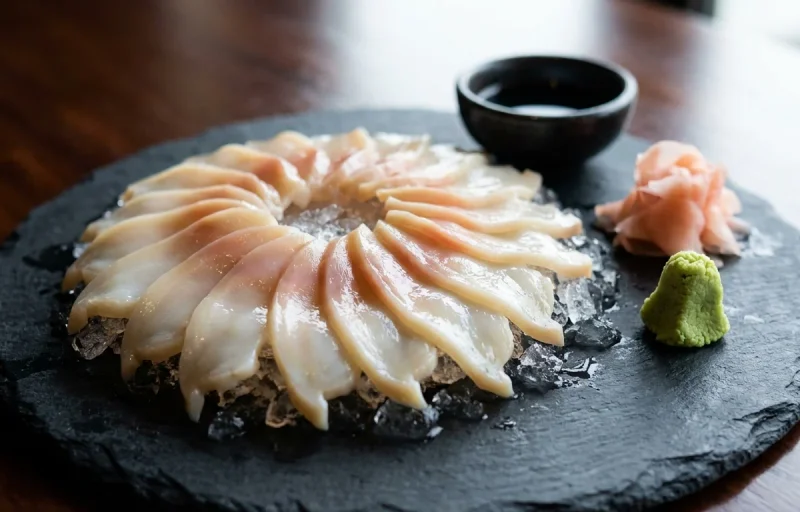
- 2Slice the siphon (neck) meat paper-thin and serve it raw as sashimi or crudo, or cook it very briefly in a hot pot or stir-fry to preserve its signature crunchy texture.
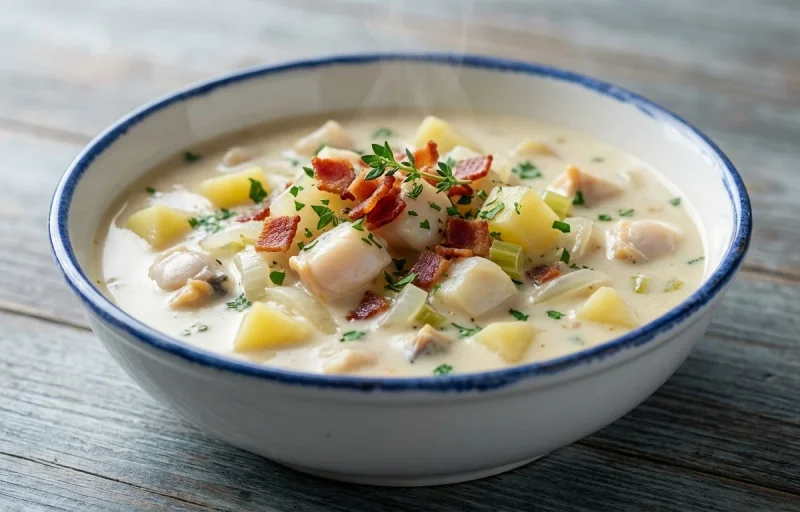
- 3The tender body meat inside the shell is ideal for mincing and using in chowders, fritters, or sautés.
- 4Avoid overcooking the siphon meat at all costs, as it will quickly become tough and rubbery.
STORAGE
Keep it fresh.
- Store live geoducks in the refrigerator, covered with a damp cloth, for up to 3 days. Do not submerge them in fresh water.
- Once cleaned and sliced, store the meat in an airtight container in the refrigerator and consume within 24-48 hours for best quality.
FAQ
Frequently asked questions.
Is geoduck healthy?
Yes, geoduck is a very healthy seafood choice. It's an excellent source of lean protein, crucial for muscle building and repair, and is low in calories and fat. It also provides essential minerals like iron, zinc, and selenium, along with beneficial omega-3 fatty acids.
What is the nutritional content of geoduck?
Per 100g, geoduck contains approximately 81 calories, 14.6g of protein, 2.8g of carbohydrates, and 1.1g of fat. It's a lean protein source with minimal fat and a good profile of essential minerals and vitamins, including iron, zinc, and selenium.
Is geoduck gluten-free?
Yes, geoduck is naturally gluten-free. As a pure seafood product, it does not contain any wheat, barley, or rye, making it suitable for individuals following a gluten-free diet.
Is geoduck keto-friendly?
Yes, geoduck is very keto-friendly. With only 2.8g of carbohydrates and 1.1g of fat per 100g, alongside its high protein content, it fits well into a ketogenic diet, providing essential nutrients without excess carbs.
How do you prepare and cook geoduck?
Geoduck is typically blanched briefly to remove the outer skin from its siphon, then sliced thinly. It can be enjoyed raw as sashimi or quickly stir-fried, sautéed, or added to soups. Overcooking should be avoided to maintain its tender-crisp texture.
What does geoduck taste like?
Geoduck has a distinctively sweet, subtly briny, and fresh ocean flavor. Its texture is unique, often described as firm yet tender and slightly crunchy or crisp, especially when eaten raw or lightly cooked.
Can geoduck be eaten raw?
Yes, geoduck is commonly eaten raw, particularly in Japanese cuisine as sashimi or sushi. When consumed raw, it's crucial to ensure the geoduck is extremely fresh and properly cleaned to minimize any health risks.
How do you store fresh geoduck?
Fresh, live geoduck should be stored in the refrigerator, ideally covered with a damp cloth or paper towel, and placed in a bowl to catch any drips. It should not be submerged in fresh water. Consume within 1-2 days for optimal freshness.
How do you know if geoduck is fresh?
A fresh geoduck will typically have a firm, intact siphon that may retract slightly when touched. The shell should be tightly closed or close when handled, and it should have a clean, mild ocean scent, not a strong fishy odor.
RECIPES
Cook with geoduck.
0 recipes · sorted by what’s quick