Other1 recipes
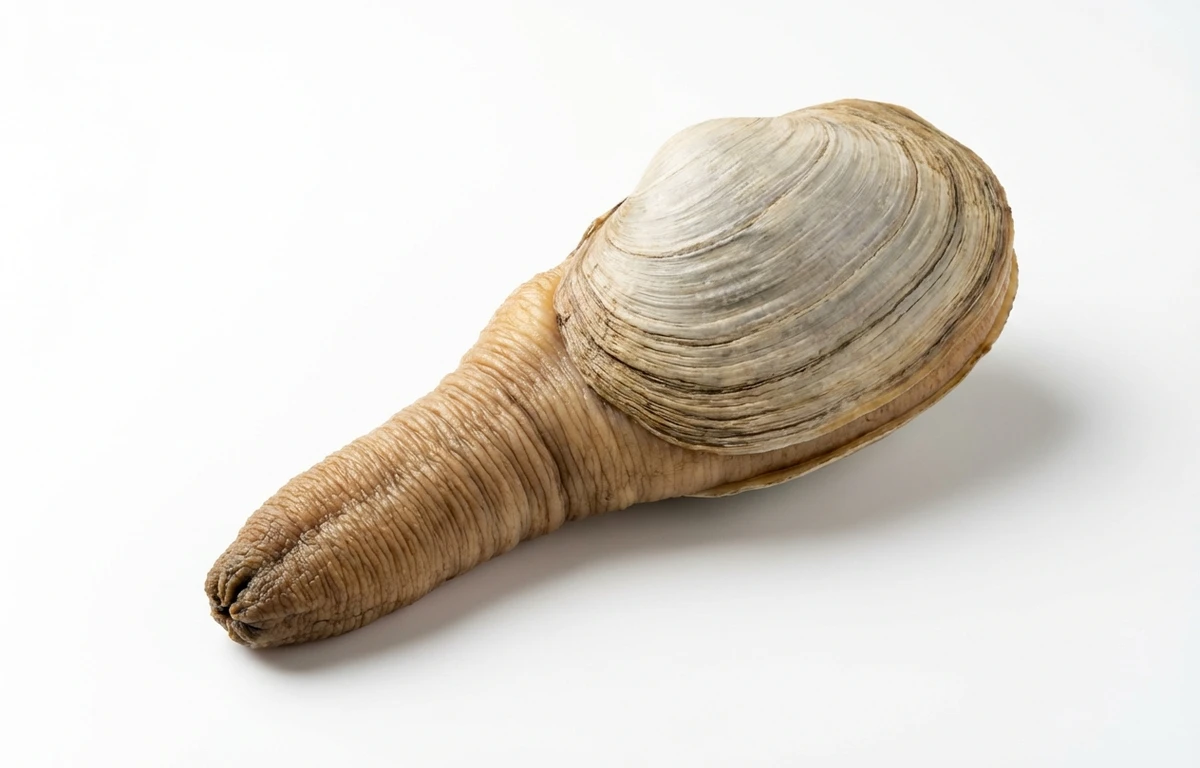
geoduck clam.
VegetarianVeganGluten-freeDairy-freeNut-freePeanut-freeSoy-freeEgg-freeShellfish-freeHoney-freeAlcohol-freeKosher
ALSO KNOWN AS
king clamelephant trunk clammirugai
SERVING
CALORIES
82
PROTEIN
15g
CARBS
2.5g
FAT
0.50g
FIBER
0g
This ingredient is flagged as naturally gluten-free. Per 100 g, it provides 0.10 µg of vitamin K.
NUTRITION PROFILE · per 100 g
Everything in this ingredient.
MACRONUTRIENTS
Calories82kcal—
Protein15g30%
Carbohydrates2.5g1%
Fiber0g0%
Sugar0g0%
Total fat0.50g1%
Saturated fat0.10g1%
Trans fat0g—
Cholesterol35mg12%
Water80g—
MINERALS
Sodium350mg15%
Potassium250mg5%
Calcium40mg3%
Iron1.5mg8%
Magnesium45mg11%
Phosphorus170mg14%
Zinc1.8mg16%
Copper0.10mg11%
Manganese0.05mg2%
Selenium30µg55%
VITAMINS
Vitamin A10µg1%
Vitamin C2.0mg2%
Vitamin D0.10µg1%
Vitamin E0.50mg3%
Vitamin K0.10µg0%
Thiamin (B1)0.05mg4%
Riboflavin (B2)0.10mg8%
Niacin (B3)2.0mg13%
Pantothenic acid (B5)0.30mg6%
Vitamin B60.10mg6%
Folate (B9)10µg3%
Vitamin B1212µg500%
%DV based on a 2,000 cal diet. Source: USDA FoodData Central. A dash in the %DV column means there’s no established Daily Value for that nutrient.
MEASUREMENT CONVERSIONS
How much is what.
1 oz28.4g
1 lb453.6g
1 piece900g
HEALTH BENEFITS
Why eat it.
- ✓Excellent source of high-quality lean protein
- ✓Extremely high in Vitamin B12 for nerve health
- ✓Contains Omega-3 fatty acids for heart health
COOKING TIPS
In the kitchen.
- 1Blanch the siphon in boiling water for 10 seconds then shock in ice to easily peel the skin
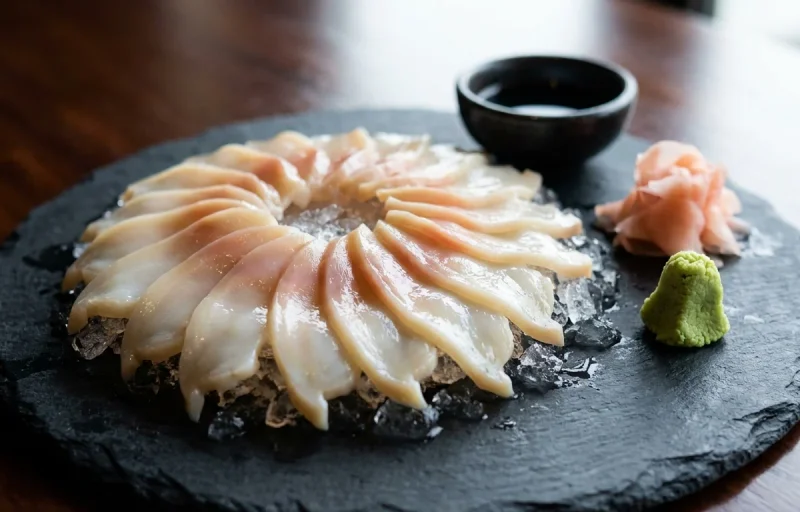
- 2Slice very thinly for sashimi or crudo to highlight its sweet flavor and crunchy texture
- 3Avoid overcooking as the meat becomes tough and rubbery very quickly
STORAGE
Keep it fresh.
- Keep live geoducks in a cool, moist environment wrapped in a damp cloth
- Store in the refrigerator at 32-34°F (0-1°C) and consume within 1-2 days
- If shucked, store in its own juices in a sealed container for up to 2 days
FAQ
Frequently asked questions.
What does geoduck taste like?
Geoduck has a clean, sweet, and briny flavor with a unique crunchy or 'snappy' texture, often compared to a cross between a clam and a sea snail.
How do you clean a geoduck?
Submerge the siphon in boiling water for about 10 seconds, then immediately place it in ice water. This allows you to slide the leathery outer skin right off.
Can you eat geoduck raw?
Yes, geoduck is most prized when served raw as sashimi (Mirugai), particularly the siphon portion which is sliced very thin.
Which parts of the geoduck are edible?
Both the long siphon (neck) and the body meat (belly) inside the shell are edible. The siphon is crunchy while the body meat is softer and earthier.
How long does geoduck stay fresh?
Live geoduck should be prepared within 24 to 48 hours of purchase. Once shucked, it should be eaten within 1-2 days.
What is a good substitute for geoduck?
Razor clams or large sea whelks are the best substitutes for texture, though they lack the exact sweetness of geoduck.
Is geoduck high in cholesterol?
It contains a moderate amount of cholesterol (about 35mg per 100g), which is lower than many other types of shellfish like shrimp.
Can you freeze geoduck?
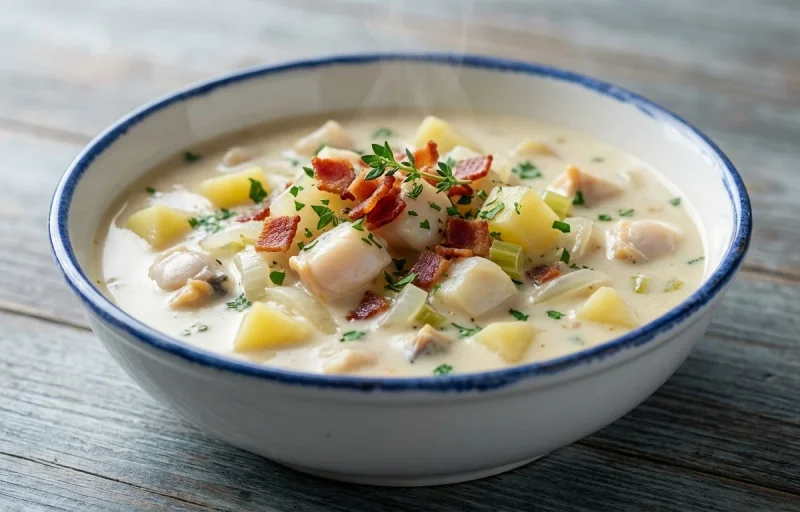
Freezing raw geoduck is not recommended as it ruins the signature crunchy texture. It is best frozen only if it has been processed or cooked into a chowder.
RECIPES
Cook with geoduck clam.
1 recipes · sorted by what’s quick