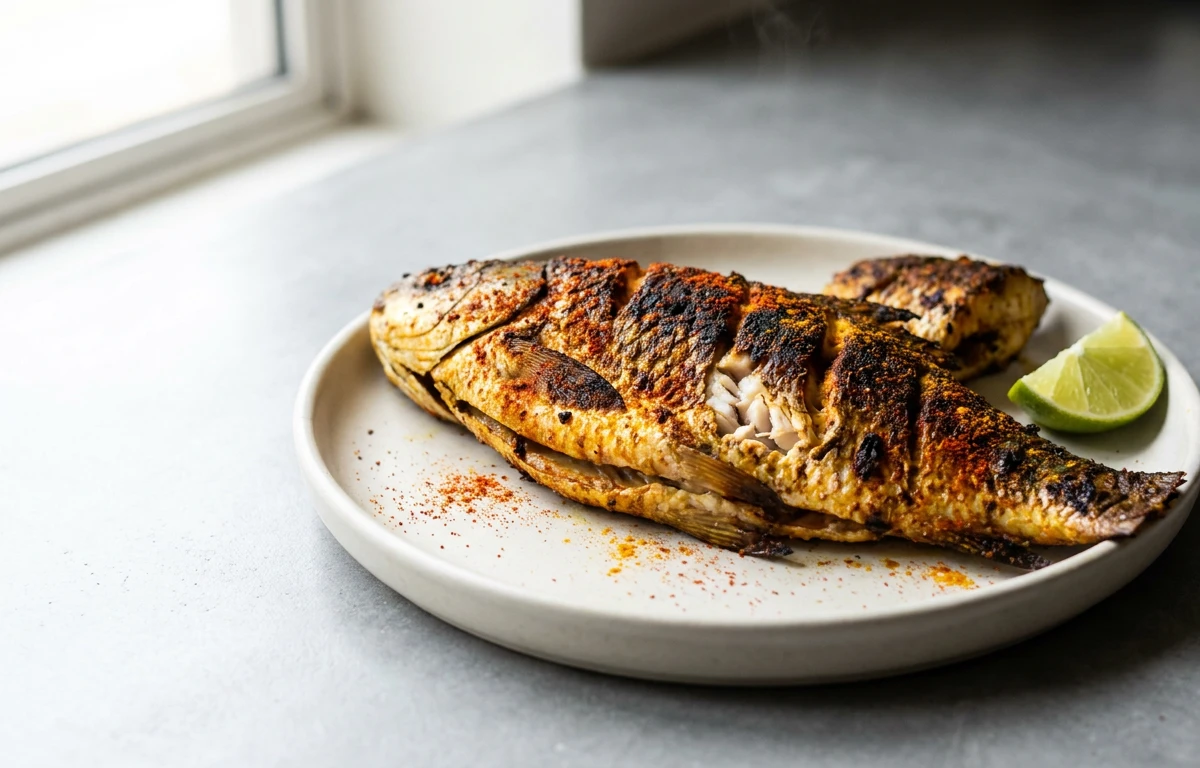
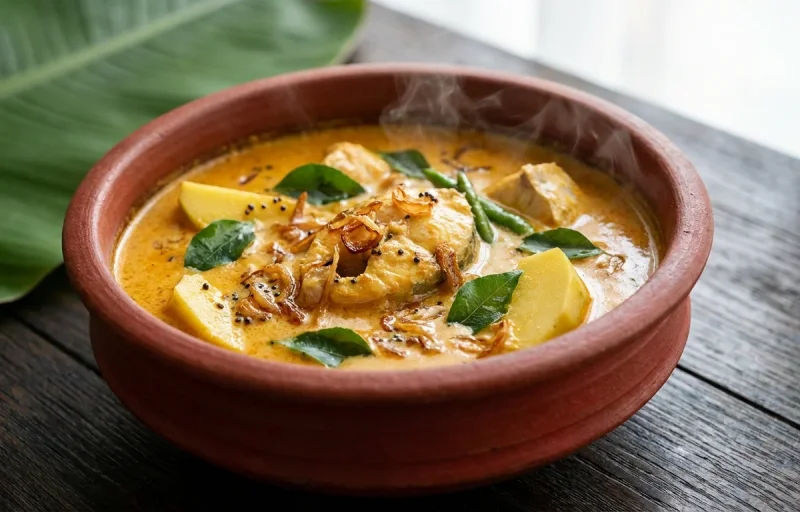
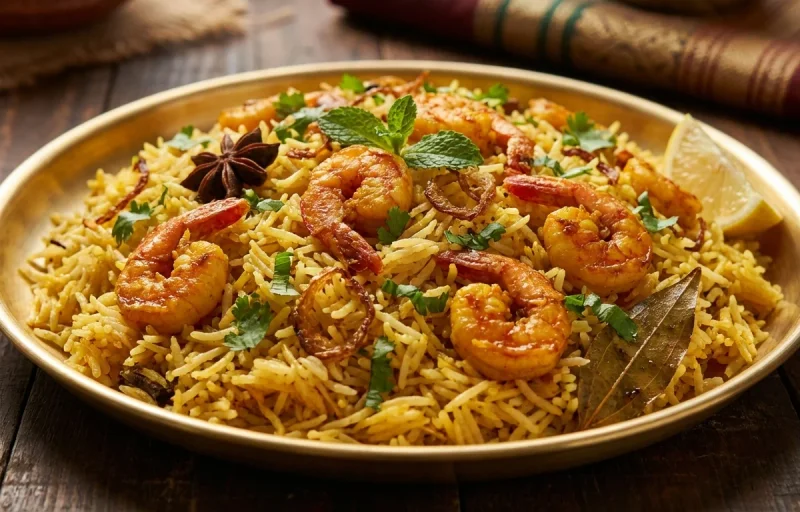
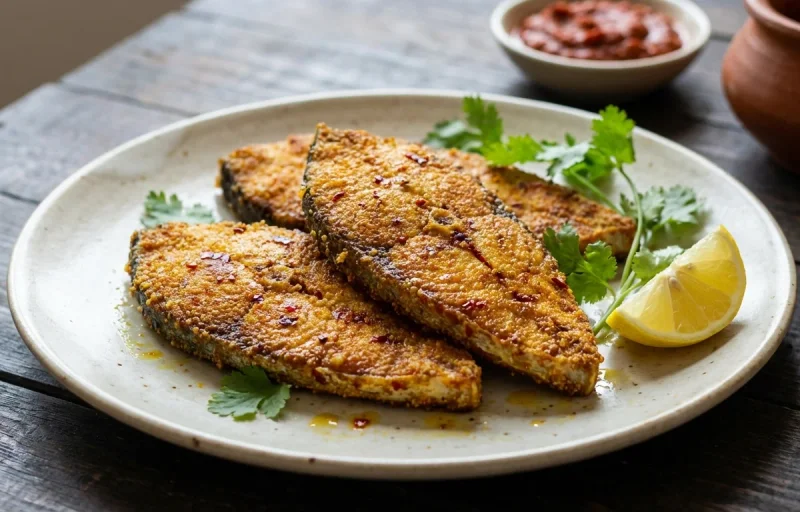
Vegetable10 recipes
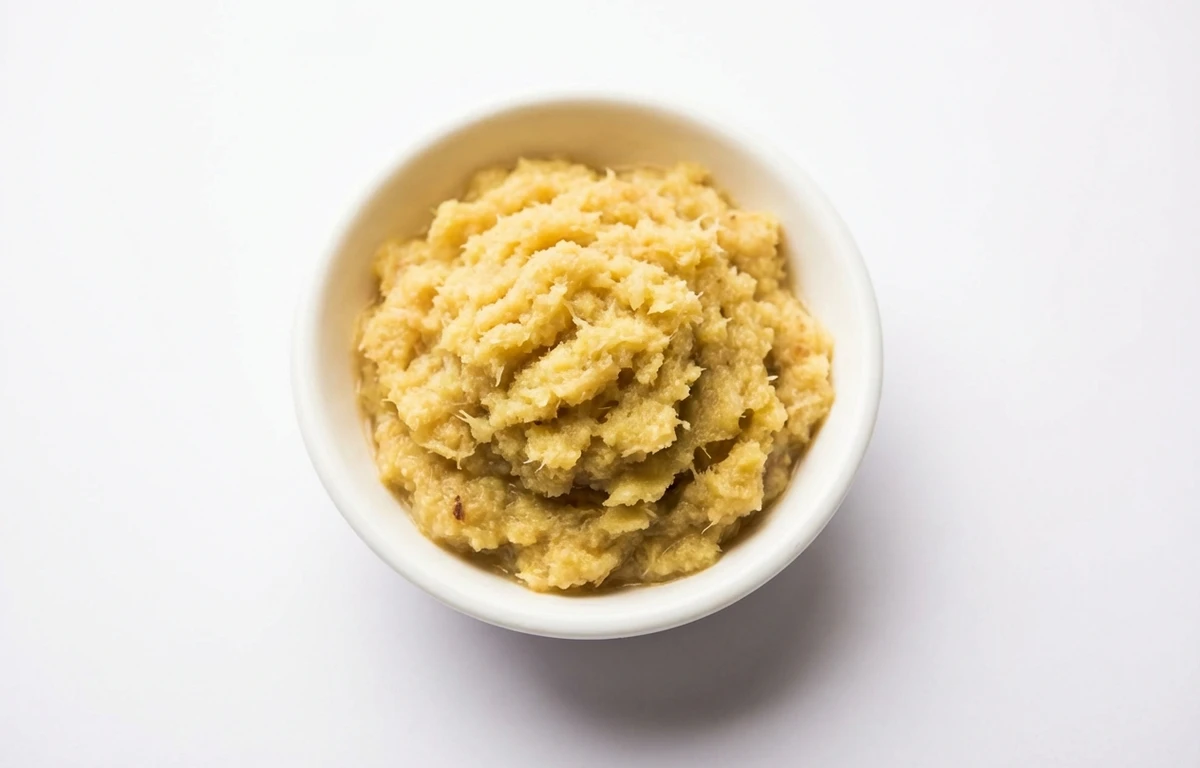
ginger-garlic paste.
VegetarianVeganGluten-freeDairy-freeNut-freePeanut-freeSoy-freeEgg-freeShellfish-freeHoney-freeAlcohol-free
ALSO KNOWN AS
ginger-garlic blendginger garlic mashadrak velulli pasteinchi veluthulli pasteginger garlic pasteadrak lehsun paste
SERVING
CALORIES
95
PROTEIN
3.5g
CARBS
18.5g
FAT
1.2g
FIBER
3.2g
NUTRITION PROFILE · per 100 g
Everything in this ingredient.
MACRONUTRIENTS
Calories95kcal—
Protein3.5g7%
Carbohydrates18.5g7%
Fiber3.2g11%
Sugar1.1g2%
Total fat1.2g2%
Saturated fat0.20g1%
Trans fat0g—
Cholesterol0mg0%
Water72g—
MINERALS
Sodium250mg11%
Potassium350mg7%
Calcium45mg3%
Iron1.6mg9%
Magnesium30mg7%
Phosphorus60mg5%
Zinc0.80mg7%
Copper0.15mg17%
Manganese0.40mg17%
Selenium1.2µg2%
VITAMINS
Vitamin A0µg0%
Vitamin C6.0mg7%
Vitamin D0µg0%
Vitamin E0.10mg1%
Vitamin K1.5µg1%
Thiamin (B1)0.10mg8%
Riboflavin (B2)0.05mg4%
Niacin (B3)0.80mg5%
Pantothenic acid (B5)0.30mg6%
Vitamin B60.60mg35%
Folate (B9)15µg4%
Vitamin B120µg0%
%DV based on a 2,000 cal diet. Source: USDA FoodData Central. A dash in the %DV column means there’s no established Daily Value for that nutrient.
MEASUREMENT CONVERSIONS
How much is what.
1 cup250g
1 tablespoon15g
1 teaspoon5g
1 oz28.4g
1 lb453.6g
1 ml1.1g
1 liter1050g
HEALTH BENEFITS
Why eat it.
- ✓Strong anti-inflammatory properties from gingerol and allicin
- ✓Aids in digestion and reduces gastrointestinal distress
- ✓Boosts immune system function and helps fight infections
- ✓May help lower blood pressure and improve heart health
- ✓Contains antioxidants that protect against oxidative stress
COOKING TIPS
In the kitchen.
- 1Sauté the paste in oil until the raw pungent smell disappears before adding other ingredients
- 2Add a pinch of salt and a teaspoon of oil when blending to act as natural preservatives
- 3For the best flavor, use a 1:1 ratio of fresh ginger to garlic when making it at home
STORAGE
Keep it fresh.
- Store in an airtight glass jar in the refrigerator for up to 3 weeks
- Always use a clean, dry spoon to prevent bacterial growth and spoilage
- Freeze in ice cube trays for long-term storage up to 6 months
FAQ
Frequently asked questions.
How long does homemade ginger-garlic paste last?
When stored in an airtight container in the refrigerator, it typically lasts for 2 to 3 weeks. Adding a bit of salt or oil during blending can extend this.
Can I freeze ginger-garlic paste?
Yes, it freezes very well. Portion it into ice cube trays, freeze until solid, and then transfer the cubes to a freezer bag for up to 6 months.
What is the best ratio for ginger-garlic paste?
The most common ratio is 1:1 (equal parts by weight). However, some prefer a 60:40 ratio favoring garlic for a more savory profile.
How do I know if the paste has gone bad?
Discard the paste if it changes color significantly (turns brown or green), develops mold, or has an off-putting, sour smell.
What can I use as a substitute?
You can use freshly minced ginger and garlic in equal parts, or use 1/2 teaspoon of dried ginger powder and garlic powder for every tablespoon of paste.
Why does my ginger-garlic paste turn green?
This is a natural chemical reaction between the sulfur in garlic and trace minerals in the water or acidity. It is usually safe to eat but can be avoided by using fresh ingredients and a little oil.
Is store-bought paste as good as homemade?
Homemade paste is generally more flavorful and lacks the chemical preservatives (like sodium benzoate) often found in commercial versions.
When should I add the paste during cooking?
It is usually added after sautéing onions but before adding tomatoes or liquids, allowing it to cook for 1-2 minutes until the raw aroma is gone.
RECIPES
Cook with ginger-garlic paste.
10 recipes · sorted by what’s quick