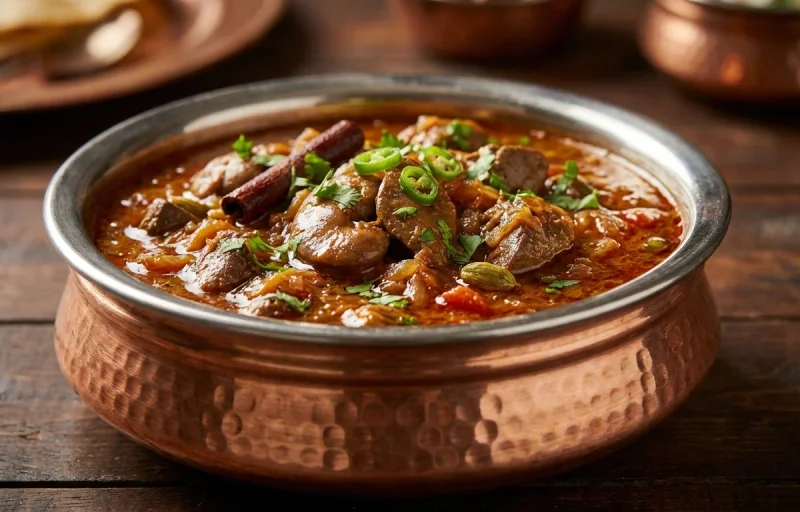
Other5 recipes
goat liver.
VegetarianVeganGluten-freeDairy-freeNut-freePeanut-freeSoy-freeEgg-freeShellfish-freeHoney-freeAlcohol-free
ALSO KNOWN AS
goat's livermutton kaleji
SERVING
CALORIES
126
PROTEIN
20.3g
CARBS
0g
FAT
4.9g
FIBER
0g
This ingredient is flagged as naturally gluten-free. Per 100 g, it provides 12.6 µg of vitamin K.
NUTRITION PROFILE · per 100 g
Everything in this ingredient.
MACRONUTRIENTS
Calories126kcal—
Protein20.3g41%
Carbohydrates0g0%
Fiber0g0%
Sugar0g0%
Total fat4.9g6%
Saturated fat1.8g9%
Trans fat0g—
Cholesterol415mg138%
Water73.4g—
MINERALS
Sodium55.4mg2%
Potassium284mg6%
Calcium6.1mg0%
Iron6.6mg36%
Magnesium18mg4%
Phosphorus336mg27%
Zinc3.5mg32%
Copper3.7mg411%
Manganese0.26mg11%
Selenium48.1µg87%
VITAMINS
Vitamin A15655µg1739%
Vitamin C0mg0%
Vitamin D0.74µg4%
Vitamin E0.61mg4%
Vitamin K12.6µg11%
Thiamin (B1)0.20mg17%
Riboflavin (B2)0.37mg28%
Niacin (B3)12.9mg81%
Pantothenic acid (B5)7.0mg140%
Vitamin B60.65mg38%
Biotin (B7)178µg593%
Folate (B9)0µg0%
Vitamin B1230µg1250%
%DV based on a 2,000 cal diet. Source: USDA FoodData Central. A dash in the %DV column means there’s no established Daily Value for that nutrient.
MEASUREMENT CONVERSIONS
How much is what.
1 cup150g
1 tablespoon9.4g
1 teaspoon3.1g
1 ml0.6g
1 liter625g
HEALTH BENEFITS
Why eat it.
- ✓Packed with B vitamins, especially Vitamin B12 for nerve function and red blood cell formation, and folate (B9) for DNA synthesis.
COOKING TIPS
In the kitchen.
- 1To reduce its strong, gamey flavor, soak the liver in milk or buttermilk for 30-60 minutes before cooking, then pat dry.
- 2Cook quickly over medium-high heat. Pan-frying or sautéing thin slices for 1-2 minutes per side is ideal to prevent it from becoming tough and rubbery.
- 3Pair with bold flavors like caramelized onions, garlic, bacon, or acidic ingredients like lemon juice or balsamic vinegar to complement its richness.
- 4Ensure it's cooked through but still slightly pink in the middle for the best texture and flavor.
STORAGE
Keep it fresh.
- Refrigerate fresh goat liver in an airtight container or its original packaging on the bottom shelf at or below 40°F (4°C) and cook within 1-2 days.
- For longer storage, wrap tightly in plastic wrap and then place in a freezer-safe bag, removing as much air as possible. Freeze at 0°F (-18°C) for up to 3-4 months.
FAQ
Frequently asked questions.
Is goat liver healthy?
Yes, goat liver is exceptionally healthy, often considered a superfood due to its dense nutrient profile. It's packed with essential vitamins and minerals that support various bodily functions. However, due to its high Vitamin A content, moderation is key, especially for certain populations.
How much protein and calories are in goat liver?
Per 100g, goat liver contains approximately 20.32g of high-quality protein, making it an excellent source for muscle repair and growth. It provides about 125.72 calories, with 4.88g of fat and 0g of carbohydrates, making it a nutrient-dense, low-carb option.
Can pregnant women safely consume goat liver?
Pregnant women should consume goat liver with caution and in very limited quantities, or avoid it altogether. While nutritious, its extremely high Vitamin A content (in the form of retinol) can be harmful in excessive amounts during pregnancy, potentially leading to birth defects. Consult a doctor for personalized advice.
What does goat liver taste like?
Goat liver has a distinct, rich, and slightly gamey flavor, often described as more robust than calf or chicken liver. It has a tender, somewhat creamy texture when cooked properly. The flavor can be mellowed by soaking it in milk or acid before cooking.
How can I tell if goat liver is fresh?
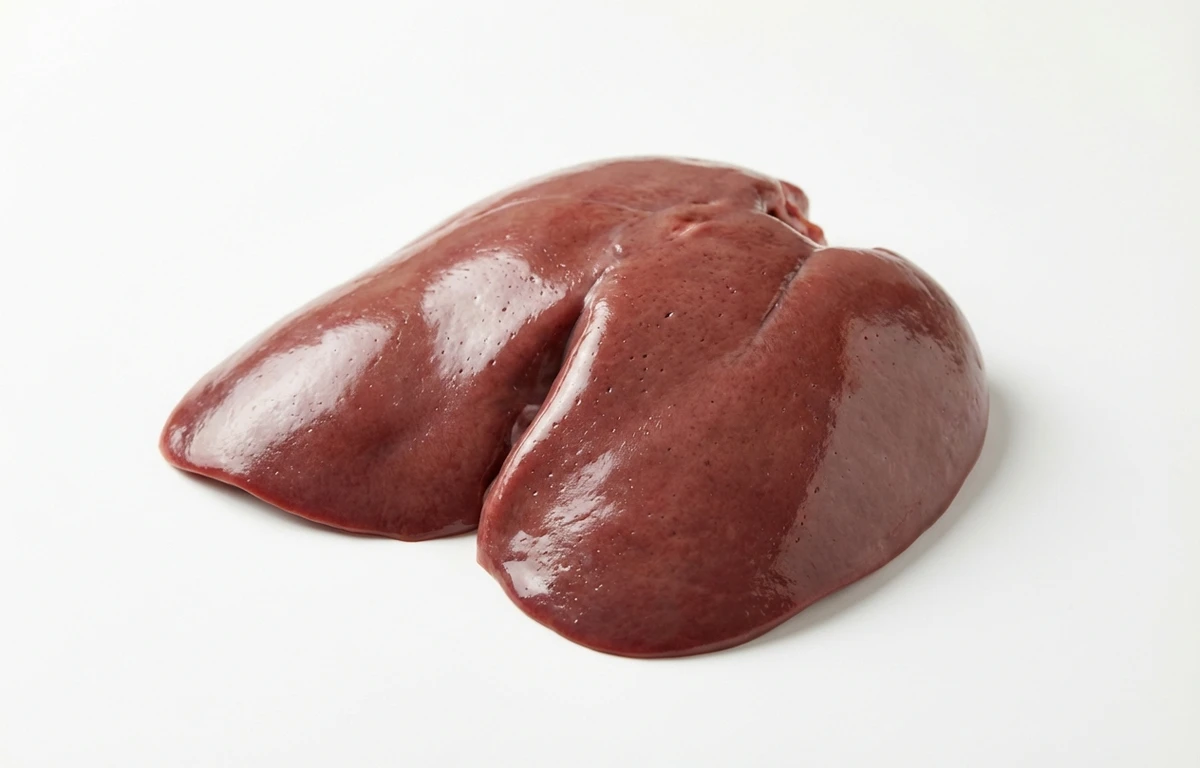
Fresh goat liver should have a smooth, moist, and shiny surface with a deep reddish-brown color. Avoid liver that appears dull, discolored, or has a slimy texture. It should have a mild, slightly metallic smell; a strong, unpleasant odor indicates spoilage.
RECIPES
Cook with goat liver.
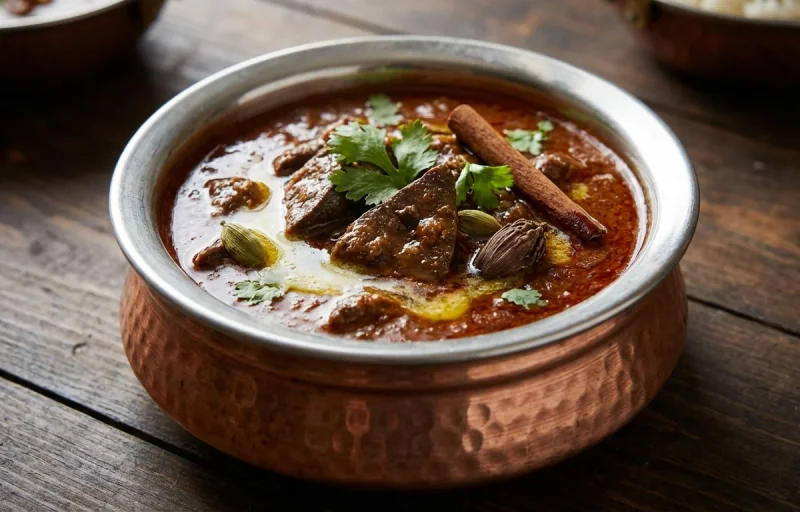
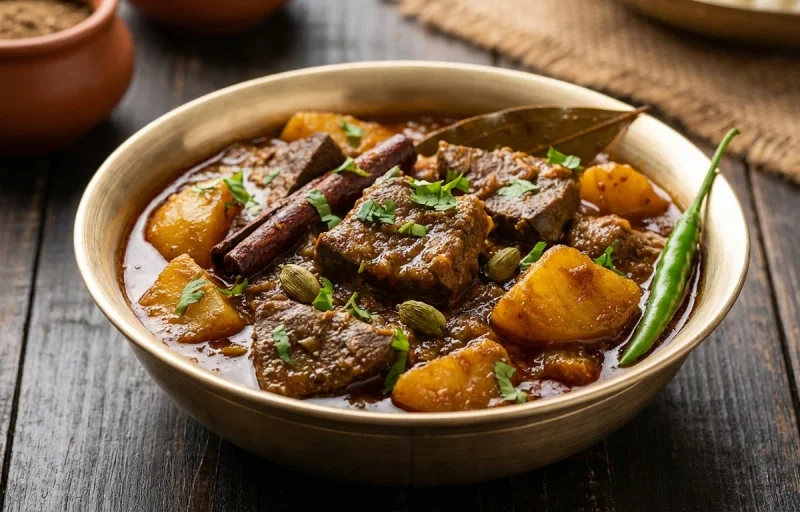
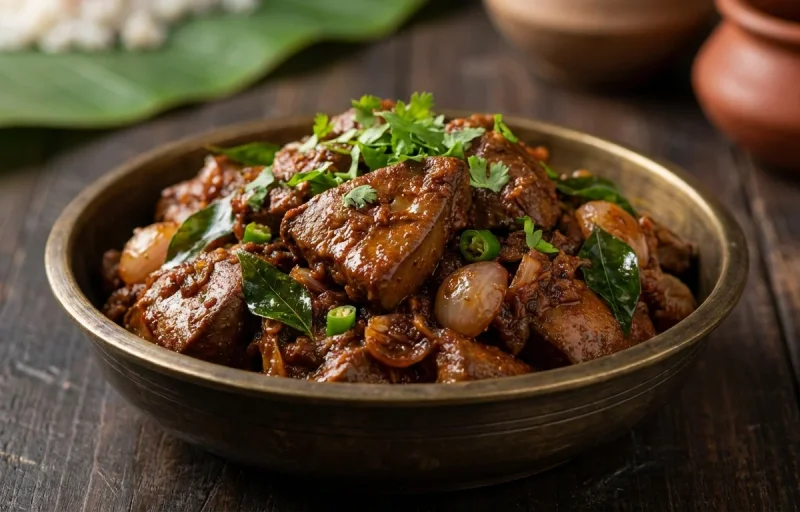
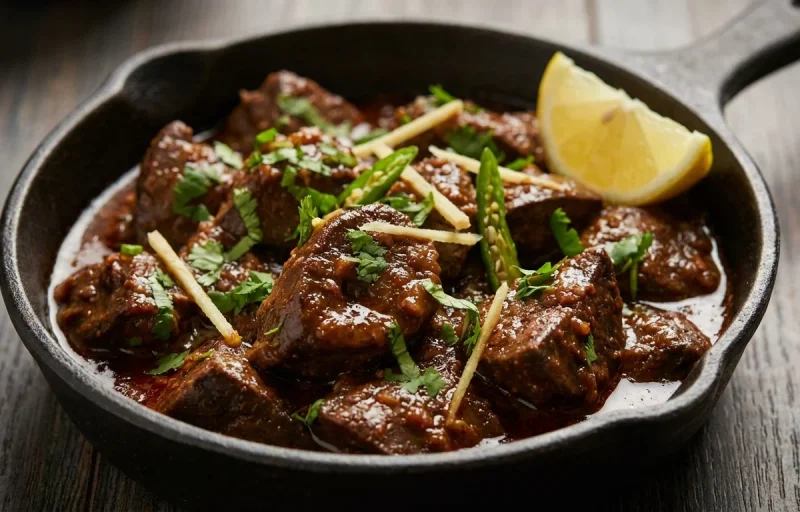
5 recipes · sorted by what’s quick