Other1 recipes
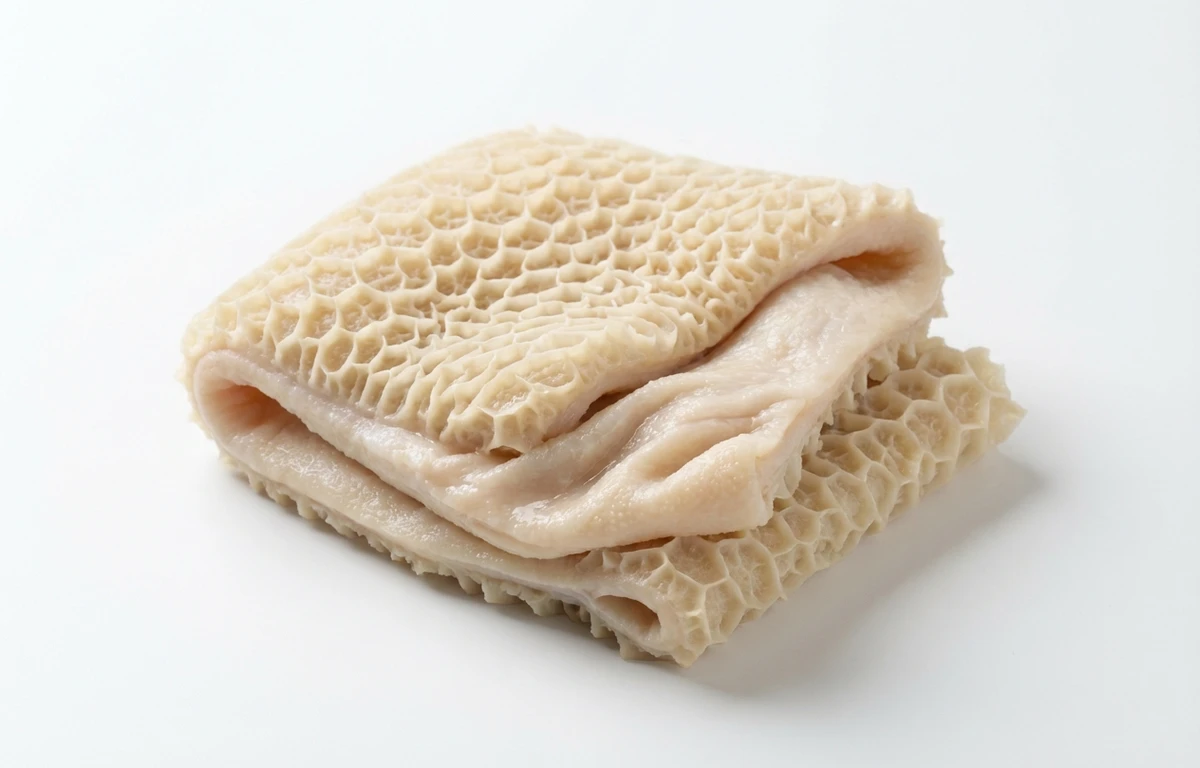
goat tripe.
VegetarianVeganGluten-freeDairy-freeNut-freePeanut-freeSoy-freeEgg-freeShellfish-freeHoney-freeAlcohol-free
SERVING
CALORIES
94
PROTEIN
15.5g
CARBS
0g
FAT
3.5g
FIBER
0g
This ingredient is flagged as naturally gluten-free. Per 100 g, it provides 0 µg of vitamin K.
NUTRITION PROFILE · per 100 g
Everything in this ingredient.
MACRONUTRIENTS
Calories94kcal—
Protein15.5g31%
Carbohydrates0g0%
Fiber0g0%
Sugar0g0%
Total fat3.5g4%
Saturated fat1.2g6%
Trans fat0g—
Cholesterol95mg32%
Water80g—
MINERALS
Sodium65mg3%
Potassium60mg1%
Calcium10mg1%
Iron0.60mg3%
Magnesium12mg3%
Phosphorus65mg5%
Zinc1.4mg13%
Copper0.05mg6%
Manganese0.02mg1%
Selenium12.5µg23%
VITAMINS
Vitamin A0µg0%
Vitamin C0mg0%
Vitamin D0µg0%
Vitamin E0.10mg1%
Vitamin K0µg0%
Thiamin (B1)0.02mg2%
Riboflavin (B2)0.06mg5%
Niacin (B3)0.90mg6%
Pantothenic acid (B5)0.20mg4%
Vitamin B60.01mg1%
Biotin (B7)2.4µg8%
Folate (B9)2.0µg1%
Vitamin B120.60µg25%
%DV based on a 2,000 cal diet. Source: USDA FoodData Central. A dash in the %DV column means there’s no established Daily Value for that nutrient.
MEASUREMENT CONVERSIONS
How much is what.
1 cup140g
1 oz28.4g
1 lb453.6g
1 piece100g
HEALTH BENEFITS
Why eat it.
- ✓High in high-quality protein for muscle maintenance
- ✓Low in calories and carbohydrates
- ✓Good source of Vitamin B12 for nervous system health
COOKING TIPS
In the kitchen.
- 1Scrub thoroughly with coarse salt and rinse multiple times to ensure cleanliness
- 2Parboil in water with vinegar or lemon juice to neutralize the strong natural aroma
- 3Slow cook or use a pressure cooker for 1-2 hours to achieve a tender, edible texture
STORAGE
Keep it fresh.
- Store in the coldest part of the refrigerator for no more than 1-2 days
- Freeze in airtight, moisture-proof bags for up to 3 months
- Keep raw tripe strictly separated from cooked foods to avoid cross-contamination
FAQ
Frequently asked questions.
How long does goat tripe last in the refrigerator?
Fresh goat tripe is highly perishable and should be cooked within 1 to 2 days of purchase.
Can goat tripe be frozen?
Yes, it can be frozen for up to 3 months if wrapped tightly in plastic wrap and placed in a freezer bag.
How do you remove the strong smell from goat tripe?
Soaking the tripe in a mixture of water and vinegar or lemon juice for 30 minutes before parboiling helps significantly reduce the odor.
What is the best way to clean goat tripe?
Scrape off any impurities, scrub the surface with rock salt, and rinse under cold running water until the water runs clear.
How can you tell if goat tripe is fresh?
Fresh tripe should be pale in color, firm to the touch, and should not have an overly pungent or 'off' ammonia-like smell.
What can be used as a substitute for goat tripe?
Beef tripe (honeycomb or flat) is the most common substitute, though it may have a slightly different texture.
Is goat tripe healthy?
Yes, it is a lean source of protein and rich in essential vitamins like B12 and minerals like zinc and selenium.
How long does it take to cook goat tripe until tender?
Depending on the age of the animal, it typically takes 1.5 to 2 hours of simmering or about 30-45 minutes in a pressure cooker.
What are common dishes made with goat tripe?
It is commonly used in spicy stews, traditional curries, and soups across various cultures, including South Asian and Caribbean cuisines.
RECIPES
Cook with goat tripe.
1 recipes · sorted by what’s quick