Loading...
Per 100g
Nutrition data source: USDA FoodData Central
Common measurement equivalents in grams
Fresh goat's blood is highly perishable and should be used within 24 hours of collection for optimal safety and quality.
Yes, it can be frozen for up to 3 months. It is best to freeze it in airtight containers or heavy-duty freezer bags.
Stirring in a small amount of acid (like vinegar or citrus juice) or salt immediately after collection helps keep the blood in a liquid state.
Pig's blood or beef blood are the most common substitutes, as they have similar culinary properties and nutritional profiles.
Yes, it is one of the most concentrated sources of heme iron available, making it very effective for addressing iron deficiency.
Fresh blood should be bright red and have a metallic, clean scent. Avoid blood that is dark brown, has a foul odor, or shows signs of separation.
It is used in blood sausages (black pudding), stews like Filipino Dinuguan, and various South Indian curries like Raktam.
No, consuming raw blood carries a high risk of bacterial contamination and foodborne illness; it should always be cooked thoroughly.
Goat's blood contains negligible amounts of carbohydrates, making it suitable for low-carb or ketogenic diets.
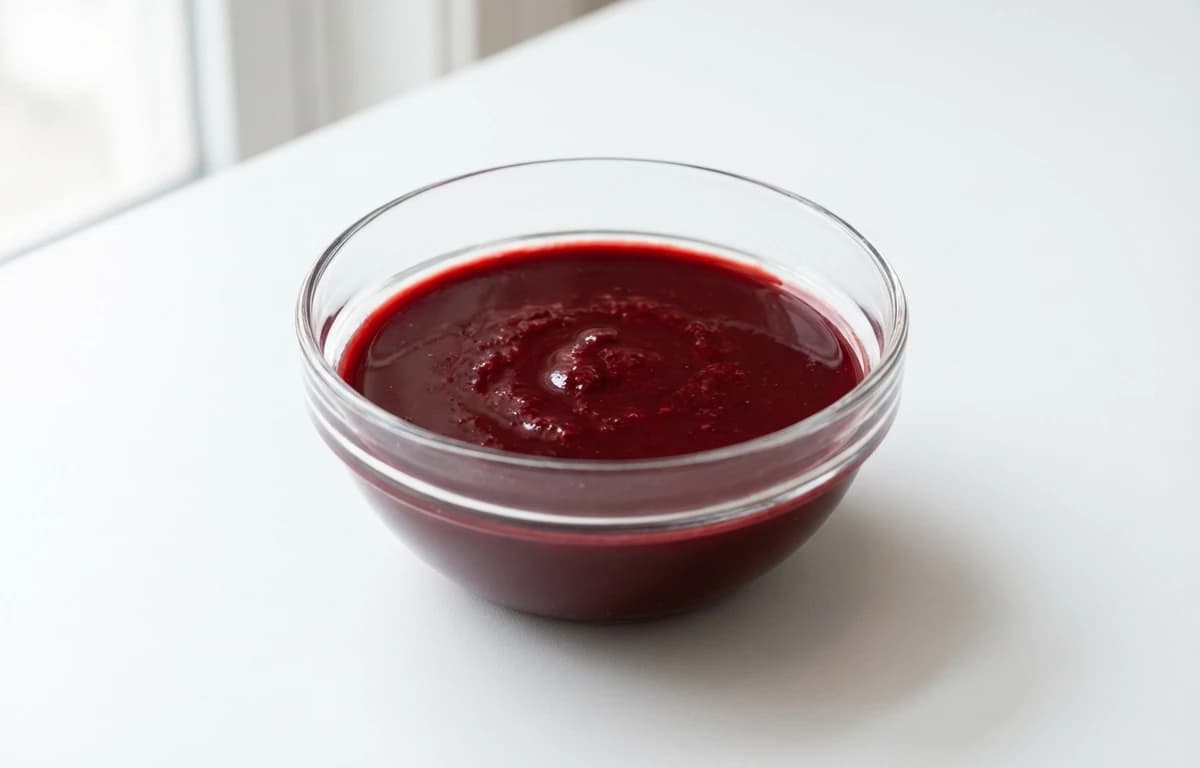
Goat's Blood is a versatile ingredient found in cuisines around the world. With 78 calories per 100g and 17.5 grams of protein, it's a nutritious addition to many dishes.
Explore more ingredients in the animal product category with complete nutrition information.
View all animal product →Discover 1 recipes featuring goat's blood with step-by-step instructions.
Browse recipes →Strain the blood through a fine-mesh sieve to remove any existing clots or impurities before adding it to your recipe.